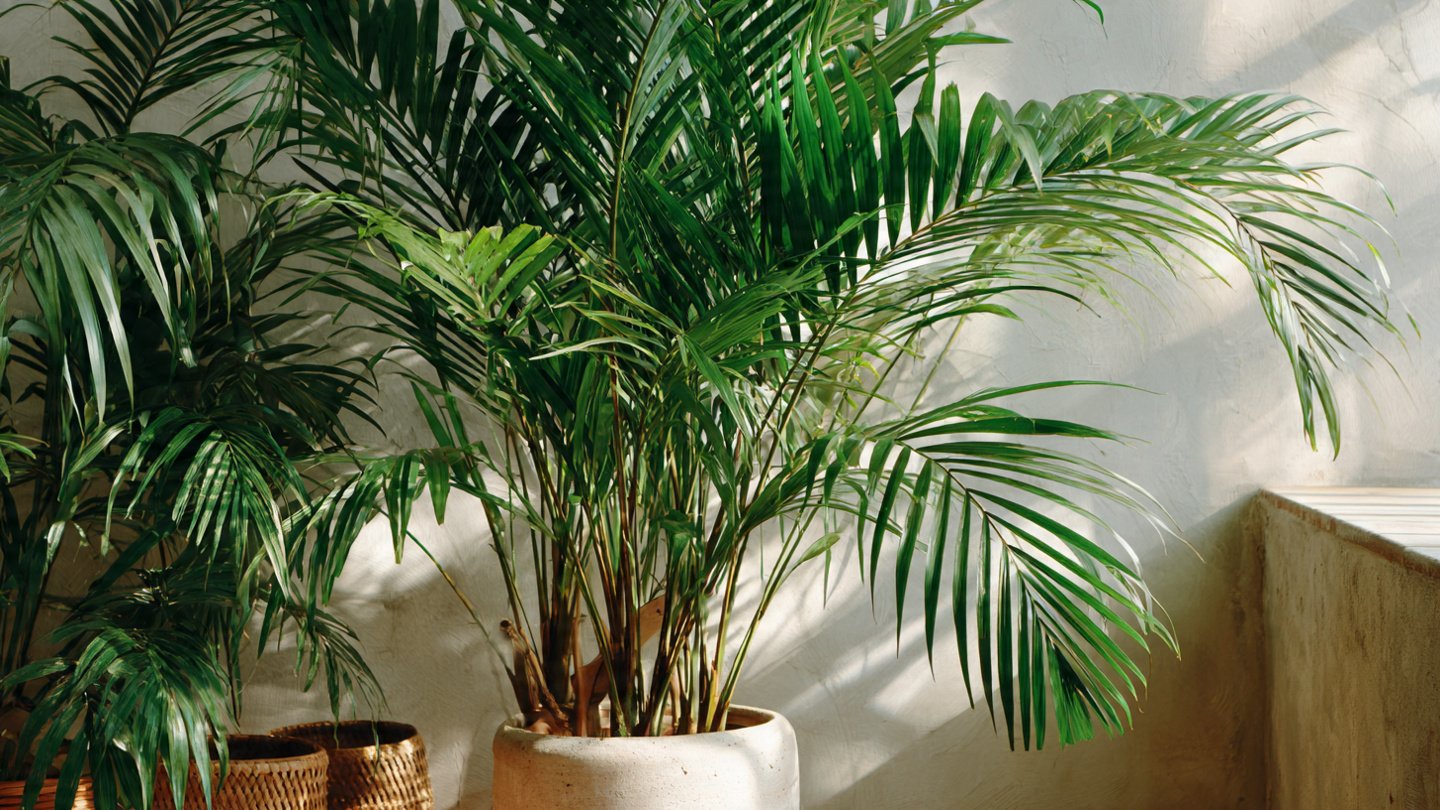
Indoor palm plants are a timeless choice for adding elegance, texture, and a tropical vibe to your home. With their graceful fronds and tall, slender trunks, palms can instantly transform any room into a serene indoor oasis. But while they look effortlessly stylish, many homeowners wonder how to care for them properly to ensure they thrive year-round.
This guide breaks down everything you need to know about choosing, planting, and caring for indoor palms, along with practical tips to keep them healthy and vibrant.
Why Indoor Palms Are Perfect for Homes
Indoor palms are more than just decorative plants. They offer multiple benefits:
- Aesthetic Appeal
The arching fronds and architectural structure of palms create a sense of height, depth, and sophistication in living spaces. - Air Purification
Many palm varieties help filter indoor air, removing pollutants and improving air quality. - Low-Maintenance Elegance
While palms have specific care needs, most indoor varieties are relatively forgiving, making them ideal for busy homeowners. - Versatility
From small tabletop palms to towering floor specimens, there’s a variety to suit any space.
Popular Indoor Palm Varieties
Before diving into care tips, it’s essential to choose the right type of palm for your home. Here are some popular options:
1. Areca Palm (Dypsis lutescens)
- Bright, feathery fronds and clumping growth habit.
- Prefers bright, indirect light.
- Ideal for living rooms or office spaces.
2. Parlor Palm (Chamaedorea elegans)
- Compact, slow-growing, and tolerant of low light.
- Perfect for small apartments or indoor corners.
3. Kentia Palm (Howea forsteriana)
- Elegant, long fronds with a graceful arch.
- Thrives in moderate light and is highly adaptable.
4. Lady Palm (Rhapis excelsa)
- Broad, fan-shaped leaves.
- Great for low-light areas and helps purify the air.
5. Bamboo Palm (Chamaedorea seifrizii)
- Tall, upright stems with lush green foliage.
- Ideal for creating indoor privacy screens.
Step 1: Choosing the Right Pot and Soil
Proper potting is crucial for indoor palms. Here’s what to consider:
- Pot Size: Start with a pot slightly larger than the root ball. Palms prefer snug roots but will need repotting as they grow.
- Drainage: Ensure your pot has drainage holes to prevent waterlogging, which can cause root rot.
- Soil: Use a well-draining, slightly acidic potting mix. Palm-specific potting mixes are available and ideal.
Step 2: Providing Adequate Light
Light is a major factor in palm health:
- Bright, Indirect Light: Most indoor palms prefer filtered sunlight. Direct sunlight can scorch leaves.
- Low-Light Tolerant Varieties: Parlor palms and lady palms can thrive in shaded rooms.
- Rotation: Rotate your palm every few weeks to ensure even growth and prevent leaning toward light.
Step 3: Watering Your Palm
Watering is where many indoor palm owners go wrong. Overwatering or underwatering can cause fronds to yellow or brown.
- Check Soil Moisture: Water when the top 1–2 inches of soil are dry.
- Consistent Schedule: Most palms benefit from moderate watering 1–2 times per week, depending on indoor humidity.
- Drainage is Key: Excess water should flow freely from the pot to prevent root rot.
- Humidity: Palms love humidity. Mist fronds occasionally or use a pebble tray with water to maintain moisture.
Step 4: Fertilizing for Healthy Growth
Indoor palms grow slowly but need nutrients for vibrant fronds:
- Use Palm Fertilizer: A slow-release or liquid fertilizer designed for palms ensures the right balance of nitrogen, potassium, and magnesium.
- Feeding Schedule: Fertilize during the growing season (spring and summer) every 4–6 weeks. Reduce feeding in fall and winter when growth slows.
- Watch for Deficiencies: Yellowing leaves may indicate nutrient deficiencies, especially magnesium or potassium.
Step 5: Pruning and Maintenance
Regular maintenance keeps palms looking their best:
- Remove Dead Fronds: Cut off yellowing or brown fronds near the base using clean, sharp scissors.
- Avoid Over-Pruning: Only remove completely dead or damaged fronds. Healthy fronds are essential for photosynthesis.
- Dust Leaves: Wipe leaves gently with a damp cloth to remove dust and maintain a glossy, vibrant appearance.
Step 6: Repotting Your Palm
Repotting is necessary as palms grow larger:
- Frequency: Most indoor palms need repotting every 2–3 years.
- Signs: Roots growing out of drainage holes or stunted growth indicate it’s time.
- Technique: Gently remove the palm, keep roots intact, and plant in fresh soil slightly larger than the previous pot. Avoid burying the trunk too deep.
Step 7: Dealing with Common Problems
Even with proper care, palms can face challenges:
- Yellowing Fronds
- Causes: Overwatering, underwatering, nutrient deficiency.
- Solution: Adjust watering and fertilize appropriately.
- Brown Leaf Tips
- Causes: Low humidity, excessive fertilizer, or dry air.
- Solution: Increase humidity, reduce fertilizer, and mist leaves.
- Pests
- Common pests include spider mites, mealybugs, and scale.
- Solution: Wipe leaves with insecticidal soap and isolate affected plants.
- Slow Growth
- Causes: Insufficient light or nutrients.
- Solution: Relocate to brighter light and ensure proper feeding.
Step 8: Styling Indoor Palms
- Statement Corners: Use tall palms like Kentia or Areca to anchor a corner of your living room.
- Grouped Display: Cluster smaller palms together for a tropical vibe.
- Layering: Combine palms with other houseplants for layered textures and heights.
- Decorative Pots: Choose pots that complement your interior style, from sleek modern containers to rustic terracotta.
Benefits of Caring for Indoor Palms
- Stress Reduction: Indoor greenery has been shown to reduce stress and improve mental well-being.
- Air Quality: Many palms help purify the air, absorbing pollutants like formaldehyde and benzene.
- Ambiance: Their presence adds a sense of calm, tropical elegance, and natural beauty to any room.
Final Thoughts
Indoor palms are more than just houseplants — they are living statements of elegance, style, and serenity. With the right care, watering, light, and maintenance, these plants can thrive for years, growing taller and more beautiful with time.
By choosing the right variety, understanding its needs, and following these simple, foolproof tips, anyone can create a lush, tropical indoor oasis that elevates home interiors. Whether you prefer the delicate parlor palm or the majestic Areca, your indoor palms will reward you with vibrant foliage, graceful fronds, and the soothing presence of greenery in your living space.