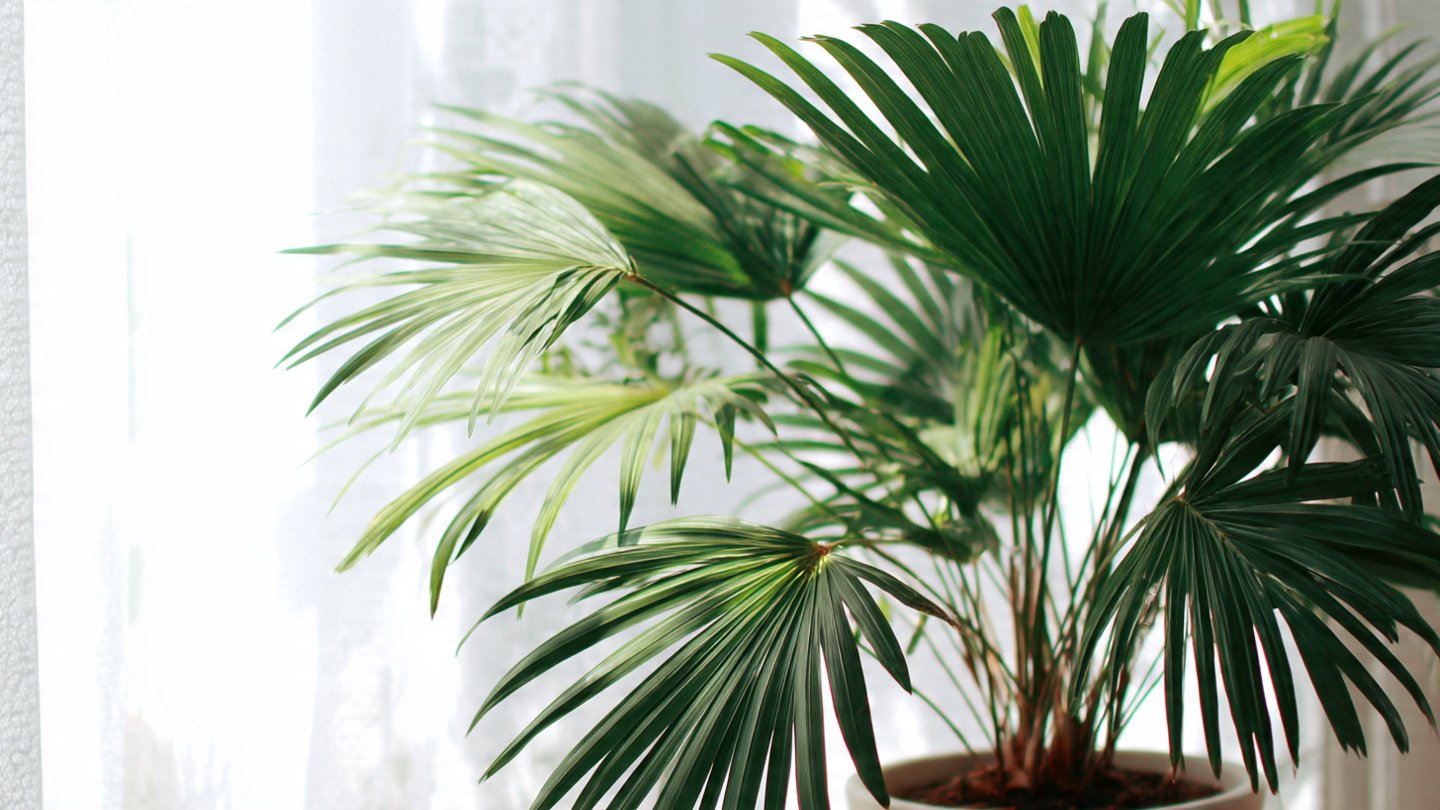
Indoor palms are among the most elegant and versatile houseplants. With their graceful fronds, tropical charm, and ability to purify the air, they can transform any indoor space into a lush oasis. However, despite their beauty, palms can be a bit finicky if their basic needs are not met. Overwatering, insufficient light, and improper soil can quickly lead to brown leaves, stunted growth, or even plant death.
This guide provides a step-by-step approach to caring for indoor palm plants, ensuring they thrive for years while enhancing the aesthetic and air quality of your home.
Choosing the Right Indoor Palm
The first step in successful palm care is selecting a species suited to indoor environments. Some palms tolerate low light and indoor conditions better than others. Popular indoor palms include:
- Areca Palm (Dypsis lutescens) – Also known as the butterfly palm, it is ideal for bright, indirect light and grows to medium height.
- Parlor Palm (Chamaedorea elegans) – Compact and tolerant of lower light, perfect for small apartments.
- Kentia Palm (Howea forsteriana) – Hardy and slow-growing, ideal for larger indoor spaces.
- Lady Palm (Rhapis excelsa) – Adaptable to indoor conditions and easy to maintain.
- Pygmy Date Palm (Phoenix roebelenii) – Attractive, small, and suitable for tabletop or floor pots.
Choosing the right palm is crucial because indoor conditions can vary dramatically in terms of light, humidity, and space. Match your plant selection with your home’s environment to ensure the best results.
Light Requirements
Light is a critical factor in indoor palm health. Most palms thrive in bright, indirect light, mimicking their natural tropical environment. Here’s what you need to know:
- Bright Indirect Light: Place your palm near a north or east-facing window, or behind sheer curtains if the sun is strong.
- Low Light Tolerance: Species like the parlor palm can survive in lower light but will grow more slowly.
- Avoid Direct Sun: Direct sunlight can scorch leaves, especially for delicate varieties like the Areca Palm.
Rotating your plant every few weeks ensures all sides receive light evenly, promoting symmetrical growth.
Watering Your Indoor Palm
Overwatering is the most common mistake made by indoor palm owners. These plants prefer moderate, consistent moisture rather than soggy soil. Guidelines for watering include:
- Check Soil Moisture: Insert your finger 1–2 inches into the soil. Water only if the topsoil feels dry.
- Water Thoroughly: When watering, ensure the entire root ball is moistened. Water should drain freely from the pot.
- Avoid Waterlogging: Empty excess water from saucers to prevent root rot.
- Adjust Seasonally: Palms need more water during active growth in spring and summer and less during dormancy in fall and winter.
Proper watering keeps fronds green and healthy while preventing the dreaded yellowing or browning of leaves.
Humidity and Temperature
Indoor palms are accustomed to tropical climates, so humidity and temperature are vital:
- Humidity: Most palms prefer 40–60% humidity. Dry indoor air, especially in winter with heating, can cause fronds to brown. Increase humidity with a humidifier, pebble tray, or regular misting.
- Temperature: Maintain 65–80°F (18–27°C) during the day and avoid sudden temperature drops. Keep palms away from cold drafts, radiators, or air conditioners.
Creating a stable, humid environment simulates the palm’s natural habitat and promotes healthy growth.
Soil and Fertilization
Indoor palms require well-draining soil to thrive. A mix designed for palms or a combination of potting soil, sand, and perlite ensures proper drainage. Avoid heavy garden soils that retain water, which can lead to root rot.
Fertilization Tips:
- Use a balanced, slow-release fertilizer specifically for palms, rich in potassium and magnesium.
- Fertilize during the growing season (spring through summer) every 6–8 weeks.
- Reduce or stop fertilization in fall and winter when growth slows.
- Watch for signs of nutrient deficiencies, like yellowing leaves or brown tips, and adjust fertilizer accordingly.
Proper nutrition ensures robust fronds, strong roots, and overall plant vitality.
Pruning and Maintenance
Regular maintenance keeps your indoor palm looking its best:
- Remove Dead Fronds: Cut off yellow or brown fronds at the base using clean, sharp scissors or pruning shears.
- Avoid Over-Pruning: Do not remove green fronds, as palms rely on them for photosynthesis.
- Clean Leaves: Wipe leaves with a damp cloth to remove dust, which can inhibit photosynthesis.
Pruning also helps improve air circulation around the plant, reducing the risk of pests and diseases.
Repotting Indoor Palms
Palms prefer slightly snug pots, but eventually, they need repotting to continue growing:
- Frequency: Repot every 2–3 years for most indoor palms.
- Choose the Right Pot: Use a pot 2–4 inches larger in diameter than the current container with good drainage holes.
- Technique: Gently loosen roots, place in fresh soil, and water lightly. Avoid deep planting; the base of the fronds should remain above the soil line.
Repotting refreshes soil, provides nutrients, and prevents root-bound conditions that can stunt growth.
Dealing with Common Issues
Indoor palms are relatively hardy but can face occasional problems:
- Brown Tips: Often caused by low humidity, over-fertilization, or inconsistent watering.
- Yellow Leaves: Can indicate overwatering, poor drainage, or lack of nutrients.
- Pests: Spider mites, mealybugs, and scale insects can infest palms. Wipe leaves regularly and use insecticidal soap if necessary.
- Leggy Growth: Insufficient light can cause palms to grow unevenly or lose their lower fronds.
Monitoring your palm regularly and addressing problems early ensures long-term health.
Maximizing Indoor Palm Health
To keep your palms thriving indoors:
- Rotate the plant for even growth.
- Group palms together to increase local humidity.
- Provide supplemental grow lights if natural light is insufficient.
- Mulch the topsoil lightly to retain moisture.
- Monitor for nutrient deficiencies and adjust care as needed.
Consistency in care is key; palms respond well to stable environments with regular watering, proper light, and occasional fertilization.
Benefits of Indoor Palms
Indoor palms are more than decorative plants. They offer several practical benefits:
- Air Purification: Many palms remove pollutants like formaldehyde, benzene, and carbon monoxide.
- Aesthetic Appeal: Their tall fronds and tropical look enhance indoor spaces.
- Stress Reduction: Being around greenery has been shown to improve mood and productivity.
- Humidity Regulation: They release moisture into the air, improving indoor air quality.
These benefits make palms an excellent choice for homes, offices, and other indoor environments.
Conclusion
Caring for indoor palm plants may seem daunting at first, but with the right knowledge, it becomes a rewarding endeavor. By selecting the appropriate species, providing adequate light, maintaining consistent watering, monitoring humidity, and following proper fertilization and pruning practices, you can enjoy healthy, thriving palms that enhance your indoor environment.
Whether you are looking to create a tropical corner in your living room or add air-purifying greenery to your office, indoor palms are an excellent investment in both aesthetics and well-being. With regular care, patience, and attention to detail, your palms can thrive for many years, adding natural beauty and a touch of the tropics to your indoor spaces.