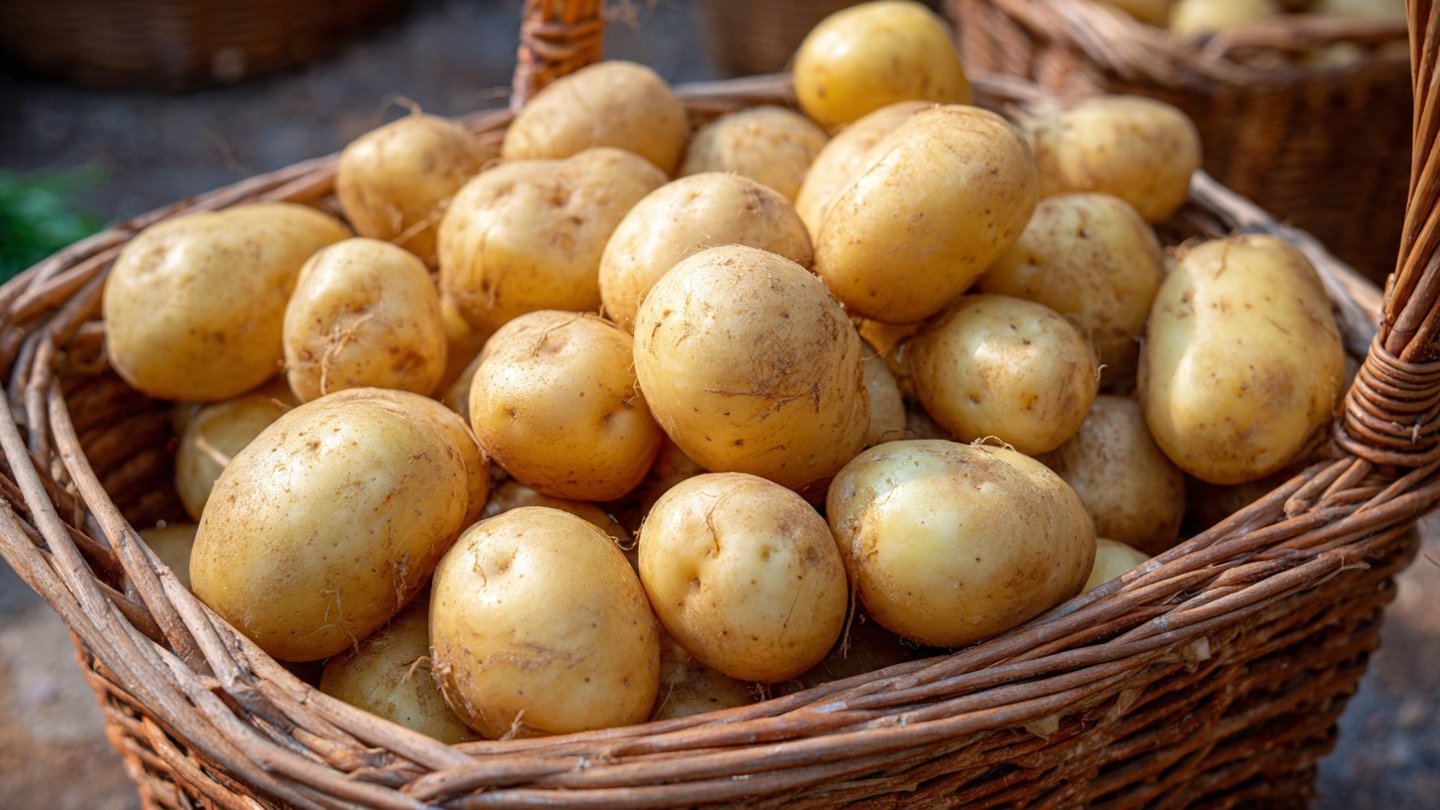
Potatoes are a staple in gardens and kitchens worldwide, yet many home gardeners struggle to get the yields they hope for. You plant the seed potatoes, care for the plants, and still end up with fewer tubers than expected. After years of experimenting, I discovered one key tip that transformed my potato harvests—producing more tubers, larger potatoes, and consistently high yields.
In this article, we’ll explore that game-changing tip and the surrounding steps that ensure your potato plants reach their full potential. Whether you’re a beginner or a seasoned gardener, understanding this method can make all the difference.
Why Potatoes Sometimes Produce Poorly
Potatoes may produce fewer tubers than expected for several reasons:
- Shallow planting or poor soil structure – Potatoes need loose, well-draining soil to expand underground. Compacted soil restricts tuber growth.
- Inadequate “earthing up” – Failure to cover growing stems encourages fewer tubers.
- Nutrient imbalance – Too much nitrogen promotes leafy growth at the expense of tuber formation.
- Irregular watering – Inconsistent moisture reduces both the number and size of tubers.
- Poor seed selection – Weak or diseased seed potatoes produce fewer, smaller tubers.
Many gardeners overlook the crucial relationship between soil management, earthing up, and plant nutrition—the factors that determine tuber count and size.
The Game-Changing Tip: Earthing Up Correctly
The tip that revolutionized my harvest is earthing up—or hilling—the potato plants at the right time and in the right way. While many gardeners pile soil around potato stems, most do it too late or too lightly. Proper earthing up ensures:
- More stolons develop underground
- Tubers are protected from sunlight (preventing greening)
- Plants focus energy on tuber growth rather than excessive foliage
This single step dramatically increases the number of potatoes per plant and improves overall yield.
Step 1: Choose Healthy Seed Potatoes
Start with certified disease-free seed potatoes rather than store-bought ones whenever possible. Choose small to medium tubers with multiple “eyes” (buds), as each eye can develop into a new stem and ultimately produce tubers.
Cut larger seed potatoes into pieces with at least one or two eyes each. Allow them to dry for a day or two to form a protective callus before planting—this reduces the risk of rotting.
Step 2: Prepare Loose, Fertile Soil
Potatoes thrive in loose, well-draining soil with plenty of organic matter. Here’s how to prepare the bed:
- Dig or till the soil at least 10–12 inches deep
- Mix in compost, aged manure, or other organic amendments
- Ensure the soil is slightly acidic to neutral (pH 5.8–6.5)
Compacted soil limits tuber expansion, so the deeper and looser the soil, the more room the potatoes have to grow.
Step 3: Plant at the Correct Depth
Plant seed potato pieces about 3–4 inches deep with eyes facing up. Space plants 12 inches apart, with rows 2–3 feet apart. This spacing ensures adequate airflow, reduces competition, and leaves enough room for earthing up.
Step 4: First Earthing Up
When stems reach 6–8 inches tall, it’s time for the first earthing up. Gently mound soil around the base of the plant, covering about half of the stem. This encourages stolon formation along buried stems, which will develop into additional tubers.
Be careful not to bury the leaves completely—just mound enough soil to stimulate underground growth.
Step 5: Second and Third Earthing Up
Repeat earthing up every 2–3 weeks as stems grow. By gradually adding soil, you allow the plant to produce multiple layers of stolons and tubers. Each earthing up increases the potential number of potatoes, creating a layered system of growth.
- Second earthing up: Cover stems about two-thirds of their height
- Third earthing up: Final mound should support the vine while leaving top leaves exposed
Consistent earthing up is the key step most gardeners neglect, and it’s the secret behind producing many tubers per plant.
Step 6: Water Consistently
Potatoes need steady moisture throughout the growing season. Water deeply once or twice a week, depending on rainfall and soil type. Shallow watering can lead to fewer tubers and smaller potatoes.
Avoid overwatering once tubers start forming, as soggy soil increases the risk of rot and disease. Mulching helps maintain soil moisture and keeps the tubers cool.
Step 7: Fertilize for Tuber Development
After initial leafy growth, switch from nitrogen-heavy fertilizer to one higher in phosphorus and potassium. These nutrients support flowering and tuber formation.
Organic options such as compost tea, bone meal, or wood ash work well. Avoid excessive nitrogen, which will produce lush foliage but few potatoes.
Step 8: Protect Against Pests and Diseases
Potatoes are susceptible to pests like Colorado potato beetles, aphids, and fungal diseases. Regularly inspect plants and remove pests by hand or use organic treatments. Preventative measures such as crop rotation and proper spacing also reduce disease risk.
Step 9: Harvest at Peak Time
Potatoes are usually ready to harvest 2–3 weeks after flowering, depending on the variety. For new potatoes, dig gently when the plants are still green. For storage potatoes, wait until foliage begins to yellow and die back.
Careful harvesting prevents damage to tubers. Brush off excess soil and allow them to cure in a cool, dark, and ventilated space for a few days before storage.
The Results: Many Tubers, Higher Yield
By implementing proper earthing up along with consistent watering, nutrient management, and pest control, the difference was remarkable:
- Plants produced significantly more tubers per stem
- Tubers were larger and more uniform
- Overall harvest increased dramatically compared to previous seasons
This method doesn’t require expensive fertilizers or complicated techniques—just timing, attention, and correct soil management.
Common Mistakes to Avoid
- Neglecting earthing up or doing it too late
- Overcrowding plants
- Using poor-quality seed potatoes
- Overwatering or under-watering
- Excess nitrogen feeding
Correcting these mistakes ensures higher tuber counts and larger potatoes.
Final Thoughts
Earthing up is the simple, often overlooked step that can completely transform your potato harvest. Combined with good soil, proper spacing, consistent watering, and nutrient management, it allows potato plants to produce more tubers and higher yields season after season.
Once you experience the satisfaction of digging up a mound of healthy, uniform potatoes, you’ll understand why this tip is essential. It’s a small change with a huge payoff for any home gardener looking to maximize their potato crop.