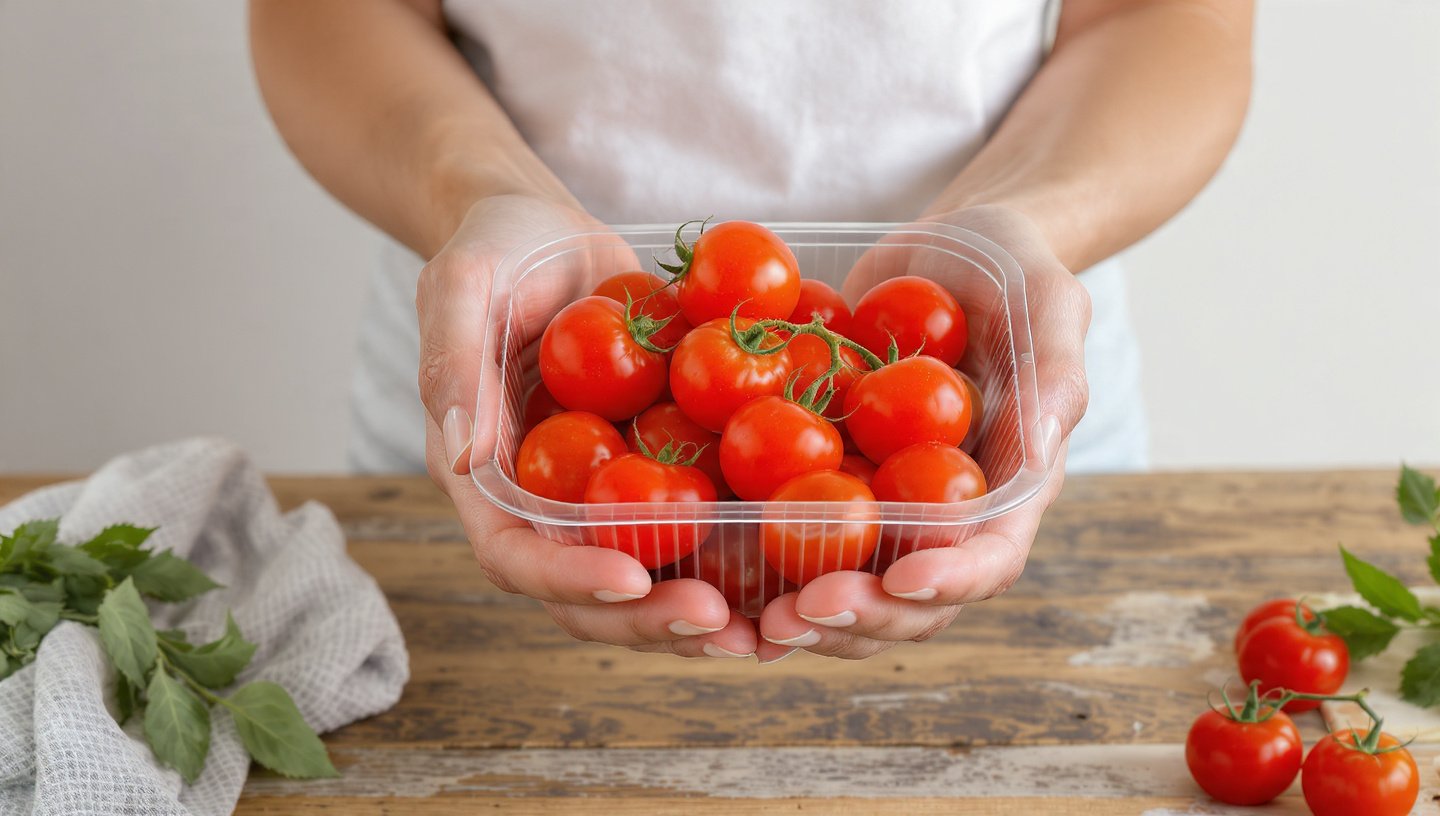
Tomatoes are one of the most popular home-grown vegetables—or fruits, botanically speaking—thanks to their vibrant flavor, versatility, and nutritional value. But what if you don’t have a garden? Many urban dwellers or apartment residents feel limited by space and think growing tomatoes is impossible. The good news is that even without a garden, you can grow fast, highly productive tomato plants using container gardening, vertical systems, and smart care techniques.
This guide explores practical, space-saving methods for growing tomatoes that thrive and bear abundant fruit, even in small spaces like balconies, patios, or rooftops.
Understanding Tomato Growth
Tomatoes are warm-season plants that require sunlight, water, nutrients, and support to produce fruit. For plants grown in small spaces or containers, the key is to replicate ideal conditions as closely as possible. Container-grown tomatoes grow faster than neglected garden plants when they receive consistent care, proper nutrition, and structural support.
Key factors affecting tomato growth:
- Sunlight: 6–8 hours of direct sunlight daily
- Water: Consistent moisture without waterlogging
- Nutrients: Balanced feeding for fruit and leaf development
- Support: Stakes, cages, or trellises to keep plants upright
With these factors addressed, even limited-space growers can harvest tomatoes quickly and in abundance.
Step 1: Choosing the Right Tomato Varieties
Not all tomato varieties are suitable for container or small-space growing. Choosing fast-growing, compact, and high-yielding types is critical for success.
Recommended Varieties for Small Spaces:
- Determinate Varieties: Also called bush tomatoes, they grow to a fixed height (2–3 feet) and produce fruit all at once. Examples: Roma, Tiny Tim, Patio Princess.
- Indeterminate Varieties: These continue to grow and produce fruit throughout the season but need vertical support. Examples: Cherry tomatoes, Sweet Million.
Compact, fast-growing varieties are ideal for balconies or indoor setups and ensure a quicker, fruitful harvest.
Step 2: Selecting Containers
Container size and type significantly affect tomato growth. Tomatoes need enough space for root development, which directly influences fruiting speed and yield.
Container Guidelines:
- Minimum size: 5–10 gallons per plant
- Materials: Plastic, clay, or fabric grow bags (ensure drainage holes)
- Depth: At least 12 inches for smaller determinate varieties; 18–24 inches for indeterminate types
Larger containers retain moisture better, provide more nutrients, and reduce root stress, all of which support faster growth.
Step 3: Choosing the Growing Medium
Soil quality is crucial in container-grown tomatoes. Unlike garden soil, containers require a well-draining, nutrient-rich medium.
Recommended Mix:
- 50% quality potting soil
- 30% compost or vermicompost for nutrients
- 20% perlite or sand for drainage
This mix ensures roots receive oxygen, water, and nutrients in balance, promoting rapid growth and healthy fruiting.
Step 4: Planting and Initial Care
Proper planting techniques prevent early setbacks and encourage strong root development:
- Fill the container with the soil mix.
- Plant seedlings deep, burying 2–3 inches of the stem. Tomatoes can develop roots along buried stems, increasing nutrient uptake.
- Water gently to settle soil around roots.
- Place containers in a sunny location with 6–8 hours of direct light.
Deep planting and careful watering help plants establish quickly and begin fast growth.
Step 5: Watering and Fertilization
Tomatoes grown in containers dry out faster than garden plants, so consistent watering is key:
- Water thoroughly whenever the top inch of soil feels dry
- Avoid overwatering, which can cause root rot
- Use organic or slow-release fertilizers to feed plants every 2–3 weeks
A balanced approach ensures strong leaf and stem development, which leads to faster flowering and fruiting. Liquid fertilizers like compost tea or diluted cow dung solutions work well for speedy growth.
Step 6: Providing Support for Vertical Growth
Even in small spaces, tomato plants need support. Proper support encourages better air circulation, reduces disease, and helps the plant focus energy on fruit production.
Support Options:
- Stakes: Simple wooden or bamboo stakes for determinate varieties
- Cages: Wire cages allow bushy plants to grow upright
- Trellises or strings: Ideal for indeterminate cherry tomatoes, especially in vertical setups
Vertical growth saves space and allows sunlight to reach all leaves, boosting photosynthesis and accelerating fruit development.
Step 7: Pruning and Pinching
Pruning is an effective way to grow tomatoes faster and increase fruit yield, even in containers. Removing unnecessary leaves and suckers helps the plant focus energy on fruiting.
Pruning Tips:
- For indeterminate varieties, pinch off lateral suckers at the base of the leaf joints
- Remove yellowing or diseased leaves to prevent disease spread
- Avoid over-pruning, which can reduce foliage needed for photosynthesis
Strategic pruning encourages faster flowering and larger, healthier fruits.
Step 8: Pest and Disease Management
Even container-grown tomatoes are susceptible to pests and diseases, which can slow growth or reduce fruit production:
- Common pests: Aphids, whiteflies, spider mites
- Common diseases: Powdery mildew, leaf spot, root rot
Preventive measures include:
- Using neem oil or insecticidal soap for pests
- Maintaining proper spacing and air circulation
- Removing infected leaves promptly
Healthy plants grow faster and produce more fruit, so proactive management is essential.
Step 9: Using Companion Plants and Mulch
Companion planting and mulching can further accelerate growth:
- Plant basil, marigold, or chives nearby to repel pests naturally
- Apply organic mulch (straw, dried leaves) around the base to retain moisture, regulate temperature, and reduce weeds
These practices create an optimal microenvironment for rapid, fruitful tomato growth.
Step 10: Harvesting for Continuous Growth
One advantage of container or small-space tomatoes is the ability to harvest frequently:
- Pick fully ripe fruits regularly to encourage new flowering
- For determinate varieties, harvest when fruits reach peak color
- For indeterminate types, continue picking throughout the growing season
Regular harvesting signals the plant to produce more flowers and fruits, keeping growth and yield high.
Benefits of Growing Tomatoes Without a Garden
Even without a traditional garden, growing tomatoes in containers or vertical setups offers many advantages:
- Saves space in urban environments
- Produces fresh, chemical-free fruits at home
- Reduces dependency on store-bought tomatoes
- Allows for faster growth and early fruiting with proper care
With the right setup, you can enjoy an abundant harvest without a traditional backyard garden.
Conclusion
Growing super fruitful and fast tomatoes without a garden is entirely possible. By selecting the right varieties, using appropriate containers, preparing nutrient-rich soil, providing proper support, pruning strategically, and maintaining consistent care, even small-space growers can enjoy bountiful tomato harvests.
Whether on a balcony, rooftop, or indoor windowsill, these methods allow you to maximize space, accelerate growth, and enjoy fresh, delicious tomatoes throughout the season. With patience, attention, and smart practices, anyone can turn limited space into a productive tomato paradise.