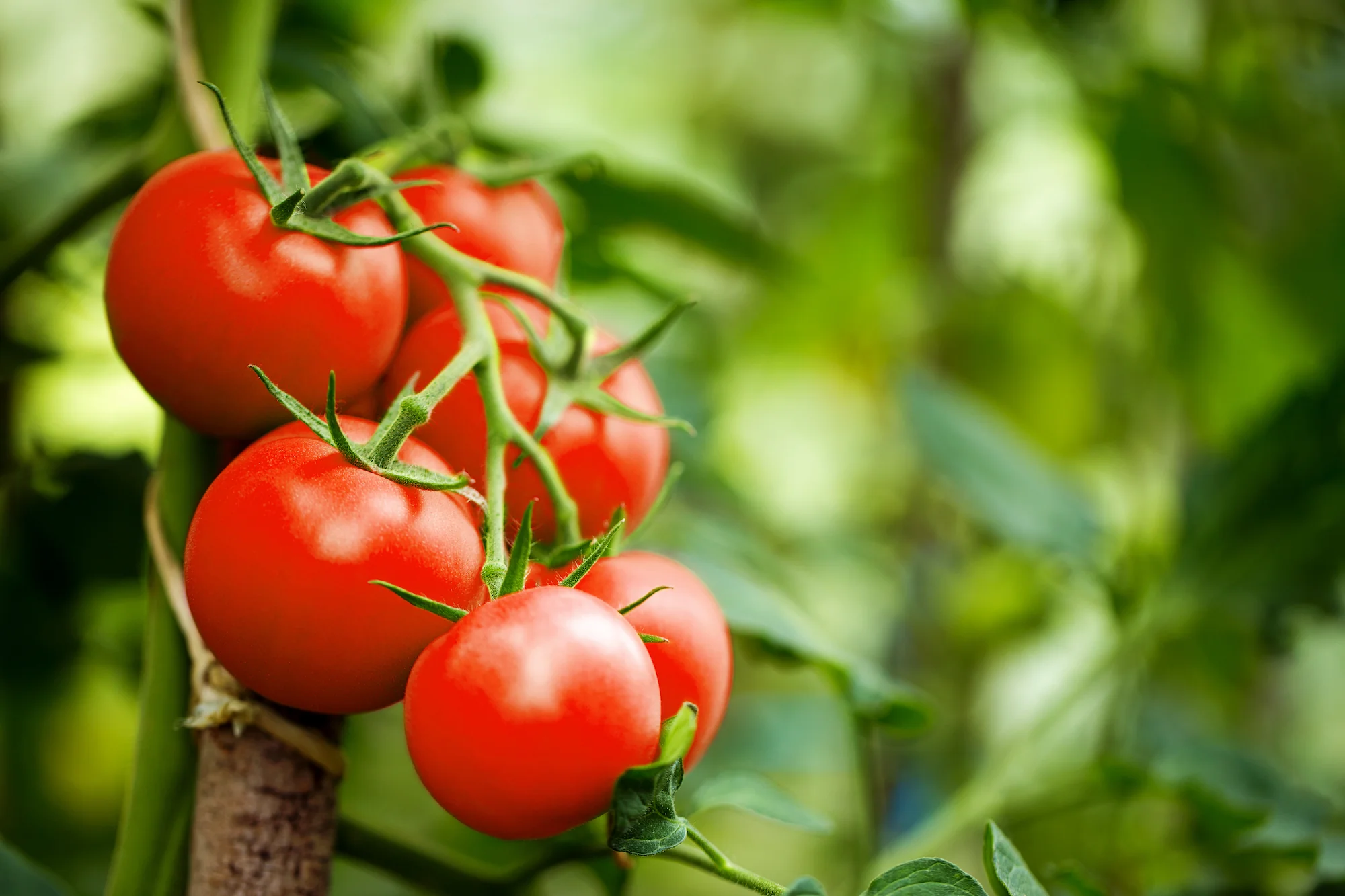
Tomatoes are one of the most loved vegetables in home gardens, yet many people avoid growing them because they believe tomatoes need constant watering, deep soil, and daily attention. The truth is very different. With smart growing techniques, a small amount of soil and a no-regular-watering approach can produce healthy tomato plants with heavy yields—year-round in many climates.
This complete guide explains how to grow tomatoes efficiently using minimal soil, natural moisture retention, and low-maintenance systems that dramatically reduce watering while increasing productivity.
Why Tomatoes Thrive With Less Water Than You Think
Tomatoes are resilient plants. Their roots naturally seek moisture deep in the soil, making them ideal for water-efficient growing methods. When watered too frequently, tomatoes develop shallow roots, weak growth, and fewer fruits.
By encouraging deeper root systems and using moisture-holding materials, tomatoes become more drought-tolerant, healthier, and more productive. Less water often leads to better flavor and stronger plants.
The Secret: Controlled Moisture, Not Constant Watering
The goal of low-water tomato growing is to maintain consistent moisture at the root level—not wet soil on the surface. This is achieved through:
- Deep root encouragement
- Mulching
- Bottom watering or self-watering systems
- Soil that holds moisture without becoming compacted
Once established, tomato plants can thrive with very little additional watering.
Choosing the Right Containers or Growing Space
You don’t need deep garden beds. Tomatoes grow exceptionally well in:
- Grow bags
- Buckets
- Shallow raised beds
- Self-watering containers
- Recycled boxes or tubs
Even a container with 10–12 inches of soil can support a productive tomato plant when moisture is managed properly.
Ensure drainage holes are present so excess water never sits at the roots.
The Ideal Soil Mix for Low-Water Tomatoes
Using the right soil mix is critical. The soil must retain moisture while remaining airy.
A proven mix includes:
- Garden soil for structure
- Compost or vermicompost for nutrients
- Coco peat or leaf mold for moisture retention
- A small amount of sand or perlite for drainage
This combination allows the soil to hold water deep below the surface, reducing evaporation and keeping roots consistently hydrated.
Mulching: The Key to No-Watering Success
Mulching is non-negotiable if you want tomatoes with minimal watering. A thick mulch layer prevents evaporation, regulates temperature, and feeds the soil as it breaks down.
Excellent mulch options include:
- Dry leaves
- Straw
- Grass clippings
- Coconut husk chips
- Cardboard (covered with organic matter)
Apply mulch 2–4 inches thick around the base of the plant, keeping it slightly away from the stem.
Bottom Watering and Passive Moisture Systems
Instead of watering from the top, bottom watering delivers moisture directly to the roots and reduces waste.
Simple methods include:
- Placing containers in trays with water
- Using buried bottles with small holes
- Wicking systems made from cloth or rope
- Gravel reservoirs at the base of containers
These systems slowly release moisture, allowing plants to absorb water as needed—often eliminating daily watering entirely.
Sunlight and Airflow Still Matter
Low watering doesn’t mean low light. Tomatoes require at least 6–8 hours of direct sunlight daily to flower and fruit continuously.
Good airflow prevents fungal diseases and helps plants stay healthy even with dense mulching. Avoid overcrowding and prune lower leaves when necessary.
Feeding Tomatoes Without Overwatering
Tomatoes grown with less water still need nutrients. Instead of liquid fertilizers that require frequent watering, use slow-release organic feeding.
Top-dress plants every 15–20 days with:
- Compost
- Vermicompost
- Crushed eggshells
- Banana peel powder
- Wood ash (in small amounts)
These nutrients break down gradually and feed plants without flushing moisture from the soil.
Pruning for Higher Yield and Water Efficiency
Pruning improves both yield and water efficiency. Removing excess foliage reduces water loss through transpiration and directs energy toward fruit production.
Focus on:
- Removing lower leaves touching the soil
- Pinching unwanted side shoots
- Cutting weak or overcrowded branches
Healthier structure means less stress and fewer water demands.
Growing Tomatoes Year-Round
In warm and mild climates, tomatoes can be grown almost year-round. In cooler seasons, move containers to sunnier spots and reduce watering further.
Mulch acts as insulation, protecting roots from temperature swings. With proper care, tomato plants can continue producing for many months—even with minimal soil and water input.
Common Mistakes to Avoid
- Frequent shallow watering
- Bare soil without mulch
- Overfeeding with nitrogen
- Poor drainage
- Letting soil dry completely before establishment
Once plants are well-rooted, they become extremely forgiving and low-maintenance.
Why This Method Produces Better-Tasting Tomatoes
Tomatoes grown with controlled water develop deeper flavor, firmer texture, and richer color. Excess water dilutes sugars, while balanced moisture concentrates taste.
Many gardeners are surprised to find that less water leads to better harvests—not smaller ones.
Final Thoughts
Growing tomatoes doesn’t require constant watering or deep soil. With the right soil mix, smart mulching, and moisture-retaining techniques, you can enjoy abundant tomato harvests with minimal effort.
This low-water method saves time, conserves resources, and produces healthier plants with better-tasting fruit. Whether you garden on a balcony, terrace, or backyard, this approach proves that tomatoes thrive when we work with nature—not against it.