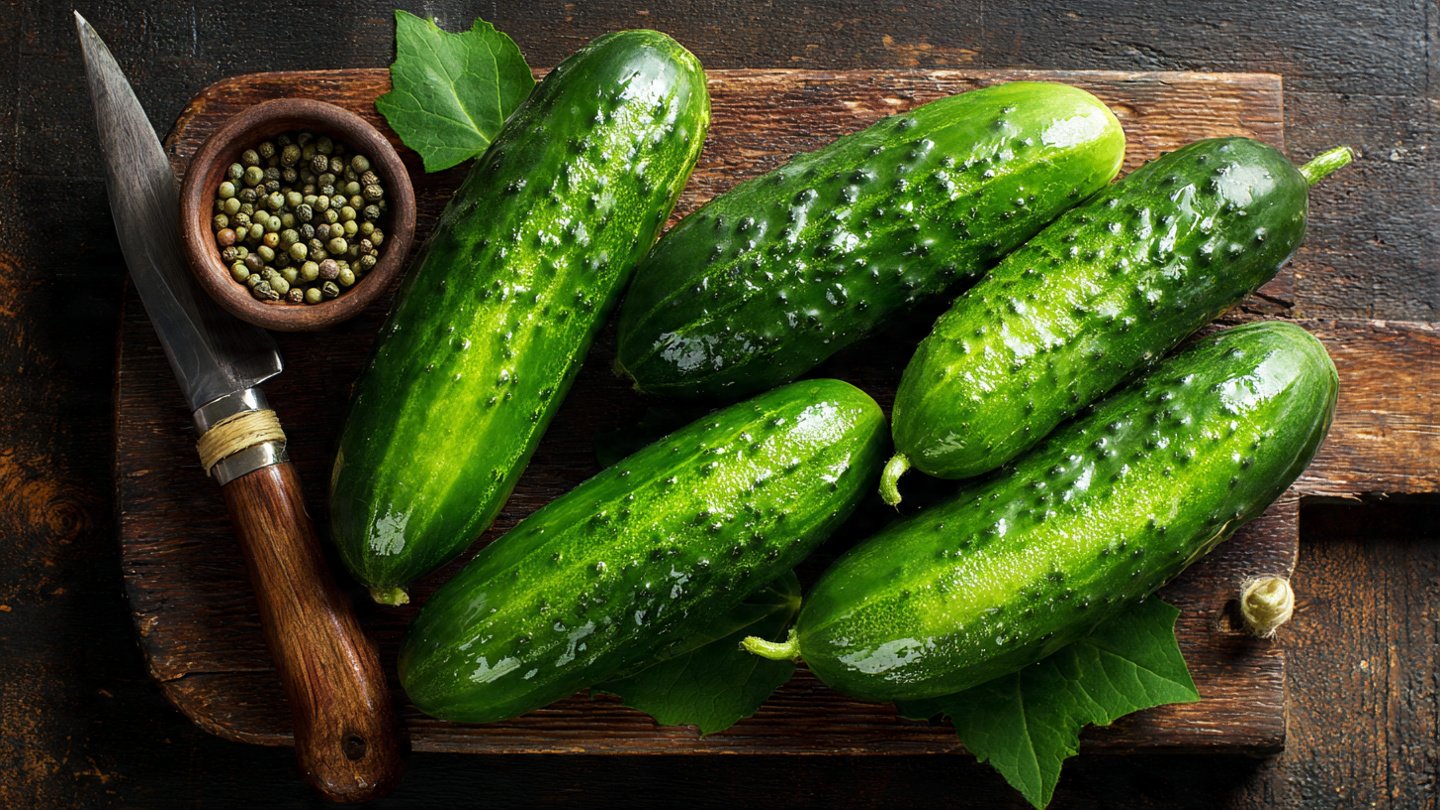
There’s nothing quite like biting into a crunchy, tangy pickle made from cucumbers you’ve grown yourself. While store-bought pickles may satisfy a craving, growing your own cucumbers opens the door to freshness, flavor, and creative control over your homemade pickles. Beyond taste, cultivating your own cucumbers is a satisfying gardening experience that connects you with your food and allows you to enjoy sustainable, nutrient-rich produce right from your backyard or balcony.
If you’ve ever considered trying your hand at pickling, starting with homegrown cucumbers is the first step. Here’s why now is the perfect time to plant, harvest, and transform cucumbers into your favorite homemade pickles.
1. Freshness That Store-Bought Can’t Match
The journey from cucumber to pickle is quick and most flavorful when the fruit is freshly picked. Store-bought cucumbers often sit in transit, storage, and supermarket shelves for days—or even weeks—before they reach your kitchen. By contrast, cucumbers harvested directly from your garden are at peak ripeness, crisp, juicy, and full of natural flavor.
Pickling freshly harvested cucumbers preserves their crunch and natural sweetness. The resulting homemade pickles are markedly different from the mass-produced versions, which often rely on additives, preservatives, and extra sugar or salt to maintain shelf life.
2. Control Over Ingredients
When you grow your own cucumbers and make pickles at home, you control every ingredient. Whether you prefer classic dill, spicy chili, or sweet bread-and-butter pickles, the flavor is entirely up to you. You can also reduce salt, sugar, and preservatives compared to commercial pickles, creating a healthier option for your family.
Additionally, using homegrown cucumbers ensures that the produce is free from pesticides, herbicides, or other chemicals often used in commercial farming. This means your pickles are organic and natural, straight from your own garden.
3. A Rewarding Gardening Experience
Cucumber plants are relatively easy to grow and can thrive in a variety of settings, from backyard gardens to container planters on a balcony. Watching seedlings sprout, vines grow, and fruits develop is highly rewarding, especially when you later enjoy the results in a jar of pickles.
Growing cucumbers also teaches valuable gardening skills such as proper soil preparation, watering techniques, and pest management. Over time, gardeners learn how to maximize yield, experiment with varieties, and even enjoy a continuous harvest for extended pickling seasons.
4. Cost Savings
While seeds and soil amendments have an initial cost, growing your own cucumbers for pickling can save money compared to purchasing large quantities of fresh cucumbers or specialty pickles. A few well-tended plants can yield dozens of cucumbers over a growing season, enough for multiple batches of homemade pickles.
Home gardening also reduces packaging waste and transport-related emissions, adding an eco-friendly aspect to your culinary hobby.
5. Endless Pickling Creativity
Once you have your own cucumbers, the world of pickling opens up. You can experiment with:
- Dill pickles with fresh herbs
- Spicy pickles with chili peppers and garlic
- Sweet pickles with a touch of sugar and spices
- Fermented pickles, using probiotics for gut health
Homegrown cucumbers allow you to create unique flavors, textures, and sizes. Small, thin cucumbers are ideal for traditional crunchy pickles, while larger cucumbers work well for sliced or specialty pickles.
6. Benefits of Seasonal Eating
Growing your own cucumbers connects you to the rhythm of the seasons. Summer cucumbers are naturally at their sweetest, and by pickling them when they’re at peak ripeness, you can enjoy the taste of summer year-round. This practice reduces dependency on off-season produce, which may be less fresh and flavorful.
Seasonal eating also encourages awareness of plant cycles and sustainable harvesting practices, enriching your gardening experience and understanding of food systems.
7. Practical Tips for Growing Cucumbers for Pickling
To maximize your homegrown cucumber yield for pickling, consider the following tips:
Choose the Right Varieties
Some cucumber varieties are better suited for pickling than others. Look for small, firm types like:
- ‘Pickling’ cucumbers – specifically bred for crispness
- ‘Boston Pickling’ – classic choice for homemade pickles
- ‘National Pickling’ – compact, easy to grow
Provide Adequate Support
Cucumbers are vining plants that thrive on trellises or cages. Vertical growth not only saves space but also improves air circulation and reduces rot.
Monitor Soil and Watering
Cucumbers need well-drained soil rich in organic matter and consistent watering. Avoid letting the soil dry out completely or become waterlogged.
Harvest at the Right Time
Pick cucumbers when they are firm, small to medium-sized, and before seeds enlarge. Overripe cucumbers can become bitter or less suitable for pickling.
Rotate Crops and Maintain Hygiene
Prevent disease and pests by rotating crops annually and keeping plants healthy. Clean tools and harvest containers to ensure bacteria or mold do not affect your pickles.
8. From Garden to Jar: Pickling Basics
Once you have your cucumbers, pickling is straightforward:
- Wash and trim cucumbers, removing any damaged spots.
- Prepare brine with vinegar, water, salt, and optional sugar.
- Add flavorings such as dill, garlic, mustard seeds, or chili.
- Pack cucumbers into sterilized jars and pour in brine.
- Seal and refrigerate for quick pickles, or process in a water bath for shelf-stable jars.
This simple process turns your garden harvest into delicious, shelf-stable treats that can be shared with friends or enjoyed throughout the year.
9. The Satisfaction of Self-Sufficiency
Beyond taste, growing cucumbers and making pickles fosters self-sufficiency. You gain confidence in producing your own food, understand where it comes from, and can reduce reliance on store-bought products. For families, it’s also an educational activity that introduces children to gardening, cooking, and sustainable practices.
10. Final Thoughts
Starting your own cucumber garden for pickling is a rewarding, practical, and delicious endeavor. From superior flavor and health benefits to creative experimentation and self-reliance, the advantages are numerous. Even beginners can quickly see results with a few plants and basic care.
By planting cucumbers today, you not only enjoy fresh, crunchy fruits during the growing season but also create a supply of homemade pickles that bring the taste of your garden to your table year-round. There’s no better way to combine gardening passion with culinary creativity—and the satisfaction of tasting something truly your own.