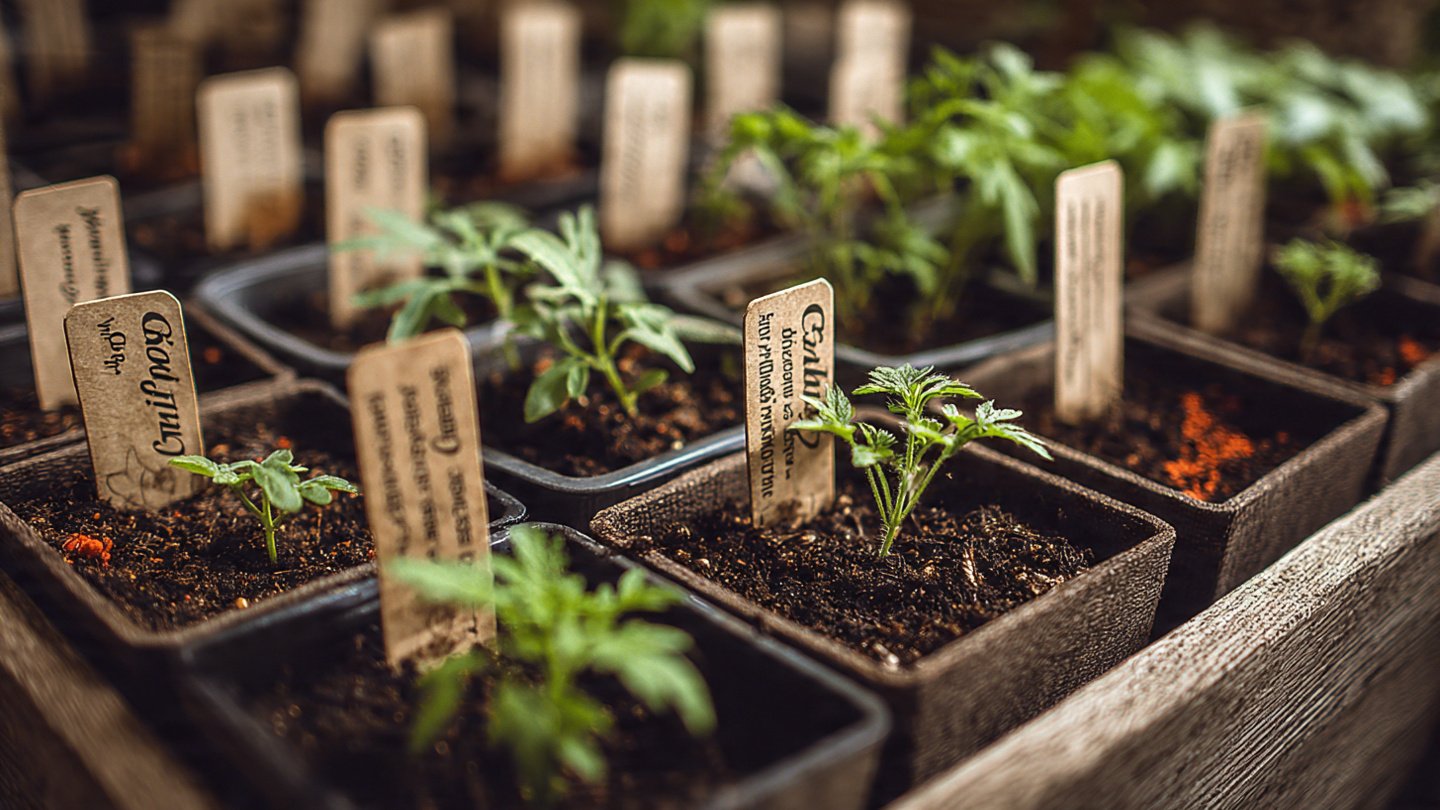
Gardening is an art, a science, and often a personal journey of discovery. Whether you are a seasoned gardener or just starting, keeping track of your plants can quickly become challenging. Seeds are small, often look alike, and many take weeks or months to germinate. Without a system to identify them, you may end up planting the wrong seeds in the wrong place or forgetting what variety you are growing.
Enter garden labels—a simple, inexpensive tool that has the power to revolutionize the way you garden. At first glance, labels may seem trivial, but their impact goes far beyond mere organization.
1. Keep Track of Seed Varieties
One of the most obvious benefits of garden labels is that they allow you to identify your seeds clearly. Whether you are planting multiple varieties of tomatoes, peppers, or flowers, labels prevent mix-ups.
Imagine planting two types of basil—one sweet, one lemon—and accidentally harvesting the wrong one. Garden labels eliminate this confusion, helping you enjoy exactly the plants you intended to grow.
2. Improve Your Planting Accuracy
Different seeds have different requirements: soil depth, spacing, sunlight, and water needs can vary widely. By labeling your seeds, you ensure that each plant is placed in the right conditions, optimizing germination and growth.
For example:
- Carrots need deep, loose soil and longer spacing
- Lettuce requires shallow soil and closer spacing
- Sunflowers prefer full sun and ample room
Labels make it easy to follow your planting plan accurately, reducing wasted effort and failed crops.
3. Track Planting Dates and Growth Stages
Some garden labels come with writable surfaces where you can note the planting date or germination progress. This simple habit allows you to monitor:
- How long seeds take to sprout
- When to thin seedlings
- When to start harvesting
Tracking growth stages not only improves productivity but also helps you understand the conditions your plants thrive in, turning each season into a learning experience.
4. Avoid Confusion in Shared or Community Gardens
Community gardens and shared plots often involve multiple gardeners working side by side. Without labels, it’s easy for plants to get mixed up, which can lead to disagreements or lost harvests. Clearly marked seeds and seedlings make collaboration smoother and prevent misunderstandings.
5. Enhance Garden Planning and Rotation
Labels do more than mark your seeds—they allow for better garden planning and crop rotation. Knowing exactly what you planted last season makes it easier to rotate crops, a practice that improves soil health and reduces pest and disease buildup.
For example:
- Avoid planting tomatoes in the same spot as last year’s tomatoes
- Rotate legumes to replenish nitrogen in the soil
- Track flowers that attract pollinators to enhance biodiversity
With labeled seeds, planning becomes more strategic and efficient.
6. Reduce Waste and Save Money
Misidentifying seeds or forgetting what you planted often leads to wasted resources. You may overplant certain crops or discard seedlings unnecessarily. Garden labels reduce these mistakes, ensuring that your seeds, soil, water, and fertilizer are used efficiently—ultimately saving money and effort.
7. Encourage Experimentation and Record-Keeping
For gardeners who love experimenting with new varieties, labels are indispensable. You can:
- Try different cultivars side by side
- Record notes about growth rates, pest resistance, and flavor
- Evaluate which varieties perform best in your conditions
Over time, labeled records create a personalized garden diary, making each season more rewarding and informative.
8. Types of Garden Labels
Garden labels come in a variety of materials and styles to suit every gardener’s needs:
- Plastic labels: Durable, lightweight, and waterproof; perfect for outdoor use
- Wooden labels: Natural look, biodegradable, ideal for organic gardens
- Metal labels: Long-lasting and elegant, can be reused year after year
- Chalkboard labels: Writable and erasable, great for repeated use in seed trays
Choosing the right label depends on your gardening style, climate, and whether you prefer a reusable or disposable option.
9. Best Practices for Using Garden Labels
To maximize the benefits of garden labels:
- Write clearly: Use waterproof markers or pencils to prevent fading
- Include essential details: Plant name, variety, planting date, and any notes
- Place labels securely: Ensure they are visible and won’t be easily blown away or covered by soil
- Maintain labels: Clean and reuse labels when possible to reduce waste
Consistency is key. Well-maintained labels create a visually organized garden and save time searching for information later.
10. Beyond Seeds: Labels for Transplants and Potted Plants
Garden labels aren’t just for seeds. They are equally useful for transplants, seedlings, and container plants. Labeling potted herbs, indoor seedlings, or young vegetable plants ensures that you can identify them easily, even as they grow larger and foliage changes.
This simple tool can transform not just your outdoor garden but also your balcony, windowsill, or greenhouse setup.
Final Thoughts
Using garden labels may seem like a small step, but it can have a transformative effect on your gardening experience. From tracking seed varieties and planting dates to improving accuracy, saving money, and supporting experimentation, labels help gardeners stay organized and informed.
Ultimately, garden labels are not just markers—they are tools that enhance efficiency, reduce stress, and elevate the joy of gardening. If you want to take your gardening to the next level, start labeling your seeds today. You may be surprised at just how much this simple habit can improve your results.