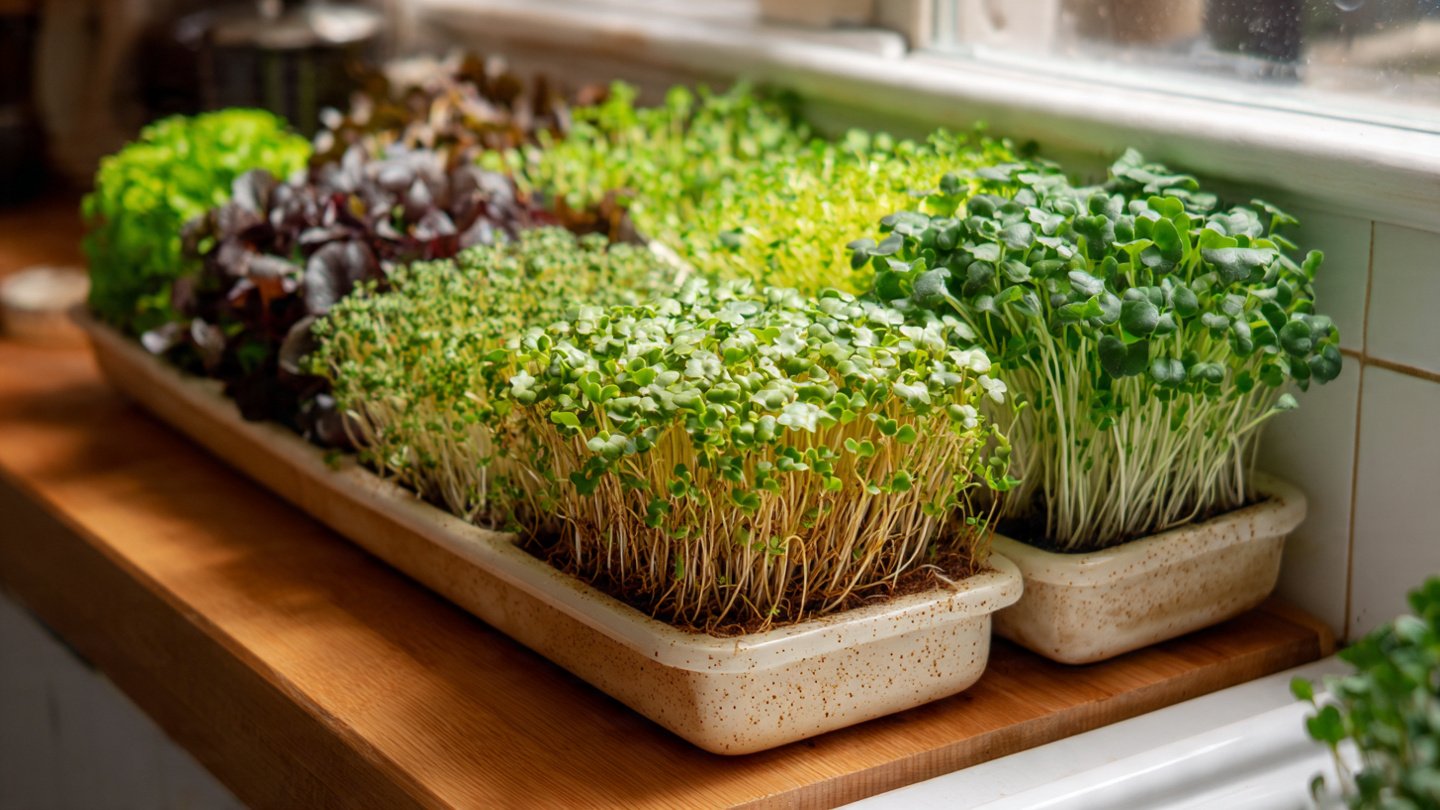
Fresh greens are a cornerstone of a healthy diet, yet during the winter months, access to vibrant, nutrient-packed vegetables can be limited. A sprout station in your kitchen offers a simple, efficient, and space-saving way to grow your own fresh greens all year round. Sprouts like broccoli, alfalfa, radish, and mung beans are not only quick to grow but also packed with vitamins, minerals, and antioxidants, making them an excellent addition to winter meals.
This guide explains why having a sprout station in your kitchen is a smart choice, how to set one up, and tips for maximizing its benefits during the colder months.
The Nutritional Power of Sprouts
Sprouts are germinated seeds that are consumed shortly after they begin to grow. They are nutritional powerhouses that can complement any diet, particularly in winter when fresh produce may be scarce.
Health benefits include:
- High vitamin content: Sprouts are rich in vitamins A, C, K, and many B-complex vitamins.
- Minerals: They provide calcium, magnesium, iron, and potassium.
- Digestive enzymes: Sprouts contain enzymes that aid digestion and nutrient absorption.
- Antioxidants: Compounds in sprouts help combat oxidative stress and support immunity.
- Low in calories: Perfect for maintaining a balanced diet without adding excess calories.
Adding sprouts to salads, sandwiches, soups, and smoothies can elevate both the nutritional value and flavor of meals.
Why a Kitchen Sprout Station Is Ideal for Winter
During winter, fresh vegetables can be expensive, less flavorful, or difficult to source. A kitchen sprout station solves these challenges:
- Year-round freshness: No matter how cold it is outside, sprouts grow quickly indoors.
- Space efficiency: Sprout trays or jars fit easily on countertops or shelves.
- Low maintenance: Sprouts require minimal attention, just water and a suitable temperature.
- Cost-effective: Sprouting seeds are inexpensive, and one batch yields multiple servings.
- Flavor variety: Grow a range of sprouts—radish, broccoli, mung bean, lentil—for diverse tastes.
By establishing a small indoor sprouting setup, you can enjoy fresh greens even in the heart of winter.
Setting Up Your Kitchen Sprout Station
Creating a sprout station is simple and requires minimal equipment. Here’s what you need:
Equipment:
- Sprouting jars or trays: Glass jars with mesh lids or specialized sprouting trays work well.
- Seeds: Choose organic, non-GMO seeds for sprouts like alfalfa, broccoli, radish, or mung beans.
- Water: Clean, filtered water ensures healthy growth.
- Tray or plate: For draining excess water and catching spills.
Steps to Set Up:
- Rinse seeds thoroughly and soak them overnight to initiate germination.
- Drain water and place seeds in jars or trays, ensuring they are evenly spread.
- Rinse and drain twice daily to prevent mold growth and keep seeds hydrated.
- Place the sprout station in a bright, indirect light location, avoiding direct sun.
- Harvest sprouts in 3–7 days, depending on the variety.
The simplicity of the process allows even beginners to maintain a steady supply of fresh greens.
Choosing the Right Sprouts for Winter
Not all sprouts grow equally well indoors, especially during colder months. Some of the best options for a kitchen sprout station include:
- Alfalfa: Mild flavor, grows quickly, ideal for salads.
- Broccoli: Rich in sulforaphane, supports immune health.
- Radish: Adds a peppery bite, grows fast.
- Mung Bean: Protein-rich, slightly nutty flavor.
- Lentil: High in protein and fiber, easy to sprout.
Selecting a mix of seeds ensures both nutritional diversity and flavor variety in your winter meals.
Benefits Beyond Nutrition
A kitchen sprout station offers more than just fresh food:
- Aesthetic appeal: Green sprouts add life and color to your kitchen, even during dull winter months.
- Educational value: Sprouting seeds can be a fun activity for kids, teaching them about plant growth.
- Sustainability: Growing your own greens reduces reliance on packaged vegetables, cutting down on waste and transportation emissions.
- Mindful routine: Tending to sprouts provides a simple, calming gardening-like activity indoors.
These additional benefits make a sprout station a valuable addition to any home, blending health, beauty, and sustainability.
Tips for Maximizing Growth and Quality
To get the most out of your sprout station, consider these practical tips:
- Keep it clean: Sterilize jars or trays before each new batch to prevent bacterial growth.
- Use filtered water: Reduces the risk of contamination and supports healthy sprouts.
- Monitor temperature: Most sprouts grow best at 18–22°C (65–72°F).
- Rotate trays: Ensure all seeds get even light exposure.
- Harvest at the right time: Sprouts are most nutritious and flavorful just before they fully leaf out.
By following these tips, you can maintain a reliable and high-quality supply of winter greens.
Incorporating Sprouts into Your Diet
Fresh sprouts are versatile and can easily be integrated into daily meals:
- Salads: Mix radish, broccoli, and alfalfa sprouts for a crunchy, nutritious salad.
- Sandwiches and wraps: Add sprouts for texture and nutrients.
- Smoothies: Blend mung bean or lentil sprouts for a protein and vitamin boost.
- Soups and stir-fries: Lightly cook sprouts or add at the end for freshness.
- Toppings: Sprinkle on avocado toast or grain bowls for extra crunch and nutrition.
A sprout station ensures you always have fresh greens on hand to enhance flavor and nutrition.
Cost and Sustainability Advantages
Maintaining a sprout station is inexpensive and eco-friendly:
- Low seed cost: Organic seeds are cheap and last multiple planting cycles.
- Minimal space: Requires only a countertop or windowsill.
- No packaging waste: Reduces reliance on store-bought greens.
- Fast yield: Most sprouts are ready in under a week, reducing food waste.
Compared to buying fresh greens in winter, a sprout station is both economical and environmentally responsible.
Final Thoughts
A kitchen sprout station is an ideal solution for anyone seeking fresh, nutritious greens during winter. It combines convenience, health benefits, sustainability, and culinary versatility. By growing sprouts like alfalfa, broccoli, radish, and mung beans indoors, you can ensure a continuous supply of nutrient-packed greens, even when outdoor gardening is not feasible.
Sprout stations require minimal space, cost, and maintenance, making them accessible to any home gardener. Beyond nutrition, they add aesthetic value, promote mindful routines, and support sustainable living. With consistent care, proper lighting, and attention to hygiene, your kitchen sprout station can become a year-round source of fresh, healthy, and delicious greens that elevate both your meals and your well-being.