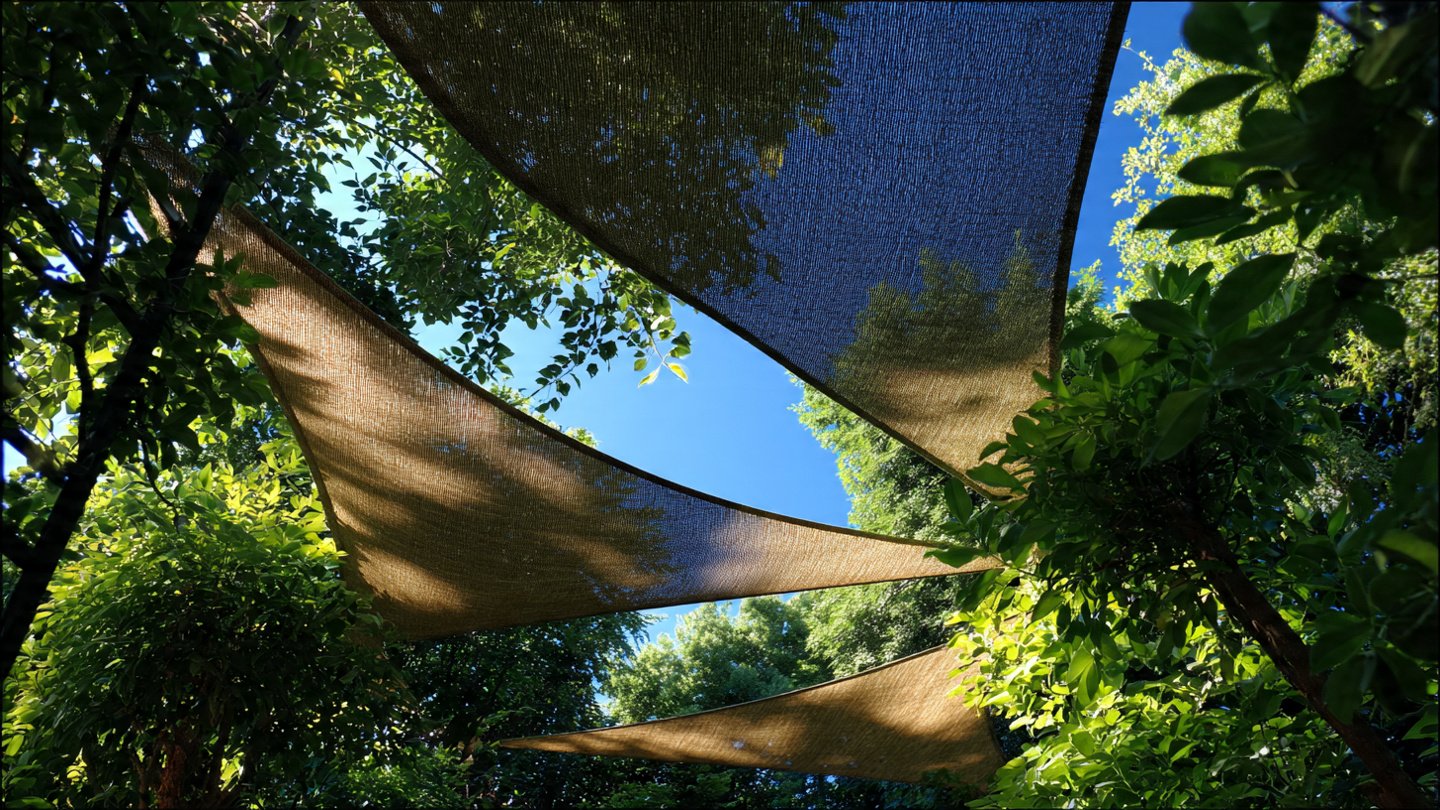
July is often the most challenging month for gardeners. Long days of blazing sun, soaring temperatures, and rapid moisture loss can turn a thriving garden into a stressed and struggling space almost overnight. While sunlight is essential for plant growth, too much of it—especially during peak summer heat—can cause more harm than good. This is where shade cloth becomes an invaluable tool. Simple, affordable, and highly effective, shade cloth can protect your garden and help plants flourish even during the harshest summer conditions.
Understanding July Heat Stress in the Garden
During July, temperatures often rise beyond what many plants can comfortably tolerate. Prolonged exposure to intense sunlight can lead to leaf scorch, wilting, flower drop, and reduced fruit production. Even heat-loving vegetables such as tomatoes and peppers can suffer when temperatures exceed optimal levels.
Heat stress doesn’t just affect what you see above the soil. Underground, roots may struggle to absorb water efficiently when soil temperatures rise too high. This stress slows plant growth and weakens natural defenses, making plants more vulnerable to pests and disease. Shade cloth offers a practical solution by moderating the garden environment without eliminating sunlight altogether.
What Is Shade Cloth and How Does It Work?
Shade cloth is a woven or knitted fabric designed to filter sunlight rather than block it completely. It is typically made from durable materials that withstand outdoor conditions and comes in different shade percentages—commonly ranging from 30% to 70%.
The percentage indicates how much sunlight is blocked. For example:
- 30–40% shade is ideal for vegetables and herbs
- 50% shade works well for leafy greens and young seedlings
- 60–70% shade is suitable for delicate plants or ornamental flowers
By diffusing sunlight, shade cloth reduces heat intensity, lowers soil temperature, and creates a more stable growing environment.
Preventing Sun Scorch and Leaf Damage
One of the most visible benefits of shade cloth is protection from sun scorch. When leaves are exposed to excessive sunlight, they can develop brown, crispy edges or pale blotches. This damage reduces the plant’s ability to photosynthesize efficiently.
Shade cloth acts as a buffer between plants and the harsh midday sun. It softens light exposure, allowing plants to continue photosynthesis without suffering tissue damage. As a result, leaves remain greener, healthier, and more productive throughout the summer.
Conserving Moisture and Reducing Water Stress
July heat accelerates evaporation, causing soil to dry out quickly. Frequent watering may seem like the solution, but excessive watering can lead to nutrient leaching and shallow root development.
Shade cloth significantly slows evaporation by keeping soil temperatures cooler and reducing direct sun exposure. Moisture stays in the soil longer, allowing roots to absorb water more effectively. This not only reduces watering frequency but also encourages deeper, stronger root systems that improve plant resilience.
Improving Flowering and Fruit Set
High temperatures can interfere with pollination and fruit formation. Many plants drop flowers when stressed by heat, resulting in poor yields. Shade cloth helps maintain temperatures within a favorable range, allowing flowers to remain viable and encouraging consistent fruit development.
Vegetables like cucumbers, beans, and squash often produce more evenly and for longer periods when protected from extreme heat. By stabilizing the growing environment, shade cloth directly contributes to higher productivity.
Protecting Young Plants and Transplants
Seedlings and newly transplanted plants are especially vulnerable during July. Their shallow root systems struggle to cope with heat and water loss, making them prone to failure.
Using shade cloth during the first few weeks after planting provides gentle protection while roots establish. Once plants are stronger, the cloth can be adjusted or removed as needed. This flexibility makes shade cloth an excellent tool for gardeners who stagger plantings throughout the summer.
Supporting Beneficial Soil Life
Healthy soil is alive with beneficial organisms that help plants absorb nutrients and resist disease. Extreme heat can disrupt this underground ecosystem by killing microbes and earthworms or driving them deeper into the soil.
By moderating soil temperature, shade cloth helps preserve microbial activity and soil structure. This leads to better nutrient availability, improved soil health, and stronger plant growth over time.
Flexible and Easy to Use
One of the greatest advantages of shade cloth is its versatility. It can be installed over garden beds, raised beds, hoop houses, or simple frames made from wood or PVC. Some gardeners even drape shade cloth directly over plants during peak heat hours.
Shade cloth can also be temporary. You might only use it during the hottest weeks of July, removing it once temperatures stabilize. This adaptability allows gardeners to respond quickly to changing weather conditions without making permanent alterations.
Choosing the Right Shade Cloth for Your Garden
Selecting the appropriate shade level is key to success. Too much shade can limit photosynthesis, while too little may not provide adequate protection. Observe your plants and local climate conditions to determine what works best.
Dark-colored shade cloths absorb more heat, while lighter colors reflect sunlight and may keep areas cooler. Quality shade cloth should be UV-stabilized to ensure durability over multiple seasons.
Long-Term Benefits Beyond July
While shade cloth is especially valuable during July, its benefits extend into late summer and early fall. It can protect crops during heat waves, shield plants from sudden temperature spikes, and even reduce wind stress in exposed areas.
Gardeners who use shade cloth often report healthier plants, improved yields, and less stress overall. Rather than fighting the heat, shade cloth allows you to work with nature, creating a balanced environment where plants can thrive.
Final Thoughts
July doesn’t have to be the month when your garden merely survives. With the strategic use of shade cloth, it can continue to grow, produce, and remain vibrant despite intense heat. By reducing stress, conserving moisture, and protecting plants from harsh sunlight, shade cloth becomes an essential summer ally.
Whether you’re growing vegetables, herbs, or ornamentals, embracing shade cloth during the peak of summer is a smart, sustainable choice that supports healthier plants and more rewarding harvests.