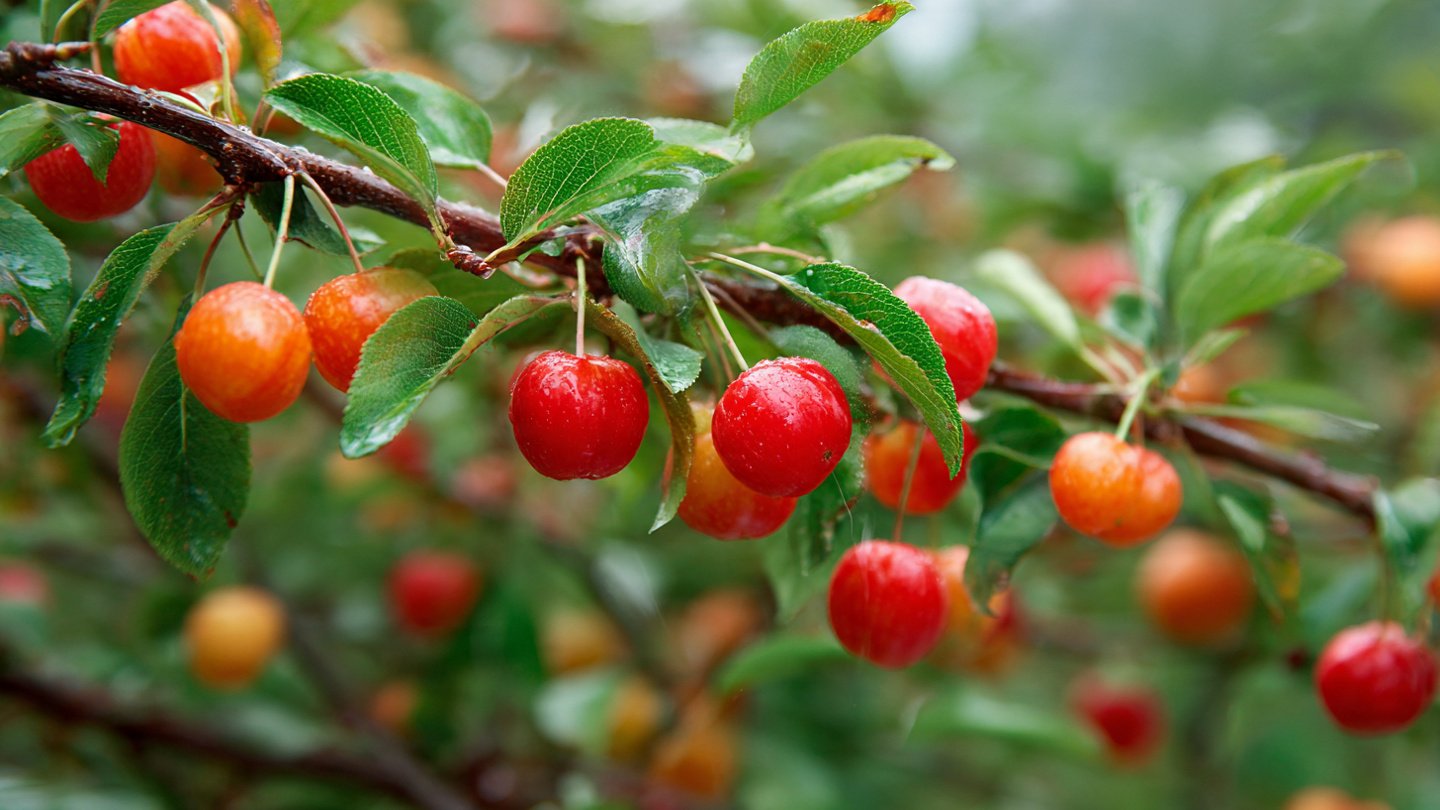
Fruit trees are a delight to any gardener, offering bountiful harvests of apples, peaches, pears, and more. But there’s a common mistake even experienced gardeners make: leaving every fruit on the tree to grow. While it might seem like more fruit equals more reward, the truth is that thinning your new fruit is essential for the health of your trees and the quality of your harvest. In this article, we’ll explore why thinning is important, how it benefits both the tree and the fruit, and practical tips to do it effectively.
Why Thinning Matters
1. Improves Fruit Size and Quality
When a tree sets too many fruits, each fruit competes for nutrients, water, and sunlight. This competition can result in smaller, less flavorful fruit. By thinning, you allow the tree to channel its energy into fewer fruits, which grow larger, sweeter, and more evenly colored.
Think of it as the tree’s natural way of prioritizing quality over quantity. For example, a peach tree with a crowded crop may produce many tiny, misshapen peaches, whereas thinning can yield perfectly round, juicy fruit.
2. Prevents Branch Damage
Fruit-laden branches can become extremely heavy, especially in apple, pear, or peach trees. Without thinning, these branches risk bending, cracking, or breaking under the weight. Thinning reduces stress on the tree, helping maintain structural integrity and prolonging the tree’s life.
Additionally, fewer fruits mean better airflow through the branches, which reduces the risk of fungal diseases like apple scab or powdery mildew.
3. Encourages Better Tree Growth
Trees invest a lot of energy into producing fruits. When a tree is overloaded, it often compromises its vegetative growth—the development of branches and leaves—which is essential for long-term productivity. Thinning balances the tree’s energy between producing fruit and sustaining healthy growth.
In other words, thinning ensures your tree remains strong and vigorous for future harvests, rather than burning out from overproduction.
4. Reduces Pest and Disease Pressure
A dense cluster of fruit can create a microenvironment that encourages pests and disease. Crowded fruits are harder to spray effectively and are more prone to rot. Thinning opens up the canopy, improving sunlight penetration and air circulation, which naturally helps protect your fruit from fungal infections and reduces the risk of insect infestations.
When to Thin Your Fruit
Timing is key when thinning fruit. For most fruit trees, the best time is early in the season, usually a few weeks after the blossoms have fallen and small fruit begins to form.
- Apple and Pear Trees: Thin when the fruits are roughly the size of a marble.
- Peach and Nectarine Trees: Thin when the fruits are about 1–2 inches long.
- Plums and Apricots: Thin when fruits are about the size of a grape.
Early thinning is preferable because it allows the tree to redirect resources to the remaining fruits while they are still developing. Late thinning might reduce the benefits and risk damaging the tree.
How to Thin Fruit Properly
Thinning is simple but requires attention to detail. Here’s a step-by-step guide:
- Identify Clusters: Look for clusters of fruits growing too close together.
- Choose the Strongest Fruits: Keep the healthiest, largest, and most evenly spaced fruits.
- Remove Excess Fruits: Use pruning shears or gently twist smaller fruits off. Aim to leave about 6–8 inches between each fruit, depending on the tree species.
- Step Back and Assess: Make sure fruits are evenly distributed throughout the tree, avoiding dense pockets.
It’s important not to remove more than 50% of the fruit at once, as this can shock the tree. Gradual thinning is usually safest, especially for younger trees.
Special Tips for Different Trees
- Apple Trees: Focus on removing fruits in clusters rather than single, well-placed fruits.
- Peach Trees: Often benefit from more aggressive thinning because peaches are highly energy-intensive to grow.
- Cherry Trees: Cherries are sensitive, so thin carefully, keeping the largest and most evenly spaced fruits.
- Citrus Trees: Thin only if fruits are extremely crowded; citrus naturally produces fewer fruits in a season.
Each type of tree has its nuances, so observing your trees year by year will help you perfect the technique.
Common Mistakes to Avoid
- Thinning Too Late: Once fruits are nearly mature, thinning has limited benefits.
- Over-Thinning: Removing too much fruit can lead to wasted energy and reduced yield.
- Ignoring Tree Health: Never thin unhealthy or stressed trees aggressively; focus on light thinning to avoid further stress.
- Neglecting Tools: Use clean, sharp tools to prevent damage or disease spread.
By avoiding these mistakes, you ensure the best outcome for both your harvest and your tree’s health.
Long-Term Benefits of Thinning
Thinning isn’t just about the current harvest—it sets the stage for future success. Benefits include:
- Consistent yearly yields without overtaxing the tree.
- Healthier branches and roots, making the tree more resilient to environmental stress.
- Larger, higher-quality fruit that may fetch better prices if selling or enhance the enjoyment for home use.
In short, thinning is an investment in your tree’s future productivity.
Conclusion
Thinning fruit is a gardener’s secret weapon for improving harvest quality, maintaining tree health, and preventing long-term damage. While it may seem counterintuitive to remove perfectly good fruit, the benefits far outweigh the initial sacrifice. By understanding when, how, and why to thin, you can enjoy bigger, sweeter, and healthier fruit year after year.
Remember: when it comes to fruit trees, less really can be more.