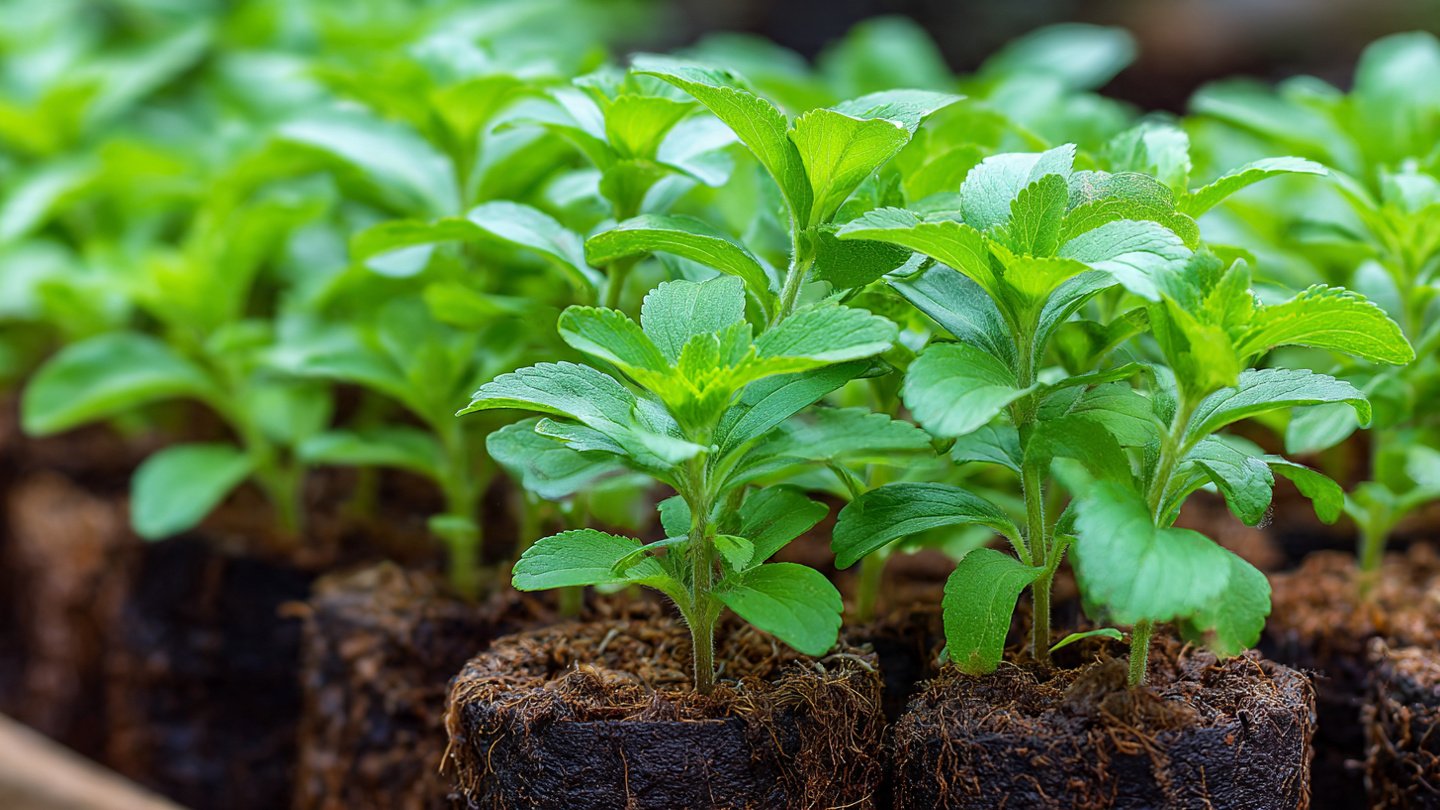
In an era where sugar overconsumption is linked to obesity, diabetes, and other health concerns, many people are looking for natural alternatives to traditional sweeteners. One of the most promising options is stevia, a plant known for its intensely sweet leaves that contain zero calories. While stevia extract is widely available in stores, growing your own plant at home offers a host of benefits—from superior freshness to complete control over your sweetener supply.
Learning to cultivate stevia can transform your kitchen, your health, and even your gardening experience. This guide explores why growing stevia is worth the effort, how it can improve your diet, and what you need to know to start cultivating it successfully.
What Is Stevia?
Stevia, scientifically known as Stevia rebaudiana, is a perennial plant native to South America. Its leaves contain natural compounds called steviol glycosides, which are hundreds of times sweeter than table sugar but contain virtually no calories. These compounds do not raise blood glucose levels, making stevia an excellent option for people managing diabetes or reducing sugar intake.
Key benefits of stevia include:
- Zero-calorie sweetness
- Blood sugar-friendly
- Stable in cooking and baking
- Naturally derived, with minimal processing
By growing stevia yourself, you access fresh leaves that can be used in teas, baked goods, smoothies, or even as a direct replacement for sugar in everyday recipes.
Why Grow Your Own Stevia?
There are several compelling reasons to cultivate stevia at home:
1. Control Over Quality and Purity
Store-bought stevia often comes as a processed powder or liquid, sometimes mixed with fillers or other sweeteners. Growing your own ensures that you know exactly what goes into your sweetener.
2. Freshness Matters
Fresh stevia leaves are sweeter and more flavorful than dried or processed alternatives. You can harvest them as needed for maximum sweetness.
3. Cost Savings
Once established, a single stevia plant can produce enough leaves to sweeten countless cups of tea, coffee, or recipes, saving money over store-bought extracts.
4. Garden Diversity
Stevia is a low-maintenance, attractive plant that complements other herbs in your garden, adding both greenery and functionality.
5. Sustainable and Eco-Friendly
Homegrown stevia reduces packaging waste and transportation emissions associated with commercially sold sweeteners.
Choosing the Right Growing Environment
Stevia is relatively easy to grow but thrives under specific conditions:
- Sunlight: Stevia prefers full sun but can tolerate light shade. Aim for at least 6 hours of sunlight per day.
- Soil: Well-draining, loamy soil with a slightly acidic to neutral pH (6.5–7) works best. Avoid heavy clay or waterlogged soil.
- Temperature: Stevia is sensitive to frost. It grows best in warm conditions (70–85°F / 21–29°C). In cooler climates, container planting allows you to move plants indoors during winter.
- Watering: Keep soil consistently moist but not soggy. Overwatering can cause root rot, while under-watering reduces leaf sweetness.
How to Grow Stevia Step by Step
1. Start from Cuttings or Seeds
Stevia can be grown from seeds, but cuttings or small plants usually produce faster results. Seeds require patience, as germination can be slow and erratic.
2. Planting
Plant stevia in well-prepared soil or a container. Space plants 12–18 inches apart to allow airflow and healthy growth.
3. Care and Maintenance
- Mulch to retain moisture and reduce weeds
- Fertilize lightly with balanced organic fertilizer or compost
- Pinch back growth occasionally to encourage bushy plants
- Remove any dead or yellowing leaves promptly
4. Container Gardening Tips
Stevia grows well in pots, making it ideal for balconies, patios, or indoor herb gardens. Choose a pot with drainage holes, and use high-quality potting soil enriched with compost.
Harvesting Stevia
The best flavor comes from leaves harvested just before flowering, as this is when steviol glycoside content is highest. Key tips include:
- Snip leaves in the morning after dew has dried
- Harvest no more than one-third of the plant at a time to ensure continued growth
- Dry leaves in a shaded, ventilated area for longer storage
- Crush or grind fresh or dried leaves for use as a sweetener
Home-harvested stevia can be stored in airtight containers for several months, or frozen for longer preservation.
Using Stevia in Your Diet
Stevia’s versatility makes it easy to incorporate into daily life:
- Beverages: Sweeten teas, coffee, or lemonade
- Baking: Replace sugar in recipes, adjusting for sweetness intensity
- Cooking: Add to sauces, dressings, or desserts
- Snacks: Mix with fruit or yogurt for a natural sweet treat
Unlike sugar, stevia does not promote tooth decay, making it a dental-friendly option as well.
Benefits Beyond Sweetness
Growing stevia provides additional advantages:
1. Healthier Lifestyle
Reducing sugar intake lowers the risk of obesity, diabetes, and other metabolic disorders. Fresh, homegrown stevia encourages healthier habits without sacrificing sweetness.
2. Educational and Therapeutic Value
Cultivating stevia is a rewarding gardening activity. It offers lessons in plant care, sustainability, and nutrition, while also reducing stress and promoting outdoor activity.
3. Pollinator-Friendly
Stevia flowers attract bees and other beneficial insects, supporting biodiversity in your garden.
Common Challenges and Solutions
While stevia is resilient, gardeners may encounter a few challenges:
- Cold Sensitivity: Move plants indoors or cover them during frost
- Pests: Aphids and whiteflies may attack leaves; use insecticidal soap or neem oil
- Leaf Bitterness: Leaves can become bitter if over-fertilized or stressed; maintain consistent moisture and moderate feeding
- Slow Growth from Seeds: Cuttings or nursery plants provide faster and more reliable growth
With attentive care, these issues are manageable, allowing stevia to thrive for multiple growing seasons.
Final Thoughts
Growing your own stevia is more than just producing a natural sweetener—it’s an investment in your health, your garden, and the environment. With minimal effort, you can enjoy fresh, calorie-free sweetness, reduce reliance on processed sugar, and even enhance biodiversity in your backyard or balcony garden. Annual harvesting ensures a constant supply, and the plant’s easy maintenance makes it suitable for both novice and experienced gardeners.
By cultivating stevia at home, you take control of your diet while contributing to a more sustainable and satisfying approach to gardening and nutrition. It’s a small step with big benefits—sweet, natural, and entirely yours.