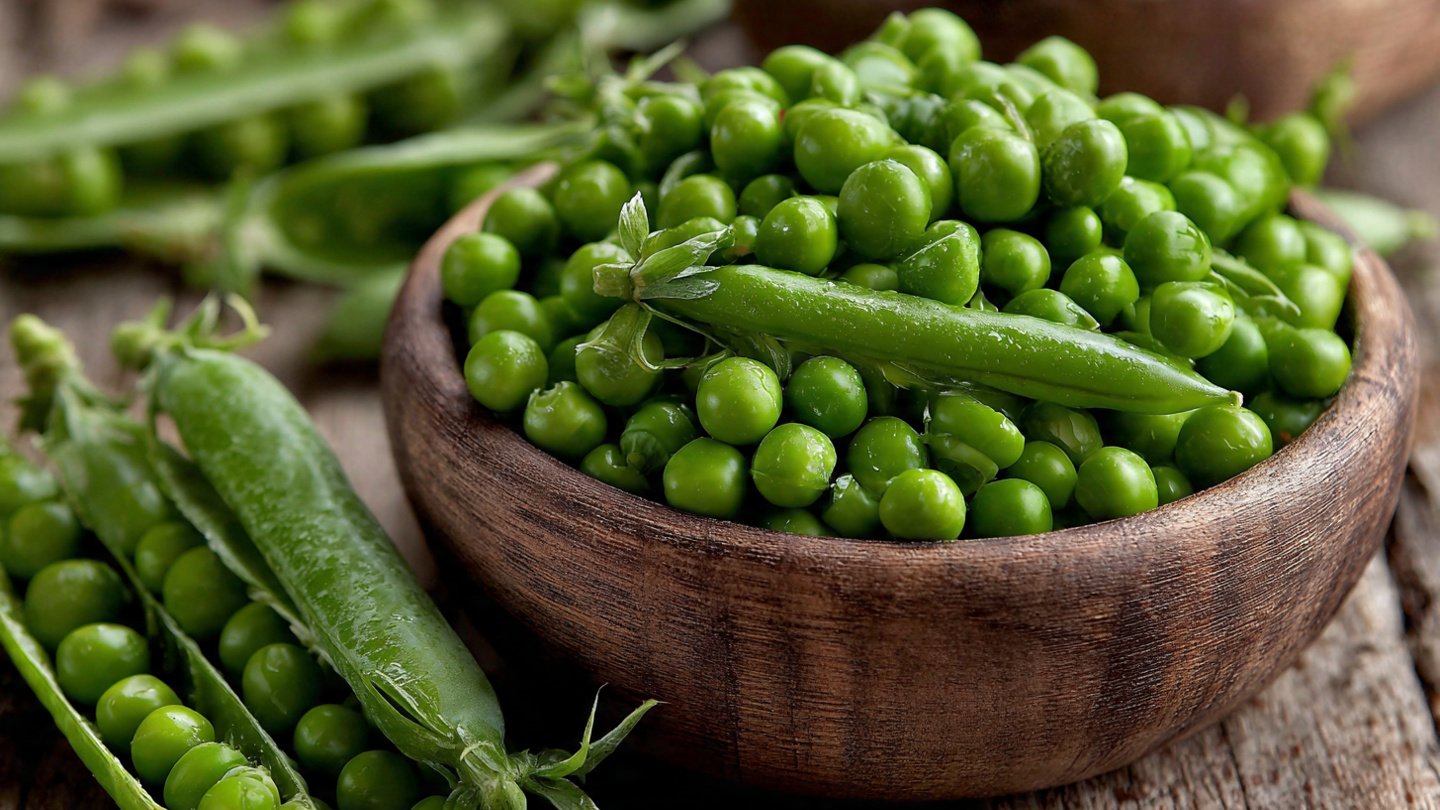
Fresh, crisp peas are a delightful addition to any salad, offering natural sweetness, a satisfying crunch, and a boost of nutrients. While store-bought peas are convenient, nothing compares to the flavor and quality of peas harvested straight from your own garden. Growing your own peas not only enhances the taste of your meals but also allows you to enjoy the satisfaction of homegrown produce.
This comprehensive guide explores why cultivating peas at home is beneficial, how to grow them successfully, and practical tips for harvesting and enjoying the freshest peas in your garden salads.
Why Grow Your Own Peas?
Growing peas at home has several advantages that make them a must-have in your garden:
- Superior Freshness: Homegrown peas can be harvested at peak ripeness, offering maximum flavor and texture. Store-bought peas often lose sweetness and firmness during transport and storage.
- Nutritional Benefits: Fresh peas are rich in vitamins A, C, K, and folate, as well as dietary fiber and protein. Growing your own ensures you get the full nutrient profile without preservatives.
- Cost-Effective: Seeds are inexpensive, and a small pea patch can produce a large harvest, reducing grocery bills.
- Environmental Sustainability: Growing peas reduces reliance on packaged foods, transportation emissions, and packaging waste.
- Gardening Enjoyment: Peas are fun and easy to grow, making them ideal for beginner gardeners and children.
By cultivating peas at home, you gain fresher produce, enhanced flavor, and the satisfaction of sustainable gardening.
Best Varieties of Peas for Salads
Different pea varieties suit different growing conditions and culinary uses. Some popular types for fresh salads include:
- Sugar Snap Peas: Crisp and sweet, these peas can be eaten whole, pods and all. Perfect for salads and snacking.
- Snow Peas: Flat pods with tender seeds, ideal for raw use in salads and stir-fries.
- Garden Peas (Shelling Peas): Classic peas with firm, sweet seeds. Pods are removed before eating.
- Peas with Early Maturity: Varieties like ‘Little Marvel’ or ‘Alaska’ mature quickly, allowing early harvests for salads.
Choosing the right variety ensures the best flavor, texture, and productivity in your garden.
Ideal Growing Conditions for Peas
Peas thrive in specific conditions that support strong growth and tender pods:
- Climate: Peas prefer cool weather, thriving in temperatures between 55–70°F. They can be planted in early spring or late summer for fall harvests.
- Soil: Well-draining, fertile soil enriched with compost promotes healthy root development. Peas grow best in slightly acidic to neutral soil (pH 6.0–7.0).
- Sunlight: Peas need full sun for at least 6 hours daily. Partial shade is acceptable but may reduce yield.
- Support Structures: Tall varieties require trellises, netting, or stakes to grow vertically and keep pods off the ground.
Providing optimal conditions ensures a productive, high-quality harvest.
Planting Peas for Maximum Freshness
Proper planting techniques are essential for strong growth and tender peas:
- Seed Preparation: Soak seeds in water for 12–24 hours before planting to encourage faster germination.
- Planting Depth: Sow seeds 1–2 inches deep, spaced 2–3 inches apart in rows or pockets along a trellis.
- Watering: Keep soil consistently moist until seeds germinate. Avoid waterlogging, which can cause root rot.
- Companion Planting: Plant peas near carrots, radishes, or lettuce to save space and improve soil health. Avoid planting near onions or garlic, which can inhibit growth.
These practices ensure healthy seedlings that will develop sweet, crisp pods for salads.
Caring for Your Pea Plants
Maintaining peas throughout the growing season is crucial for high-quality harvests:
- Watering: Water regularly, especially during flowering and pod formation, to prevent stress and tough pods.
- Fertilization: Use a balanced, low-nitrogen fertilizer to encourage pod production rather than excessive foliage. Organic options like compost tea or well-rotted manure work well.
- Mulching: Apply straw or shredded leaves around the base to retain moisture, regulate soil temperature, and suppress weeds.
- Pest and Disease Management: Peas can attract aphids, powdery mildew, and root rot. Inspect plants regularly, use organic insecticidal sprays when needed, and ensure proper spacing for airflow.
Healthy plants result in sweeter, more tender peas, perfect for salads.
Harvesting Peas for Optimal Flavor
Harvesting at the right time is essential for flavor, tenderness, and maximum nutritional value:
- Sugar Snap and Snow Peas: Pick pods when fully grown but still tender and crisp. Pods are edible, so harvest before seeds enlarge.
- Garden Peas: Shell peas when seeds are plump and sweet. Taste-test pods to ensure they are at peak sweetness.
- Frequency: Harvest every 2–3 days during peak production. Regular picking encourages continuous pod development.
- Storage: Fresh peas lose flavor quickly. Use them immediately in salads or blanch and freeze for later use.
By harvesting carefully, you maximize both taste and nutritional value.
Incorporating Fresh Peas into Salads
Freshly picked peas elevate any salad with their natural sweetness and crunch. Here are some ideas:
- Spring Garden Salad: Combine sugar snap peas with lettuce, radishes, cucumbers, and a light vinaigrette.
- Pea and Feta Salad: Mix peas with crumbled feta, cherry tomatoes, and fresh mint for a Mediterranean twist.
- Pasta Salad: Add blanched peas to pasta with olive oil, basil, and parmesan for a fresh, colorful dish.
- Raw Snacking: Enjoy sugar snap or snow peas as a crisp snack straight from the garden.
The freshness and flavor of homegrown peas enhance any dish, making salads more vibrant and satisfying.
Benefits of Growing Peas Beyond Flavor
Growing peas at home offers more than taste:
- Soil Enrichment: Peas are legumes, meaning they fix nitrogen in the soil, improving fertility for future crops.
- Pollinator Attraction: Pea flowers attract bees, which help pollinate other plants in your garden.
- Educational Experience: Growing peas teaches children and beginners about gardening, plant life cycles, and sustainable food practices.
- Physical and Mental Wellness: Gardening provides exercise, reduces stress, and promotes healthy outdoor activity.
By cultivating peas, gardeners create a more sustainable, engaging, and productive garden ecosystem.
Tips for Year-Round Pea Production
- Succession Planting: Sow seeds every 2–3 weeks during the growing season to ensure a continuous supply of fresh peas.
- Use Cold Frames or Row Covers: Extend the growing season and protect plants from late frosts.
- Rotate Crops: Avoid planting peas in the same spot every year to prevent soil-borne diseases and nutrient depletion.
- Interplanting: Grow peas alongside early spring or late summer vegetables to maximize garden space.
Consistent planning and care result in a near-continuous harvest for salads all season long.
Final Thoughts
Growing your own peas is an easy, rewarding way to elevate the flavor, nutrition, and freshness of your garden salads. From sugar snap to snow peas, these versatile vegetables offer crisp texture, natural sweetness, and essential nutrients. By planting, caring for, and harvesting peas carefully, you can enjoy the ultimate satisfaction of homegrown produce while supporting soil health and sustainable gardening practices.
Fresh peas from your own garden not only taste better than store-bought options, but they also bring numerous benefits—from improved soil fertility to pollinator attraction and hands-on gardening enjoyment. Incorporating homegrown peas into salads creates vibrant, flavorful dishes that highlight the true potential of your backyard oasis.
With a little planning, attention, and care, you can transform your garden into a lush, productive space that delivers fresh, tender peas for salads throughout the season, ensuring both flavor and nutrition in every bite.