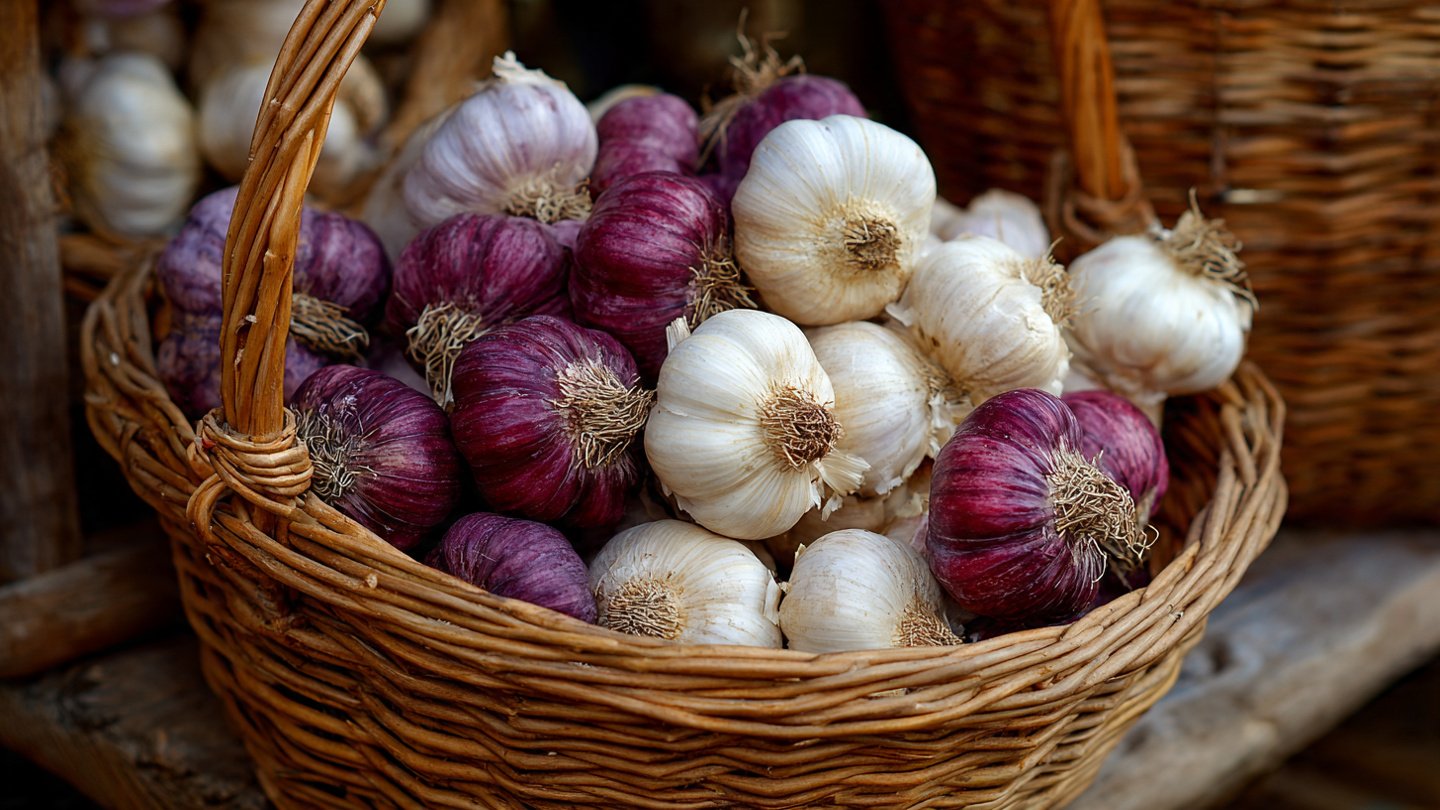
Garlic is often celebrated as a culinary staple, but its benefits extend far beyond flavoring your meals. For centuries, garlic has been revered for its medicinal properties, from boosting immunity to supporting heart health. While store-bought garlic is widely available, growing organic garlic at home provides unparalleled freshness, nutritional value, and control over cultivation practices. If you’ve ever considered growing your own food, garlic is one of the easiest and most rewarding crops to start with.
The Health Benefits of Garlic
Garlic is rich in sulfur-containing compounds, most notably allicin, which is responsible for many of its health-promoting properties. Some of the well-documented benefits include:
- Immune System Support: Garlic can help strengthen the immune system, making it easier for the body to fight off infections, colds, and flu.
- Cardiovascular Health: Studies have shown that garlic may help lower blood pressure, reduce cholesterol levels, and improve circulation.
- Antioxidant Effects: Garlic contains antioxidants that help combat oxidative stress, protecting cells from damage and supporting longevity.
- Anti-inflammatory Properties: Regular consumption of garlic can reduce inflammation in the body, which is associated with many chronic diseases.
- Digestive Health: Garlic encourages the growth of beneficial gut bacteria while combating harmful pathogens.
By growing garlic organically at home, you maximize these benefits because you control the growing conditions, avoiding pesticides and chemical fertilizers that can diminish nutritional content.
Why Choose Organic Garlic?
Organic garlic is cultivated without synthetic pesticides, herbicides, or chemical fertilizers. This approach has several advantages:
- Reduced Chemical Exposure: You know exactly what’s in your garlic, which is especially important if you consume it raw for health benefits.
- Better Taste: Many gardeners report that home-grown organic garlic has a richer, more complex flavor than store-bought varieties.
- Nutrient-Rich Soil: Organic practices, such as composting and crop rotation, enhance soil fertility and nutrient content, which directly impacts the health benefits of the garlic bulbs.
- Environmental Sustainability: Organic cultivation reduces chemical runoff into waterways, supports pollinators, and promotes soil health.
Growing your own garlic ensures that every clove you eat is fresh, potent, and free from unwanted additives.
Choosing the Right Garlic Variety
Garlic is generally classified into two main types: hardneck and softneck. Each has distinct characteristics:
- Hardneck Garlic: Produces a flower stalk (called a scape) and has a strong, robust flavor. Ideal for colder climates, it usually stores for 3–6 months.
- Softneck Garlic: Does not produce a scape and tends to have a milder flavor. Softneck varieties store longer, often up to 9 months, making them a popular choice for long-term storage.
When selecting garlic for your home garden, consider your climate, storage preferences, and culinary needs. Organic seed garlic can be sourced from reputable suppliers or local farmers’ markets.
How to Grow Garlic at Home
Growing garlic is straightforward and doesn’t require a large garden space. Here’s a step-by-step guide:
- Timing: Garlic is usually planted in the fall, several weeks before the first frost. This allows the cloves to establish roots before winter. In milder climates, early spring planting is also possible.
- Soil Preparation: Garlic thrives in well-drained, fertile soil with plenty of organic matter. Mix compost or aged manure into the soil to boost nutrients.
- Planting Cloves: Break the garlic bulb into individual cloves, keeping the papery skins intact. Plant each clove pointy end up, about 2 inches deep and 4–6 inches apart.
- Watering: Keep the soil consistently moist but not waterlogged. Overwatering can cause bulbs to rot.
- Mulching: Apply a layer of straw or shredded leaves to retain moisture, suppress weeds, and protect the cloves during winter.
- Care and Maintenance: Garlic requires minimal maintenance. Occasionally weed the bed, remove any flower scapes if you want larger bulbs, and monitor for pests.
- Harvesting: Garlic is ready to harvest when the lower leaves turn brown while the upper leaves remain green. Carefully lift bulbs from the soil and allow them to cure in a cool, dry place for 2–3 weeks to maximize storage life and flavor.
Tips for Maximum Health Benefits
To get the most nutritional value from your home-grown garlic:
- Consume Raw When Possible: Crushing or chopping garlic activates allicin, the compound responsible for many health benefits. Add it to salads, dressings, or lightly sautéed dishes.
- Store Properly: Keep garlic in a cool, dry, well-ventilated area to prevent sprouting and maintain potency. Avoid refrigeration for long-term storage unless sprouts are forming.
- Use the Whole Bulb: Don’t discard small or imperfect cloves. They contain the same nutrients and can be used in cooking or medicinal preparations.
- Rotate Planting Sites: Avoid planting garlic in the same spot year after year to reduce disease risk and maintain soil health.
Potential Challenges and How to Overcome Them
While garlic is relatively easy to grow, some challenges may arise:
- Pests: Onion thrips, nematodes, and garlic bloat nematodes can affect growth. Growing organically requires natural pest control methods such as neem oil, beneficial insects, and crop rotation.
- Fungal Diseases: White rot and downy mildew can attack garlic. Ensure good air circulation, avoid overwatering, and plant in well-drained soil.
- Bolting: Hardneck garlic may produce flower stalks early, which can reduce bulb size. Remove scapes promptly to direct energy to bulb development.
With attention to detail and proper care, these challenges are manageable, and the rewards are well worth it.
Beyond the Kitchen: Additional Uses of Garlic
Growing garlic at home is not just about cooking. Garlic has versatile applications:
- Natural Remedy: Garlic can be used in teas, tinctures, or infused oils to boost immunity or soothe minor ailments.
- Pest Repellent: Garlic can deter insects and pests from your garden when used as a companion plant or homemade spray.
- Beauty and Skin Care: Garlic’s antimicrobial properties can help in topical treatments, although it should always be used cautiously on the skin.
By cultivating garlic organically, you have the flexibility to use it for both culinary and medicinal purposes without concern over chemical residues.
Conclusion
Growing organic garlic at home is an investment in health, flavor, and sustainability. The benefits of home-grown garlic go far beyond its delicious taste—its nutritional compounds, immune-boosting properties, and versatility make it a superfood worth cultivating. By planting your own garlic, you gain control over growing conditions, ensuring a clean, chemical-free harvest that can enhance your meals and overall well-being.
Whether you are a seasoned gardener or a beginner looking to grow your first crop, garlic is an easy-to-grow, rewarding choice. From planting in rich, organic soil to harvesting robust bulbs, the process is simple, fulfilling, and beneficial for both your health and your kitchen. Embrace the power of garlic and take a step toward better health by cultivating this remarkable plant right in your backyard.