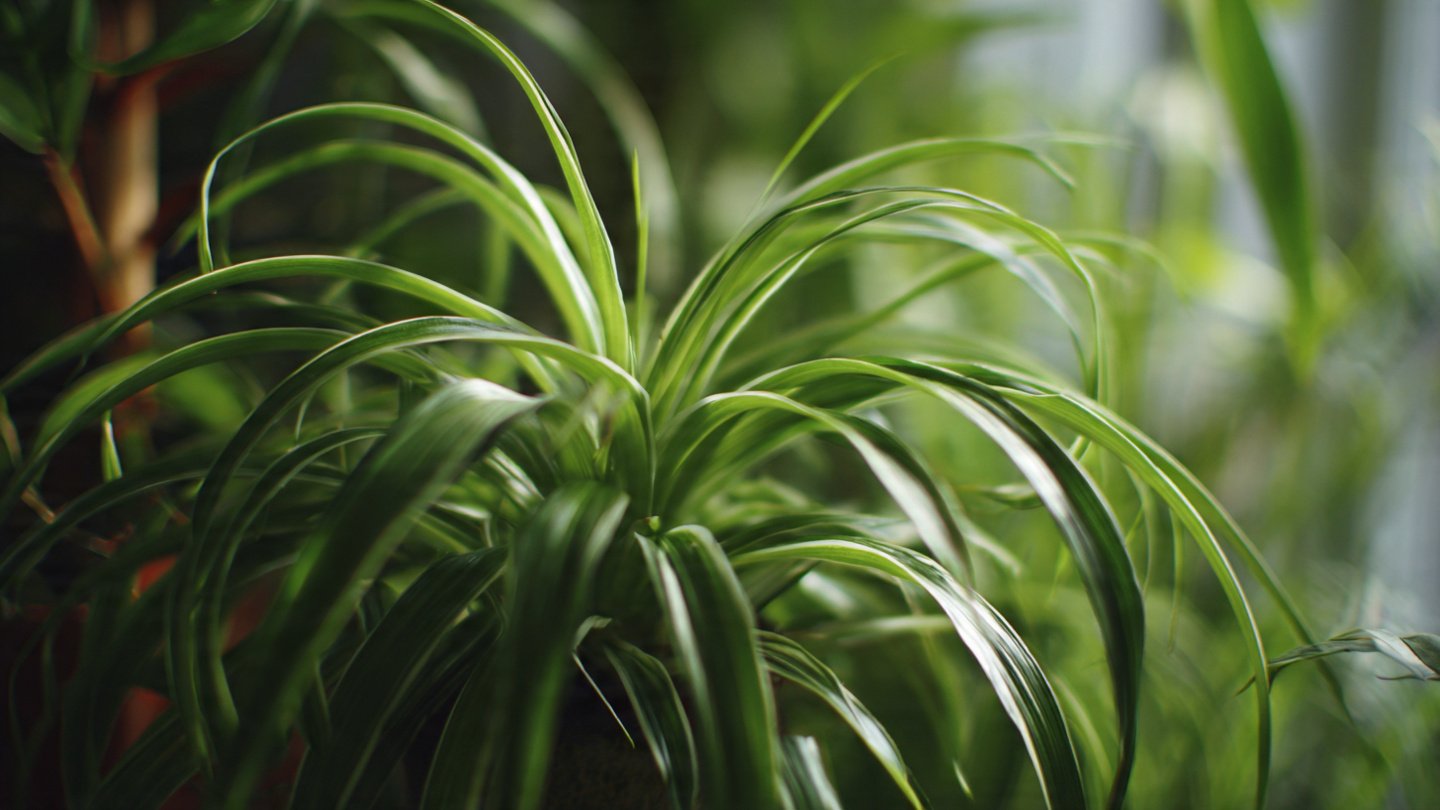
For both beginner and seasoned gardeners, indoor plants can bring life, beauty, and cleaner air into a home. Among the countless options available, one plant consistently stands out for its resilience, charm, and low-maintenance care: the spider plant. With its graceful arching leaves, prolific baby shoots, and remarkable tolerance to indoor conditions, the spider plant has earned its reputation as the easiest houseplant to grow. But what makes this plant so special, and why is it a favorite in homes worldwide?
A Natural Survivor
Spider plants (Chlorophytum comosum) are native to South Africa, where they thrive in a variety of conditions. This adaptability is one of the key reasons they flourish indoors. Unlike more delicate houseplants that demand precise light, humidity, or temperature, spider plants are forgiving. They tolerate low light, occasional neglect, and irregular watering, making them ideal for busy households or those new to indoor gardening.
Their hardiness means that even if you forget to water them for a few days, or your apartment lacks abundant sunlight, the spider plant will likely bounce back without a problem.
Easy to Propagate
One of the most fun and rewarding aspects of spider plants is their ease of propagation. They produce numerous offshoots, commonly called “spiderettes” or “pups,” which dangle from the parent plant on long stems. These spiderettes can be cut and planted in water or soil, quickly growing into independent plants.
For gardeners who enjoy sharing their green companions, this feature is perfect. A single spider plant can become dozens in just a few months, making it a living, renewable source of greenery for your home, friends, or family.
Low Maintenance, High Reward
Spider plants don’t require the meticulous attention that other houseplants demand. Here’s why they are considered low maintenance:
- Watering: Spider plants prefer slightly moist soil but can survive occasional drying out. Overwatering is more dangerous than under-watering, so letting the top inch of soil dry out between waterings is ideal.
- Light: They thrive in bright, indirect sunlight but adapt well to lower light conditions. A north-facing window is often sufficient.
- Soil: A standard potting mix is adequate, with no need for specialized soil. Well-draining containers help prevent root rot.
- Humidity and Temperature: Spider plants are adaptable to typical household temperatures and humidity levels. They tolerate fluctuations without stress.
The result is a thriving plant that doesn’t demand constant monitoring—perfect for newcomers or those with busy lifestyles.
Air Purifying Power
Spider plants don’t just look good—they also improve indoor air quality. NASA’s Clean Air Study highlighted their ability to filter common household pollutants such as formaldehyde and xylene. By absorbing toxins through their leaves and roots, spider plants help create a healthier indoor environment.
This natural air purification is an added bonus, giving homeowners an attractive plant that also contributes to overall wellness.
Resilience Against Pests and Disease
Unlike many indoor plants, spider plants are relatively resistant to pests and diseases. Occasional problems may include spider mites, aphids, or root rot if overwatered, but these issues are rare and easily managed. Their natural robustness allows them to recover quickly, unlike more sensitive species that may struggle at the first sign of trouble.
This resilience further solidifies their status as an easy-care plant, allowing you to enjoy the beauty of indoor greenery without constant worry.
Aesthetic Versatility
Spider plants offer both elegance and versatility. Their long, arching leaves and cascading baby plants create a dynamic, flowing look suitable for hanging baskets, decorative pots, or shelf displays. Some varieties feature striped white or cream accents, adding visual interest to any room.
The plant’s adaptability to different interior styles—from minimalist to bohemian, modern to traditional—makes it a universal favorite. Spider plants enhance indoor spaces while requiring minimal effort to maintain.
Fun for Families
Spider plants are also family-friendly. Their forgiving nature and prolific growth make them a great first plant for children learning to care for greenery. Kids can enjoy watering, observing the growth of spiderettes, and learning about plant life cycles. The visual appeal of dangling baby plants adds a sense of wonder and responsibility, fostering curiosity about nature indoors.
Encouraging Mindfulness and Well-Being
Caring for a spider plant can have subtle psychological benefits. The act of watering, pruning, and observing its growth encourages mindfulness and creates a calming routine. In addition, being around greenery has been shown to reduce stress, increase productivity, and improve mood. For these reasons, spider plants not only enhance physical spaces but also emotional well-being.
Thrives in Varied Conditions
Spider plants are tolerant of a wide range of indoor conditions. Whether your home is sunny or shaded, warm or cool, dry or moderately humid, this plant adapts. It thrives in apartments, offices, and even less-than-perfect corners of your home.
Their flexibility makes them ideal for almost any indoor environment. Even if conditions are less than optimal, spider plants often continue to grow, producing lush foliage and healthy baby plants.
Easy to Care for Over Time
Unlike some plants that require frequent re-potting, fertilizing, or pruning, spider plants remain relatively low-maintenance over the years. Light feeding every few months is sufficient, and re-potting is only necessary when the plant becomes root-bound. Regular trimming of dead leaves or overly long stems keeps the plant healthy without intensive labor.
This longevity and ease of care make spider plants a long-term companion that continues to reward your attention year after year.
Conclusion
Spider plants have earned their reputation as the easiest indoor plant to grow for a reason. They are resilient, adaptable, and forgiving, thriving in a variety of conditions while requiring minimal care. Their prolific baby plants make propagation simple, allowing a single plant to become a lush indoor garden. Beyond aesthetics, spider plants purify air, support emotional well-being, and offer an enjoyable, hands-on experience for families.
Whether you are new to indoor gardening or a seasoned plant enthusiast, adding a spider plant to your home is a decision you won’t regret. Its combination of beauty, durability, and ease of care makes it a perfect introduction to the joys of indoor greenery.