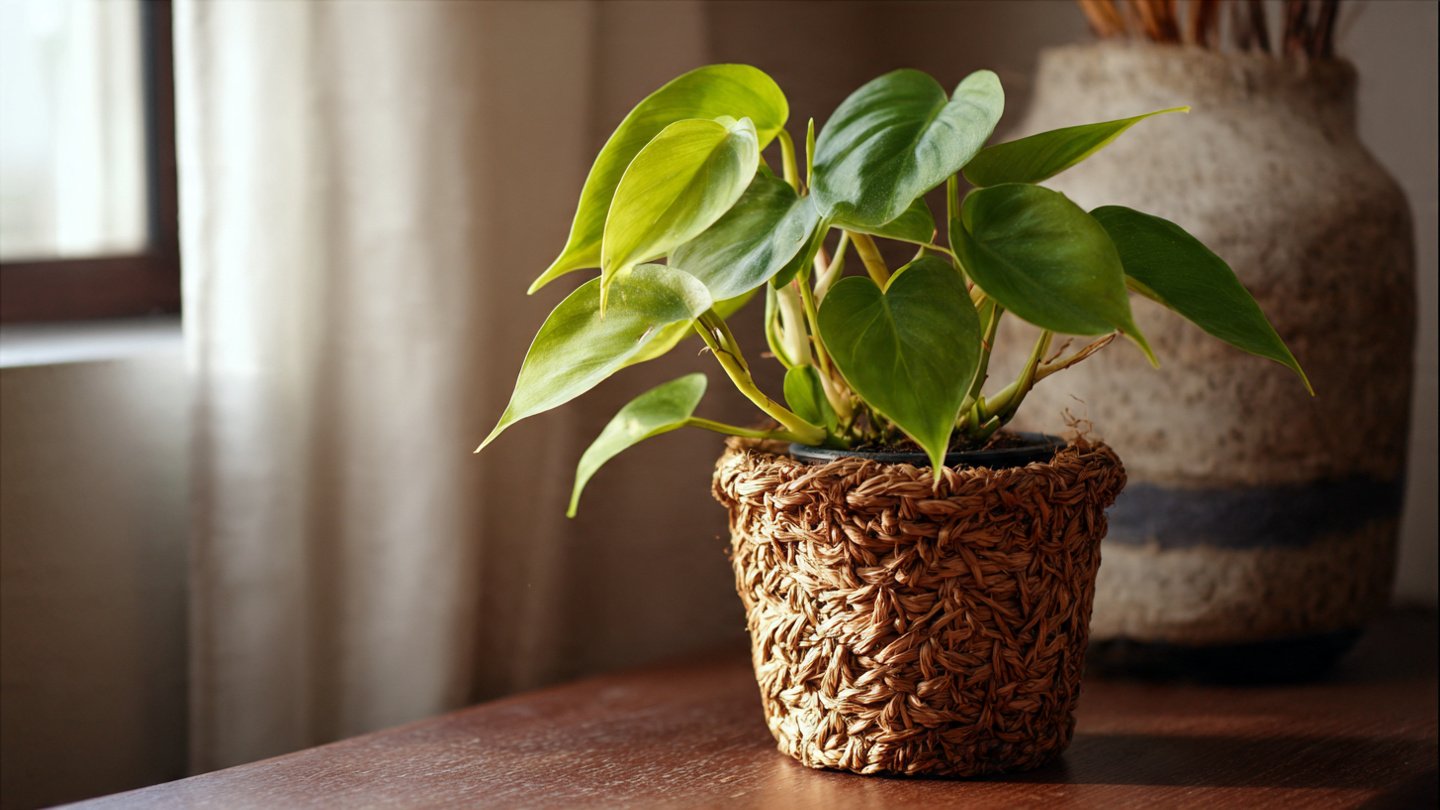
Philodendrons are among the most popular houseplants worldwide, and for good reason. With their lush foliage, striking forms, and forgiving nature, they are widely regarded as the ideal plant for beginners. Whether you are a first-time plant parent or looking to expand your indoor garden, philodendrons offer a combination of aesthetic appeal, low maintenance, and adaptability that makes them an excellent choice.
This comprehensive guide explains why philodendrons are perfect for beginners, covering their care requirements, growth habits, and the benefits they bring to your home.
Understanding Philodendrons
Philodendrons belong to the Araceae family and include hundreds of species, ranging from climbing vines to upright, bushy types. Their leaves vary in shape, size, and color—some are heart-shaped, others lobed, while some even display variegated patterns. Popular beginner varieties include the Heartleaf Philodendron (Philodendron hederaceum), the Split-Leaf Philodendron (Philodendron bipinnatifidum), and the Philodendron Brasil.
One of the defining traits of philodendrons is their resilience. These plants are naturally adapted to tropical understories, which means they thrive in indirect light, tolerate irregular watering, and can withstand occasional neglect—perfect for someone just starting their plant journey.
Why Philodendrons Are Beginner-Friendly
Several qualities make philodendrons ideal for novice plant owners:
- Low Maintenance: Philodendrons don’t demand constant attention. They grow well in typical indoor environments and are tolerant of minor care mistakes.
- Adaptability: They thrive in a wide range of light conditions, from bright indirect light to low light, making them suitable for bedrooms, offices, or living rooms.
- Forgiving Nature: Missed watering or temporary overwatering usually doesn’t kill the plant. Philodendrons can recover quickly from minor stress.
- Easy Propagation: Most philodendrons propagate easily from stem cuttings, allowing beginners to expand their indoor garden without buying new plants.
- Air Purification: Philodendrons improve indoor air quality by removing toxins like formaldehyde, adding a health benefit alongside beauty.
Choosing the Right Philodendron for Beginners
When selecting a beginner-friendly philodendron, consider the following varieties:
- Heartleaf Philodendron (Philodendron hederaceum): A trailing vine with heart-shaped leaves that grows quickly in pots or hanging baskets. It tolerates low light and irregular watering.
- Philodendron Brasil: A variegated version of the heartleaf, featuring bright green and yellow streaks. Its unique appearance adds visual interest while being easy to care for.
- Split-Leaf Philodendron (Philodendron bipinnatifidum): A larger, bushy plant with dramatic, lobed leaves, suitable for floor placement in spacious rooms. It thrives in moderate to bright indirect light.
- Philodendron Xanadu: Compact, tropical foliage that grows well in medium light and is ideal for tabletops or smaller spaces.
These varieties are forgiving and grow well in a wide range of indoor conditions, making them perfect for new plant parents.
Ideal Growing Conditions
Providing the right environment ensures your philodendron thrives:
- Light: Most philodendrons prefer bright, indirect light but can tolerate lower light levels. Avoid direct sunlight, which can scorch the leaves.
- Watering: Water when the top 1–2 inches of soil are dry. Overwatering can lead to root rot, while occasional missed watering is usually fine.
- Soil: Use well-draining potting mix enriched with organic matter. A mix of peat, perlite, and compost works well.
- Humidity: While philodendrons enjoy higher humidity, most varieties tolerate average indoor conditions. Misting occasionally or using a pebble tray can promote lush growth.
- Temperature: These tropical plants prefer temperatures between 18–27°C (65–80°F) and should be kept away from drafts or sudden temperature fluctuations.
Potting and Repotting
Philodendrons are adaptable to different pot sizes but appreciate a snug container for healthy growth. Repot when the roots start crowding the pot or when the soil becomes compacted. Typically, this occurs every 1–2 years. Choose a pot with drainage holes to prevent waterlogging, which is critical to maintaining healthy roots.
Easy Propagation for Beginners
One of the most enjoyable aspects of philodendrons is how easy they are to propagate:
- Stem Cuttings: Cut a healthy stem with at least one node and a few leaves. Place it in water or moist soil. Roots develop within a few weeks.
- Division: For bushier varieties, gently divide a mature plant at the root level and replant sections separately.
Propagation allows beginners to expand their indoor garden without additional cost, giving a rewarding sense of achievement.
Pest and Disease Management
Philodendrons are generally hardy, but common pests include aphids, spider mites, and mealybugs. Regularly inspect leaves and stems, and treat infestations with insecticidal soap, neem oil, or by wiping the leaves with a damp cloth. Overwatering can cause root rot or fungal issues, so proper drainage and careful watering are key preventive measures.
Styling Your Philodendron
Philodendrons are versatile and can be styled in various ways:
- Trailing: Place trailing varieties in hanging baskets or let them climb trellises and shelves.
- Potted Floor Plants: Larger varieties like split-leaf philodendrons make striking statement plants for corners or entryways.
- Tabletop Decor: Smaller varieties or propagated cuttings work beautifully on shelves, tables, or desks.
The lush greenery adds a calming, tropical vibe to any indoor space, making philodendrons both decorative and functional.
Benefits Beyond Beauty
Philodendrons aren’t just attractive; they provide multiple benefits:
- Air Purification: They help remove indoor pollutants like formaldehyde, improving overall air quality.
- Stress Reduction: Studies suggest indoor plants reduce stress, boost mood, and increase productivity, making philodendrons a perfect addition to home offices or bedrooms.
- Learning Opportunity: Beginners can gain confidence and experience in plant care without fear of losing a difficult plant.
Conclusion
Philodendrons are the perfect plant for beginners due to their resilience, adaptability, and aesthetic appeal. With minimal care requirements, forgiving nature, and easy propagation, they allow new plant enthusiasts to enjoy the satisfaction of nurturing a thriving indoor garden.
By choosing the right variety, providing proper light, water, and soil, and maintaining occasional pruning and pest management, even a novice gardener can successfully grow lush, healthy philodendrons.
Whether you’re decorating your home, improving air quality, or simply looking for a low-maintenance plant that brings joy, philodendrons offer an ideal combination of beauty, resilience, and ease—truly making them the beginner’s perfect plant.