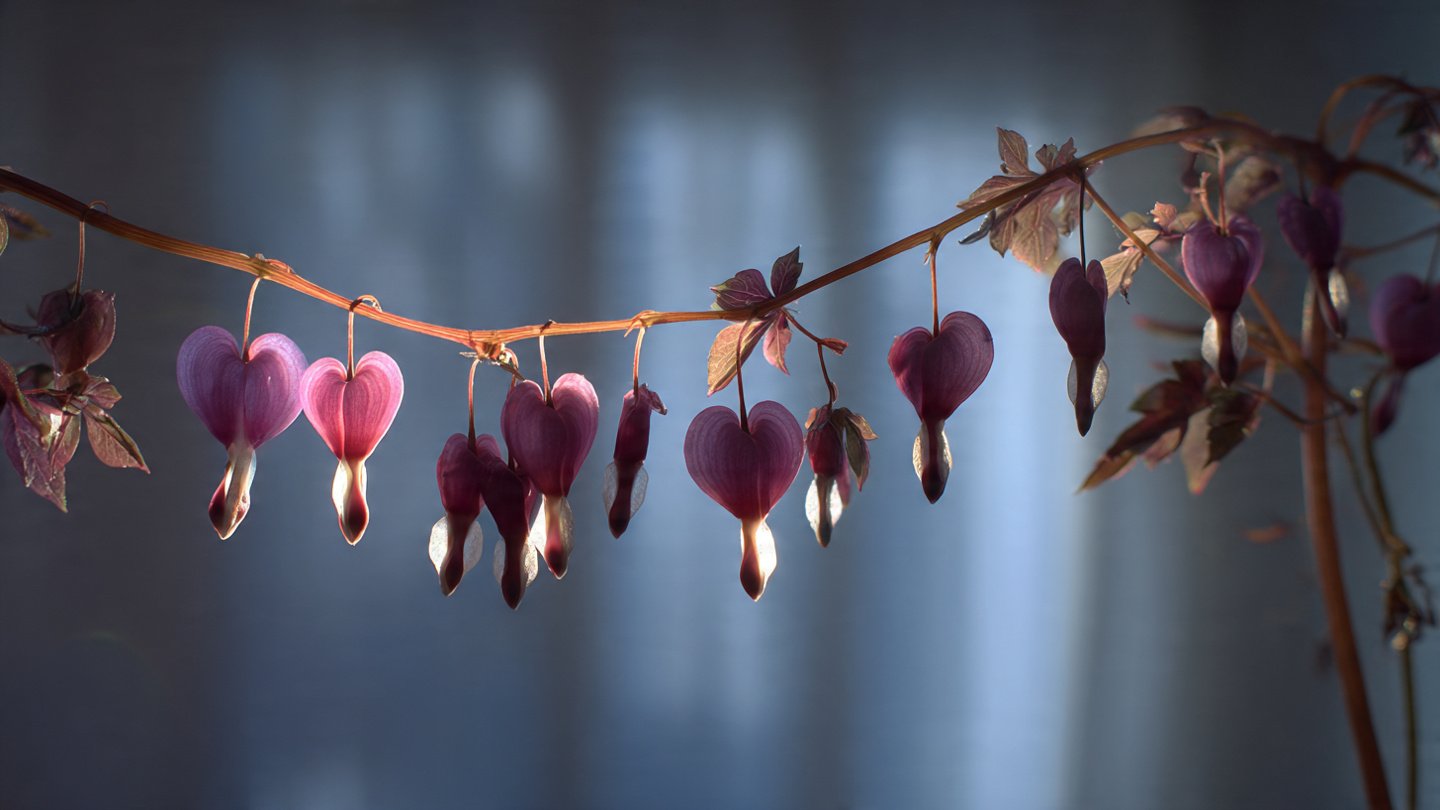
The String of Hearts is a beloved trailing succulent known for its delicate, heart-shaped leaves and long, cascading vines. Its charming appearance makes it a favorite for hanging baskets, shelves, and indoor planters. Yet many plant owners struggle with one frustrating problem: slow growth, pale leaves, or drooping vines. Often, the culprit isn’t soil, water, or fertilizer—it’s light.
While the String of Hearts can survive in moderate light, it truly thrives under bright, indirect sunlight. Providing the right lighting conditions transforms a struggling vine into a vigorous, vibrant display.
1. The String of Hearts’ Natural Habitat
Understanding the natural environment of the String of Hearts explains its light requirements. Native to South Africa, South Africa and nearby regions, this plant evolved in conditions with:
- Bright, filtered sunlight through taller vegetation
- Occasional shade during peak heat
- Open, well-draining soil
In its native habitat, the plant’s trailing stems grow long and healthy, and leaves display deep green and purple hues. Indoors, recreating these conditions ensures the plant remains healthy and blooms regularly.
2. Signs Your String of Hearts Needs More Light
Many owners underestimate how much light this succulent requires. Warning signs that your plant isn’t getting enough light include:
- Leggy growth: Stems stretch and leaves become sparse, reaching toward any available light source.
- Pale or washed-out leaves: The dark, vibrant green of healthy leaves fades.
- Slow growth: New vines appear weak or barely grow.
- Lack of blooms: String of Hearts produces small, fragrant flowers when happy, but poor lighting suppresses flowering.
These symptoms indicate your plant is surviving but not thriving.
3. The Science Behind Light Requirements
Photosynthesis is the foundation of plant health, and light is its fuel. The String of Hearts uses light to produce energy for:
- Leaf and stem growth
- Flowering
- Root development
In low-light conditions, energy production drops, forcing the plant to prioritize survival over beauty. The result is thin stems, sparse leaves, and slow growth. By increasing light exposure, you boost photosynthesis, which leads to fuller, healthier vines.
4. How Much Light Does Your Plant Really Need?
While adaptable, the String of Hearts performs best under bright, indirect light. Here’s what that looks like indoors:
- Near a south-facing window: Ideal in the northern hemisphere, with filtered sunlight to prevent scorching.
- East or west-facing windows: Morning or late afternoon light is sufficient if intense midday sun is blocked.
- Supplemental grow lights: If natural light is insufficient, LED or fluorescent grow lights can mimic bright, indirect sunlight.
Direct sunlight may scorch leaves, but too little light slows growth and weakens the plant.
5. Tips to Optimize Light Exposure
To ensure your String of Hearts thrives:
- Rotate the plant regularly: Rotating the pot every few weeks encourages even growth and prevents the vine from leaning toward the light.
- Use sheer curtains: Filter intense sunlight to prevent leaf burn while providing adequate brightness.
- Consider hanging placement: Position hanging baskets near well-lit windows to maximize exposure for all vines.
- Supplement with artificial light: A 12–14 hour light schedule with a full-spectrum LED ensures healthy growth in darker rooms.
Small adjustments in placement can dramatically improve the plant’s vitality.
6. Seasonal Adjustments
Light intensity changes with seasons, and your String of Hearts may need care adjustments:
- Winter: Reduced daylight may require moving the plant closer to windows or using grow lights.
- Summer: Long, intense sun can scorch leaves; ensure filtered light during peak hours.
- Autumn and Spring: Monitor new growth and adjust lighting as the sun’s angle changes.
Being proactive about seasonal light shifts prevents stress and keeps your vines thriving year-round.
7. Other Factors That Interact with Light
While light is the primary driver of growth, other factors also influence how your String of Hearts responds:
- Watering: Overwatering in low light can cause root rot, as the plant uses less energy and absorbs less water.
- Temperature: Cooler indoor temperatures in winter reduce energy usage, making adequate light even more critical.
- Fertilization: Bright light combined with occasional balanced fertilizer encourages fuller growth and more flowers.
A holistic approach ensures that improved lighting produces the best results.
8. Encouraging Flowering with Proper Light
One of the most exciting rewards of a well-lit String of Hearts is its delicate blooms. This plant produces tiny, tubular pink or purple flowers when its energy and light requirements are met. Bright, indirect light triggers flowering, while insufficient light prevents buds from forming. For indoor growers, maintaining optimal lighting conditions is the most reliable way to enjoy blooms.
9. Troubleshooting Low-Light Problems
If your plant is struggling despite being near a window:
- Assess light intensity: Use a light meter or smartphone app to measure brightness. A String of Hearts needs roughly 1000–2000 lux for optimal growth.
- Check for obstruction: Move furniture or curtains that block light.
- Supplement with grow lights: Especially effective during winter or in rooms with north-facing windows.
- Prune leggy vines: Encourage new growth by cutting back weak stems and redirecting energy to healthier sections.
These steps can rejuvenate a stressed plant and restore vigorous growth.
10. Final Thoughts
The String of Hearts is a resilient, trailing succulent that brings charm to any space. However, many owners unknowingly limit its potential by providing insufficient light. By understanding its natural requirements, observing its growth signals, and adjusting placement or supplemental lighting, you can unlock the plant’s full beauty.
A well-lit String of Hearts grows longer, fuller vines with vibrant leaves and delicate flowers—a true testament to the power of proper lighting. Paying attention to light needs not only enhances plant health but also ensures your indoor garden thrives all year round.