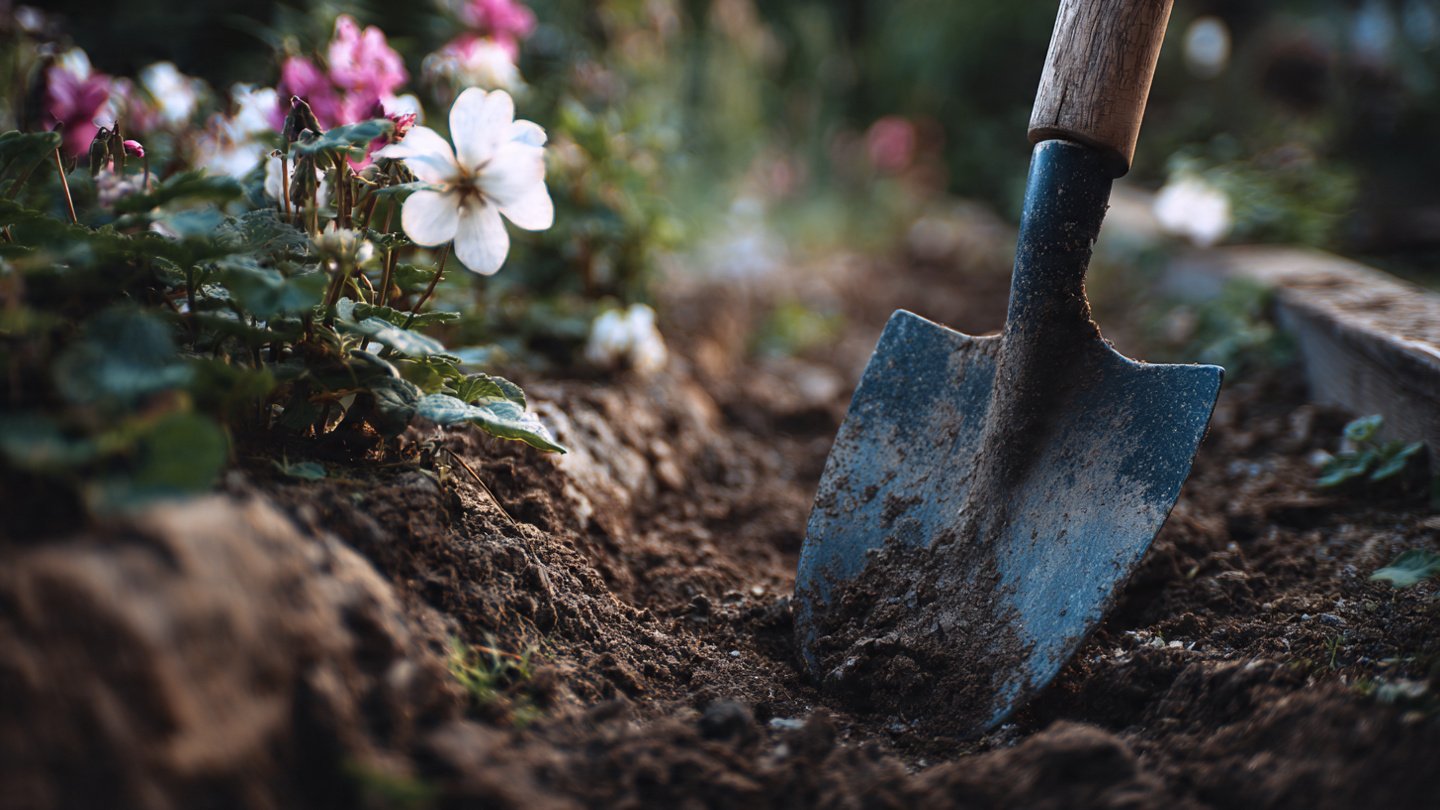
Gardening is one of the most rewarding hobbies, offering both physical activity and a connection with nature. However, for many gardeners—especially beginners—digging holes for plants, bulbs, or seeds can be tedious and physically demanding. Enter the garden spade: a simple, versatile tool that transforms the way you approach planting. Using a garden spade for holes not only saves time and energy but also improves the health of your plants by ensuring proper soil preparation and hole depth.
Understanding the Garden Spade
A garden spade is a tool designed with a flat, rectangular, or slightly rounded blade and a long handle, usually made of wood or fiberglass. Unlike a shovel, which is ideal for moving large quantities of soil, the garden spade is perfect for precise digging and cutting into compact soil. Its sharp edge allows gardeners to penetrate tough ground, slice through roots, and create clean, uniform holes for planting.
The simplicity of its design belies its effectiveness. A garden spade requires minimal maintenance and can be used in a variety of gardening tasks beyond hole digging, including edging garden beds, transplanting plants, and aerating soil.
Why Hole Digging Is Crucial in Gardening
Digging the right hole is a fundamental step in successful gardening. Improperly dug holes can stunt plant growth, reduce nutrient absorption, and cause water drainage issues. For example:
- Depth: Some plants require deep holes for their root systems, while others need shallow holes to avoid waterlogging.
- Width: The width of a hole influences root expansion. A narrow hole can restrict growth, while a wide hole allows roots to spread naturally.
- Soil Condition: Digging helps loosen compact soil, improving aeration and making it easier for roots to take hold.
Using a garden spade ensures that these factors are addressed efficiently. Its precise blade allows you to dig holes that meet the specific needs of each plant, whether it’s a delicate flower, a fruit-bearing tree, or a hardy vegetable.
Time-Saving Benefits
One of the most immediate benefits of using a garden spade for holes is the time saved. Compared to using a trowel, hands, or other improvised tools, a garden spade allows you to:
- Dig multiple holes quickly without fatigue
- Cut through tough or compact soil without repeated effort
- Reduce the need for additional tools like picks or mattocks
For gardeners managing larger plots or multiple plantings, these time savings can make a noticeable difference. A well-maintained garden spade can even reduce the number of breaks needed during long planting sessions, making gardening a more enjoyable experience.
Precision and Control
Unlike bulkier tools, the garden spade provides excellent control. Its narrow blade can target specific areas without disturbing surrounding plants or garden beds. This precision is particularly important when planting seedlings or delicate plants whose roots can easily be damaged.
The ability to control hole depth and width also contributes to uniform growth, ensuring each plant has adequate space and nutrients. For instance, planting bulbs too shallow or too deep can affect flowering, while shallow vegetable seedlings may struggle to establish roots. With a garden spade, these issues are minimized.
Reduced Physical Strain
Digging holes can be physically demanding, especially in hard or clay-rich soil. Using a garden spade helps reduce strain on the back, arms, and wrists. The long handle allows gardeners to use body weight to push the blade into the soil rather than relying solely on arm strength. This ergonomic advantage makes it easier for gardeners of all ages to perform planting tasks comfortably.
Additionally, because the spade cuts cleanly through soil rather than tearing it apart, there’s less resistance, which further reduces physical effort. This is especially helpful for those with limited mobility or those new to gardening.
Soil Health and Plant Growth
Properly dug holes not only make planting easier but also support healthy plant growth. Using a garden spade allows for:
- Looser soil: Roots penetrate more easily, absorbing water and nutrients efficiently.
- Improved drainage: Holes that are the correct depth and width prevent waterlogging, which can damage roots.
- Root aeration: Healthy soil structure encourages the development of strong, expansive root systems.
By preparing the soil correctly, gardeners create a strong foundation for plants to thrive. This is particularly important in vegetable gardens or flower beds where consistent growth and yield are essential.
Versatility Beyond Hole Digging
While the garden spade is ideal for digging holes, its utility extends far beyond that. Gardeners often use it for:
- Edging flower beds to create clean boundaries
- Dividing perennials or plants for propagation
- Transplanting small shrubs and plants
- Turning compost or preparing soil for new planting
This versatility makes the garden spade a must-have tool for any gardener, saving space and cost compared to owning multiple specialized tools.
Tips for Using a Garden Spade Effectively
To get the most from your garden spade, consider these tips:
- Choose the right size: A spade with a comfortable handle length and blade width will reduce strain and increase efficiency.
- Keep it sharp: Regularly sharpen the blade to cut through soil and roots easily.
- Use proper technique: Stand with your feet shoulder-width apart and use your body weight to press the blade into the ground.
- Prepare the soil: Watering or loosening very hard soil beforehand can make digging easier.
- Clean and maintain: After use, remove soil and debris from the blade to prevent rust and prolong the tool’s life.
By following these simple steps, gardeners can maximize the benefits of their spade while reducing effort and fatigue.
Conclusion
A garden spade is more than just a tool; it is a gardener’s ally. Using it for digging holes simplifies planting, reduces physical strain, and improves plant health. Its precision, versatility, and efficiency make it indispensable for beginners and experienced gardeners alike. By integrating a garden spade into your gardening routine, you not only save time and energy but also create optimal conditions for your plants to flourish.
For anyone serious about gardening, mastering the use of a garden spade is a small investment that yields big rewards—beautiful plants, healthier gardens, and a more enjoyable gardening experience overall.