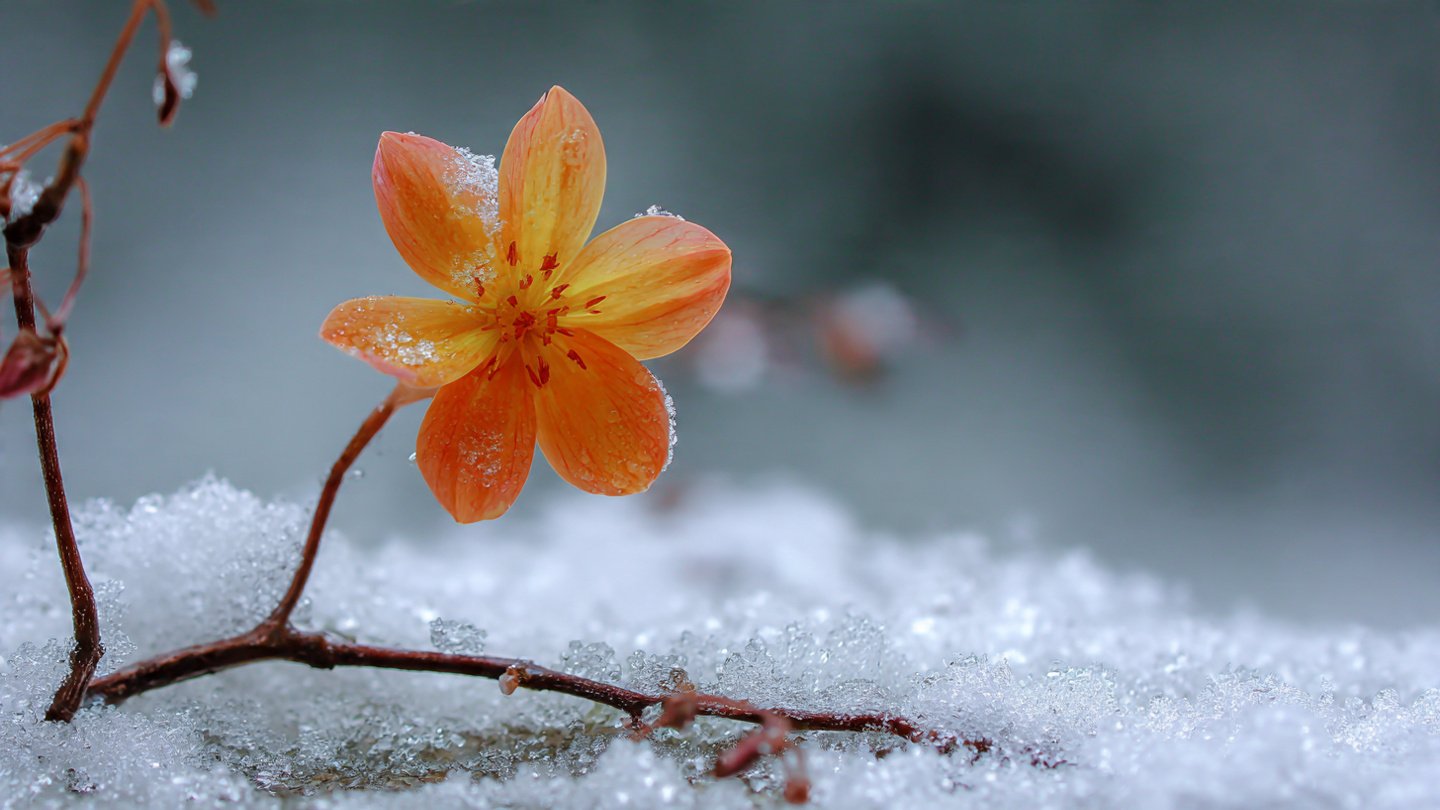
Winter often feels like a dormant season, a time when gardens rest under blankets of frost and snow. Yet, amidst the cold and muted colors, some flowers defy the season entirely. They bloom in icy conditions, bringing vibrant life and color when it’s needed most. But why do these hardy flowers bloom in the snow, and what makes them so special to gardeners and nature lovers alike?
The Miracle of Winter Bloomers
Flowers that bloom during winter are often called winter bloomers. Unlike spring or summer flowers that rely on warm temperatures and abundant sunlight, winter bloomers have adapted to thrive under frost, snow, and short daylight hours. Their ability to bloom in extreme conditions makes them remarkable, and their presence is a symbol of resilience and hope.
One of the most famous examples is the Hellebore, often nicknamed the “Christmas Rose” or “Lenten Rose.” This flower’s pale petals appear even in deep snow, signaling life and beauty in the darkest months. Other winter bloomers include Snowdrops, Witch Hazel, and certain varieties of Camellia.
Adaptations That Enable Winter Bloom
Winter-blooming flowers have developed unique adaptations to survive cold climates and limited sunlight:
- Antifreeze Compounds: Many winter bloomers produce natural compounds in their cells that lower the freezing point of water. This prevents ice crystals from damaging delicate tissues, allowing the plant to remain alive even under snow.
- Compact Growth Forms: Short stems and low-lying leaves help flowers stay insulated by snow and avoid wind damage. Being close to the ground provides a natural microclimate that is slightly warmer than the surrounding air.
- Early Bulbing: Some species, like Snowdrops, store energy in bulbs during warmer months. This stored energy allows them to sprout and bloom when other plants remain dormant.
- Cold-Resistant Flowering Mechanisms: Winter flowers often have thick petals or waxy coatings that prevent frost damage, while their buds can remain dormant until just the right conditions trigger blooming.
The Role of Daylight and Temperature
Winter bloomers are also finely tuned to seasonal cues:
- Shorter Days: While most plants slow down or stop growing with reduced daylight, winter bloomers respond to these signals by initiating flowering. Some species require a period of cold exposure, called vernalization, to trigger blooms.
- Temperature Fluctuations: Some flowers bloom after experiencing the first frost or snow, as cold temperatures trigger flowering hormones. This ensures that their bloom coincides with a time when competition for pollinators is minimal.
Pollination in Winter
Blooming in the snow may seem counterintuitive, since insects are scarce in cold months. Yet these flowers have adapted clever strategies for pollination:
- Self-Pollination: Some winter bloomers can self-pollinate, ensuring seed production even without insects.
- Early Pollinators: Certain hardy insects, such as winter-active bees, hoverflies, or small flies, are active during mild winter days. Winter flowers attract these pollinators with bright colors, scent, and early nectar.
- Visual Signals: The contrast of bright petals against snow makes flowers highly visible to the limited pollinators around, increasing the chances of reproduction.
Brightening Winter Landscapes
One of the most enchanting aspects of snow-blooming flowers is their ability to brighten winter landscapes. Their vibrant colors—whites, yellows, reds, and pinks—stand out against muted browns and whites, creating focal points in gardens and forests.
Gardeners particularly value winter bloomers for:
- Adding Color During Dormancy: Even a few Hellebores or Camellias can transform a gray winter garden into a lively display.
- Encouraging Wildlife: The flowers provide early food sources for insects, which in turn support birds and other animals.
- Seasonal Joy: For humans, winter blooms provide visual interest and a sense of hope, reminding us that life persists even in harsh conditions.
Cultural and Symbolic Significance
Flowers that bloom in the snow often carry symbolic meanings:
- Resilience and Strength: They remind us of perseverance during challenging times.
- Hope and Renewal: Their early blooms symbolize the promise of spring and the cycle of life.
- Festivity: Certain winter flowers, like the Christmas Rose, are intertwined with holiday traditions and celebrations.
Across cultures, these flowers have been celebrated in literature, art, and poetry for their extraordinary ability to thrive in adverse conditions.
Tips for Growing Winter Bloomers
If you want to enjoy these magical flowers in your own garden, here are a few practical tips:
- Choose the Right Species: Depending on your climate, select winter bloomers suited to local conditions. Hellebores, Snowdrops, Camellias, and Witch Hazel are excellent starting points.
- Plant in Well-Draining Soil: Winter flowers are often vulnerable to root rot if water accumulates. Ensure soil drains efficiently, even during snowmelt.
- Protect from Harsh Winds: Planting near walls or natural windbreaks can shelter flowers from cold gusts.
- Layered Planting: Combine winter bloomers with evergreen shrubs or ornamental grasses to provide additional protection and create a more dramatic visual effect.
- Minimal Maintenance: Many winter bloomers are hardy and low-maintenance. Remove dead foliage and monitor for pests, but avoid overwatering.
Inspiring Examples of Winter Blooms
- Snowdrops (Galanthus): Tiny white flowers that emerge even through snow, signaling the end of winter.
- Hellebores (Helleborus): Sturdy, long-lasting blooms in shades of white, pink, purple, or green.
- Witch Hazel (Hamamelis): Bright yellow or red blooms that appear on bare branches in late winter.
- Camellia sasanqua: Fragrant blooms in red, pink, or white, ideal for milder climates.
By combining these species, gardeners can achieve a continuous flow of color throughout the winter months.
Final Thoughts
The phenomenon of flowers blooming in the snow is more than a botanical curiosity—it is a testament to nature’s resilience and creativity. Winter bloomers remind us that beauty can exist even in the harshest seasons and that life continues to thrive despite challenges.
For gardeners and nature enthusiasts, planting these hardy species is a chance to bring joy, color, and life into a season often viewed as gray and dormant. Whether admired for their biological adaptations, symbolic significance, or aesthetic appeal, snow-blooming flowers are truly a wonder of the natural world.