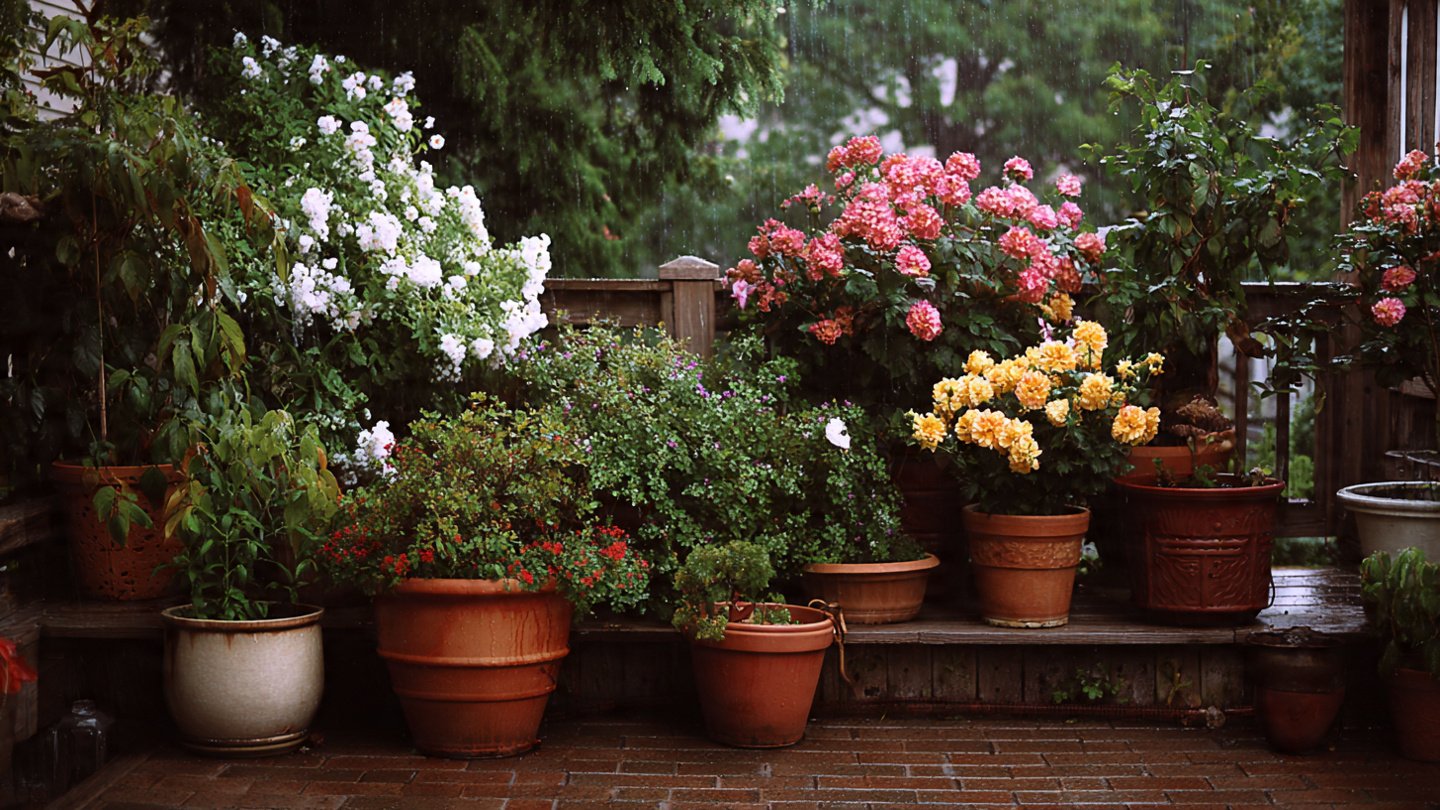
Potted flowers are a wonderful way to bring color, fragrance, and life into your home. They brighten windowsills, patios, and balconies, creating an inviting atmosphere. However, many gardeners overlook a key secret to healthy, vibrant potted plants: the great outdoors. Giving your flowers regular outdoor exposure isn’t just a nice idea—it’s essential for their growth, vigor, and overall well-being. Understanding why and how your potted flowers benefit from outdoor breaks can transform your gardening experience.
The Natural Advantages of Outdoor Exposure
Plants have evolved over millions of years to thrive in natural conditions. When potted flowers remain indoors for too long, they miss out on the environmental cues and resources that help them flourish. Outdoor exposure provides multiple advantages:
- Sunlight: Natural sunlight is the most effective source of energy for photosynthesis. Indoor lighting—even bright grow lights—often lacks the full spectrum needed for optimal growth. Sunlight not only fuels energy production but also promotes strong stems, vibrant blooms, and healthy foliage.
- Fresh Air: Outdoor air circulation strengthens plant tissue and reduces the risk of fungal diseases. Stagnant indoor air can encourage mold, mildew, and pests that thrive in confined spaces.
- Temperature Fluctuations: Slight variations in temperature between day and night mimic natural conditions, encouraging resilience and stimulating growth. Constant indoor temperatures can slow down metabolism and flower production.
- Humidity and Rain: Even brief outdoor exposure can provide moisture from ambient humidity or natural rainfall. This helps reduce water stress and mimics the plant’s natural watering patterns.
Stronger, Healthier Stems
Potted flowers often grow spindly indoors, especially if they are not receiving sufficient light. Outdoor exposure encourages stronger, sturdier stems for several reasons:
- Wind Movement: Gentle breezes make stems work harder to remain upright, naturally thickening and reinforcing plant tissue.
- Sunlight Direction: Exposure to full sun encourages uniform growth, reducing leggy or uneven stems caused by plants reaching toward artificial light sources.
Stronger stems not only improve the plant’s appearance but also support more blooms and longer-lasting flowers.
Enhanced Bloom Production
One of the most noticeable benefits of outdoor exposure is improved flowering. Many plants respond to natural light cycles, temperature shifts, and outdoor conditions by producing more blooms. For example:
- Geraniums and Petunias: Thrive under direct sunlight, producing larger and more colorful flowers.
- Begonias: Benefit from indirect outdoor light, which encourages healthy leaf growth and frequent flowering.
- Impatiens and Fuchsias: While preferring partial shade, even these flowers benefit from fresh air, which enhances bloom quality.
Outdoor conditions provide the cues plants need to shift from vegetative growth (leaves and stems) to reproductive growth (flowers and seeds), ensuring your potted flowers reach their full potential.
Stronger Root Systems
Outdoor exposure encourages healthier root development in potted plants. When placed outside, pots experience natural environmental variations—temperature, wind, and moisture—that stimulate roots to grow deeper and stronger.
- Drainage and aeration: Rainwater or outdoor watering ensures excess water drains effectively, preventing root rot and improving soil aeration.
- Soil health: Natural microbial activity in outdoor environments contributes to nutrient cycling, boosting root function and overall plant vitality.
A robust root system helps potted flowers survive periods of stress, resist pests, and thrive longer.
Boosting Natural Defenses
Indoor plants are often more vulnerable to pests and diseases due to limited air circulation, lack of UV light, and static conditions. Outdoor exposure strengthens natural defenses:
- Sunlight and UV: Moderate UV exposure can help prevent mold and fungal growth.
- Airflow: Moving air discourages pests like aphids and spider mites from establishing colonies.
- Environmental Hardening: Gradual outdoor exposure helps plants adapt to temperature changes and minor stressors, making them more resilient when brought back indoors.
By “training” your flowers outdoors, you reduce the likelihood of pests and improve long-term health.
Best Practices for Transitioning Potted Flowers Outdoors
To maximize benefits while protecting plants from shock, follow these steps:
- Gradual Introduction: Start with a few hours of outdoor exposure each day, gradually increasing over 1-2 weeks. This acclimates plants to sunlight, wind, and temperature changes.
- Location: Choose a spot suited to your flower’s light requirements. Full sun plants like petunias or marigolds do best in bright, direct sunlight, while shade-loving plants like impatiens prefer filtered light.
- Watering: Outdoor conditions can cause soil to dry faster. Check moisture levels daily and water as needed to prevent stress.
- Protection from Extreme Conditions: Avoid placing potted flowers outdoors during heavy rain, strong winds, or frost until they are fully acclimated.
- Observe and Adjust: Monitor for signs of sunburn (yellowing or scorched leaves) or dehydration and adjust placement or duration accordingly.
When Outdoor Breaks Are Most Beneficial
- Spring and Summer: Longer daylight hours and warmer temperatures make these seasons ideal for outdoor exposure.
- Early Morning and Late Afternoon: These times reduce the risk of intense midday sun, especially for sensitive plants.
- Before Blooming Season: Moving plants outdoors before they start flowering can stimulate bud development and enhance bloom quality.
Other Considerations
- Pot Material: Terra cotta and ceramic pots heat up quickly in direct sun, potentially stressing roots. Plastic or insulated pots may be better for sensitive plants.
- Pest Monitoring: Outdoor exposure may introduce new insects. Inspect plants regularly and use organic pest control if necessary.
- Rotation: Rotate pots occasionally to ensure even sunlight exposure and prevent lopsided growth.
Conclusion
Giving your potted flowers a break in the great outdoors is more than a treat—it’s essential for thriving, resilient plants. From stronger stems and healthier roots to more abundant blooms and natural pest resistance, outdoor exposure provides the environmental cues and resources that indoor settings often cannot replicate. By introducing your potted flowers gradually, providing proper care, and choosing appropriate locations, you can help your plants flourish, turning your patio, balcony, or garden space into a vibrant display of health and color.
Remember, nature knows best. Even the most pampered indoor plants crave a taste of sunlight, fresh air, and the gentle touch of a breeze. Allowing your potted flowers their outdoor moment not only enhances their vitality but also rewards you with a more beautiful, resilient, and fragrant garden.