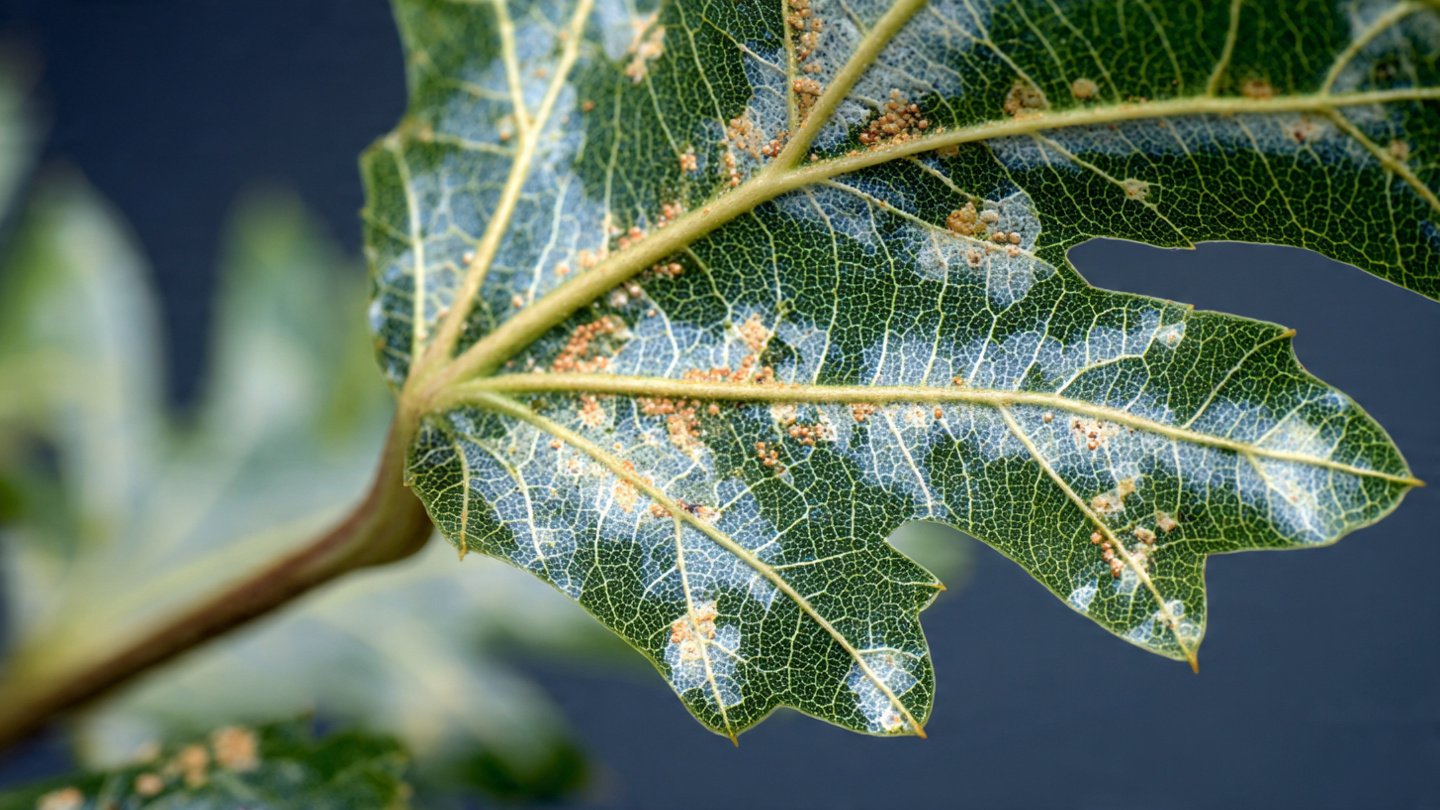
Gardening can be a rewarding experience, offering a chance to cultivate vibrant flowers, luscious vegetables, and healthy houseplants. However, one common challenge gardeners face is pest infestations. Among the tiny but destructive pests are thrips, which often go unnoticed until they have caused significant damage. One of the earliest signs of thrips infestation is the appearance of silver streaks or stippling on leaves. Understanding why these marks appear and how to manage thrips can save your plants from irreversible damage.
What Are Thrips?
Thrips are small, slender insects, usually less than 1/16 of an inch long, belonging to the order Thysanoptera. Despite their minuscule size, they are highly destructive due to their feeding habits. Thrips have piercing-sucking mouthparts that allow them to puncture plant cells and extract the sap. This feeding method causes damage to leaves, flowers, and fruit, often leading to stunted growth and discoloration.
Thrips can reproduce rapidly, with multiple generations occurring in a single growing season. Their ability to hide within flower buds, leaf crevices, and even under protective plant structures makes early detection challenging. Because they are so small and fast-moving, gardeners often notice the signs of damage before seeing the insects themselves.
Why Silver Streaks Appear on Leaves
The silver streaks or silvery speckles on leaves are a direct result of thrips’ feeding behavior. When thrips pierce the leaf tissue to feed on plant sap, they destroy the cells in the upper epidermis. As the chlorophyll in these cells is damaged or destroyed, light reflects differently off the affected areas, creating a characteristic silvery or shiny appearance.
This damage often appears as:
- Linear streaks: These are caused by thrips moving in a single direction while feeding.
- Speckled patches: Multiple thrips feeding in concentrated areas can cause speckling.
- Leaf distortion: In severe infestations, leaves may curl, crinkle, or develop a silvery sheen over a larger area.
The silvery discoloration is more noticeable in bright sunlight or on darker-colored leaves. Young leaves are particularly susceptible because they are tender and easier for thrips to penetrate.
Other Signs of Thrips Infestation
While silver streaks are a primary symptom, there are several other indicators of thrips presence:
- Black specks on leaves or flowers: These are thrips’ excrement and can help confirm their presence.
- Deformed flowers or buds: Thrips often feed on developing flowers, causing petals to become twisted or scarred.
- Stunted plant growth: Heavy feeding can inhibit normal growth and reduce overall plant vigor.
- Visible thrips: Inspecting leaves with a magnifying glass may reveal tiny, slender insects. They often appear yellow, brown, or black and move quickly when disturbed.
Plants Commonly Affected by Thrips
Thrips are not selective and can attack a wide variety of plants, including vegetables, ornamentals, and houseplants. Commonly affected plants include:
- Tomatoes, peppers, and cucumbers
- Roses and marigolds
- Orchid varieties
- Beans and leafy greens like spinach and lettuce
Understanding which plants are most vulnerable helps gardeners monitor for early signs of infestation and act promptly.
Environmental Factors That Favor Thrips
Thrips thrive in warm, dry conditions and can reproduce quickly in greenhouses or indoor gardens. Environments with poor air circulation, dust accumulation, or overcrowded plants are particularly conducive to thrips outbreaks. Maintaining proper plant spacing, cleaning leaves, and ensuring adequate airflow can help reduce the risk of infestation.
Preventing Thrips Infestation
Prevention is always preferable to treatment when it comes to thrips. Some effective strategies include:
- Regular inspection: Check the undersides of leaves, buds, and flowers weekly for signs of thrips or their damage.
- Clean planting material: Use certified pest-free seeds or seedlings to prevent introducing thrips to your garden.
- Companion planting: Certain plants, like garlic, onions, or marigolds, can repel thrips when planted nearby.
- Physical barriers: In greenhouses, fine mesh screens can prevent adult thrips from entering.
- Reflective mulches: These can confuse flying thrips and reduce their ability to locate host plants.
Managing Thrips Once Infestation Occurs
If thrips are detected early, infestations can often be managed with non-chemical methods:
- Pruning and removal: Remove and destroy heavily infested leaves or flowers to reduce thrips populations.
- Water sprays: A strong jet of water can dislodge thrips from plants, though this may need to be repeated frequently.
- Sticky traps: Blue or yellow sticky traps attract thrips and reduce adult populations.
- Biological control: Predatory insects, such as minute pirate bugs or predatory mites, can naturally reduce thrips numbers.
For severe infestations, targeted insecticidal treatments may be necessary. Horticultural oils, insecticidal soaps, or neem oil can be effective against thrips while being relatively safe for beneficial insects.
Monitoring and Long-Term Control
Even after treatment, continuous monitoring is essential because thrips can reproduce rapidly and reinfest plants. Maintaining plant health through proper fertilization, watering, and pruning reduces susceptibility to thrips and other pests. Rotating crops in vegetable gardens and keeping ornamental plants healthy also helps prevent recurring infestations.
Conclusion
Silver streaks on leaves are more than just an aesthetic concern—they are an early warning of a thrips infestation. By understanding how thrips feed, recognizing the signs of damage, and taking proactive steps for prevention and management, gardeners can protect their plants and maintain a thriving, healthy garden. Vigilance, combined with integrated pest management strategies, ensures that thrips remain a minor nuisance rather than a major problem.
Taking action at the first sign of silvery leaves can prevent widespread damage, safeguard yields, and preserve the beauty of ornamental plants. Remember, in gardening, attention to detail often makes the difference between success and loss—and spotting those subtle silver streaks is a crucial first step.