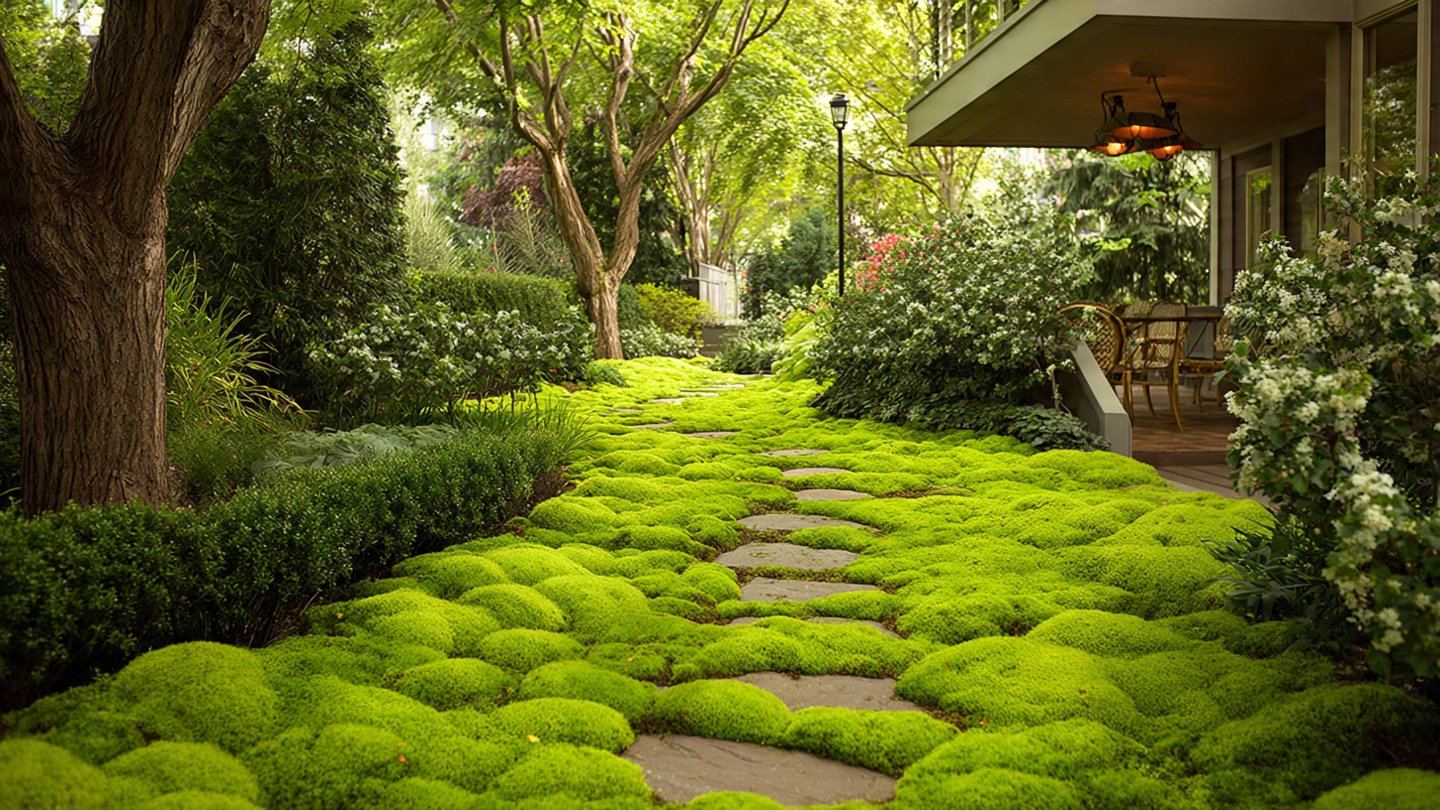
For generations, manicured grass lawns have been the symbol of a neat and inviting outdoor space. However, maintaining a traditional grass lawn often comes with significant costs—time, water, fertilizers, and constant mowing. Increasingly, gardeners and homeowners are discovering an alternative that offers both beauty and sustainability: moss lawns.
Replacing grass with moss may seem unconventional, but it brings surprising advantages for the environment, your wallet, and the overall health of your garden. Moss is low-maintenance, eco-friendly, and visually striking, making it an appealing choice for those who want a lush, green landscape without the challenges of traditional turf.
Low Maintenance for a Hassle-Free Lawn
One of the most compelling reasons to choose a moss lawn is its incredibly low maintenance requirements. Unlike grass, moss does not need mowing, fertilizing, or extensive watering. Once established, it grows slowly and uniformly, maintaining its velvety texture without regular trimming.
This simplicity is especially advantageous for homeowners with busy schedules or those who prefer spending time enjoying their garden rather than maintaining it. Moss lawns also require minimal equipment and effort, reducing the time and labor typically associated with lawn care.
Water Efficiency and Sustainability
Grass lawns are notoriously thirsty, often demanding frequent irrigation, especially during hot or dry seasons. Moss, by contrast, thrives in damp, shaded environments and absorbs water efficiently from rain, mist, or light watering. It requires far less supplemental irrigation than traditional lawns.
Choosing moss is a sustainable choice, particularly in regions facing water restrictions or droughts. By conserving water, moss lawns not only reduce utility bills but also lessen the environmental impact of maintaining a traditional grass lawn.
Soil Health and Erosion Control
Moss offers ecological benefits that go beyond appearances. Its dense growth helps stabilize soil, preventing erosion on slopes or uneven terrain. Moss also improves soil structure over time by retaining moisture and supporting beneficial microorganisms.
Unlike grass, which may require chemical fertilizers to thrive, moss grows naturally in nutrient-poor soils without additional inputs. This ability to thrive in less-than-ideal conditions makes it a resilient and eco-friendly groundcover option.
Aesthetic Appeal: Lush, Green, and Unique
Moss lawns provide a distinct aesthetic that traditional grass lawns cannot match. The soft, velvety texture and rich green hue of moss create a serene and inviting atmosphere. Its natural, almost woodland appearance is ideal for gardens designed to evoke tranquility and harmony with nature.
Moss also adapts well to different terrains, growing around rocks, pathways, and trees, giving your outdoor space a more organic and integrated feel. Many gardeners appreciate its quiet elegance, which complements Zen gardens, shaded garden corners, and naturalistic landscapes.
Shade Tolerance: Thriving Where Grass Struggles
Many shaded areas in gardens pose challenges for grass, which often becomes thin, patchy, or bare in low light. Moss, however, thrives in shade and prefers cool, moist conditions. Planting moss in areas where grass struggles can transform previously underutilized spaces into lush, green carpets.
This makes moss lawns particularly suitable for gardens with large trees, hedges, or structures that block direct sunlight. It allows homeowners to create consistently green, attractive spaces without forcing unsuitable grass varieties to grow under less-than-ideal conditions.
Environmental Benefits: Supporting Biodiversity
Moss lawns contribute to environmental health in subtle but meaningful ways. They create microhabitats for insects, worms, and other small organisms, supporting local biodiversity. Moss also helps regulate microclimates in gardens by keeping the soil cooler and more hydrated.
Additionally, moss absorbs carbon dioxide and can help improve air quality, making it a small but effective tool in sustainable landscaping. Its ability to support wildlife and reduce environmental stress makes it a smart choice for gardeners who prioritize ecological responsibility.
Resilience and Longevity
Unlike grass, which may be damaged by foot traffic, heat, or drought, moss is resilient under many conditions once established. Certain moss varieties can withstand light walking, while others are better suited to decorative areas. Its slow, steady growth ensures that the lawn remains green and healthy over the years with minimal intervention.
Furthermore, moss is less susceptible to pests and diseases that commonly afflict grass lawns. This reduces the need for chemical pesticides, supporting both environmental sustainability and the health of those who enjoy the garden.
Creative Landscaping Opportunities
Moss lawns offer creative possibilities that go beyond simple turf replacement. Gardeners can combine moss with stepping stones, pathways, and rock gardens to create visually striking landscapes. Its ability to grow in irregular spaces allows for artistic arrangements that would be difficult to achieve with grass.
Moss can also be used in vertical gardens, bonsai landscapes, or miniature fairy gardens, giving designers a versatile tool for creative, naturalistic aesthetics. Its unique texture and color contrast beautifully with stones, wood, and flowering plants.
Easy Establishment and Propagation
Establishing a moss lawn is relatively simple and can be done with a few key steps. Moss can be transplanted from existing patches, purchased from garden centers, or propagated using a slurry made of moss, water, and yogurt or buttermilk. Once placed in a suitable environment with adequate moisture and shade, moss will naturally adhere to soil, rocks, or pathways and slowly expand.
Unlike grass, which often requires seed germination, fertilizer, and consistent mowing, moss quickly establishes a low-maintenance, attractive green cover.
Conclusion
Moss lawns offer a remarkable alternative to traditional grass, combining beauty, sustainability, and practicality. Their low maintenance, shade tolerance, water efficiency, and ability to improve soil health make them an environmentally friendly and cost-effective choice for modern gardeners.
Beyond practicality, moss lawns bring a unique aesthetic that transforms ordinary gardens into tranquil, verdant retreats. They thrive in shaded and challenging areas, support local biodiversity, and provide creative landscaping opportunities that grass lawns often cannot match.
Choosing a moss lawn is more than just a gardening decision—it’s a lifestyle choice that emphasizes simplicity, sustainability, and harmony with nature. By replacing grass with moss, homeowners can enjoy a lush, serene landscape with fewer demands on their time, water, and resources. In an era where sustainable gardening practices are increasingly valued, moss lawns provide an elegant, practical, and environmentally responsible solution for every garden.