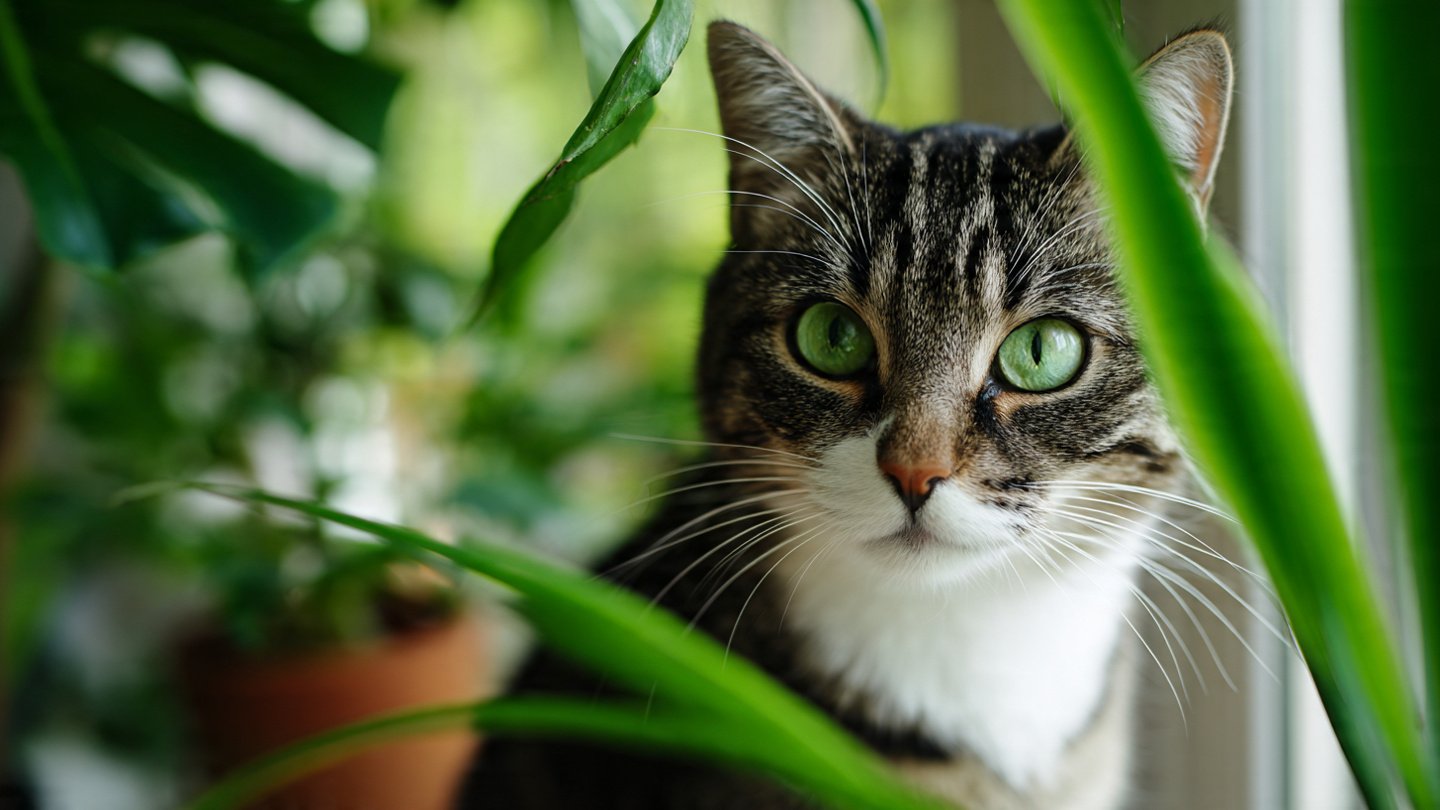
Indoor plants bring life, beauty, and freshness to our homes. From lush ferns to flowering orchids and glossy pothos, these green companions enhance décor and improve air quality. However, not all houseplants are harmless. For pet owners, certain indoor plants can pose serious risks to cats, dogs, and even smaller pets like rabbits or birds. Many of these dangers are hidden, as pets often nibble on leaves, chew stems, or play around potted plants, exposing themselves to toxic compounds.
Understanding which plants are hazardous, how they affect pets, and how to prevent accidental poisoning is essential for maintaining a safe home environment. This guide explores why some indoor plants are a hidden threat to pets, common toxic species, symptoms of poisoning, and practical strategies to protect your furry and feathered friends.
Why Some Indoor Plants Are Toxic to Pets
Plants produce chemical compounds as a defense mechanism against herbivores, pests, or diseases. While these compounds protect plants in nature, they can be harmful—or even lethal—to pets when ingested or touched. Toxic compounds in indoor plants include:
- Alkaloids: Found in plants like philodendron and dieffenbachia, these compounds can irritate the mouth, throat, and digestive system.
- Oxalates: Needle-like crystals in plants such as pothos and peace lily cause intense oral irritation and drooling.
- Saponins: Present in plants like aloe vera and agave, saponins can lead to vomiting and gastrointestinal upset.
- Glycosides: Found in plants like kalanchoe or oleander, these affect the heart and can cause serious complications.
Even small amounts of some toxic plants can harm pets, making it crucial to identify and manage these hidden threats in your home.
Common Indoor Plants That Pose Risks
Here are some popular indoor plants that are potentially dangerous to pets:
1. Peace Lily (Spathiphyllum)
- Toxic Compound: Calcium oxalate crystals
- Symptoms: Drooling, mouth irritation, difficulty swallowing, vomiting
Peace lilies are attractive with their white blooms, but ingestion can be painful for cats and dogs.
2. Philodendron
- Toxic Compound: Insoluble calcium oxalates
- Symptoms: Oral irritation, pawing at the mouth, vomiting
Common in hanging baskets or office spaces, philodendrons are easy for curious pets to nibble.
3. Pothos (Devil’s Ivy)
- Toxic Compound: Calcium oxalates
- Symptoms: Drooling, oral irritation, vomiting
Pothos is hardy and popular, but all parts of the plant are toxic if chewed.
4. Aloe Vera
- Toxic Compound: Saponins
- Symptoms: Vomiting, diarrhea, lethargy
While aloe gel is beneficial for humans, pets may experience digestive upset from ingesting the leaves.
5. Snake Plant (Sansevieria)
- Toxic Compound: Saponins
- Symptoms: Nausea, vomiting, diarrhea
Snake plants are low-maintenance and stylish, but ingestion can lead to gastrointestinal discomfort.
6. Caladium and Dieffenbachia
- Toxic Compound: Insoluble calcium oxalates
- Symptoms: Oral irritation, swelling, drooling, difficulty swallowing
Also known as dumb cane, these plants are beautiful but dangerous to pets due to sharp crystals in the leaves.
7. Oleander
- Toxic Compound: Cardiac glycosides
- Symptoms: Heart irregularities, drooling, vomiting, lethargy
Even small amounts of oleander are highly toxic, and it is better avoided indoors if pets are present.
Signs That Your Pet May Have Ingested a Toxic Plant
It’s important to recognize early warning signs of plant poisoning in pets. Symptoms may include:
- Excessive drooling or foaming at the mouth
- Pawing at the mouth or face
- Vomiting or diarrhea
- Lethargy or weakness
- Difficulty swallowing or coughing
- Loss of appetite
- Tremors or unusual behavior
If you suspect your pet has ingested a toxic plant, prompt action is crucial. Contact your veterinarian or an emergency pet poison hotline immediately.
Steps to Protect Pets from Toxic Plants
While plants enhance indoor spaces, it’s possible to enjoy greenery safely with a few precautions:
1. Research Before Buying
- Check plant toxicity databases, such as the ASPCA (American Society for the Prevention of Cruelty to Animals) list, before bringing new plants home.
- Avoid plants known to be highly toxic if you have curious or young pets.
2. Placement Strategies
- Keep toxic plants out of reach, such as on high shelves, hanging baskets, or rooms pets cannot access.
- Consider barriers or protective cages around plants.
3. Use Non-Toxic Alternatives
- Cat-friendly plants like cat grass, catnip, and wheatgrass are safe and enjoyable for pets.
- Choose pet-safe indoor plants such as spider plants, bamboo palm, or ponytail palm.
4. Teach Pets to Avoid Plants
- Use positive reinforcement to discourage chewing on leaves.
- Sprays with bitter but safe deterrents can help train pets to stay away.
5. Monitor and Supervise
- Keep an eye on pets when they are in areas with plants.
- Inspect plants regularly for signs of nibbling or damage.
By implementing these strategies, you can maintain a beautiful indoor garden without compromising your pet’s safety.
Benefits of Pet-Safe Indoor Plants
Choosing safe indoor plants offers multiple advantages:
- Healthy Pets: Reduced risk of poisoning, vomiting, or other health issues.
- Reduced Stress: Peace of mind for pet owners knowing their animals are safe.
- Green Home Décor: Enjoy lush, vibrant greenery without hazards.
- Interactive Environment: Safe plants encourage natural behaviors like sniffing and light chewing in a controlled manner.
With careful selection, your indoor garden can coexist harmoniously with your pets.
Emergency Steps if a Pet Ingests a Toxic Plant
Immediate action is critical in case of accidental ingestion:
- Identify the Plant: Note the type and amount consumed.
- Remove Remaining Plant Material: Prevent further exposure.
- Call a Veterinarian: Provide details on the plant and symptoms.
- Do Not Induce Vomiting Without Advice: Some plants can cause more harm if vomited.
- Follow Professional Guidance: Your vet may recommend monitoring, activated charcoal, or treatment based on severity.
Quick response can make the difference between minor discomfort and severe complications.
Final Thoughts
Indoor plants enrich our homes with beauty, air purification, and a touch of nature. However, for pet owners, some of these plants can be hidden threats due to toxic compounds that cause oral irritation, gastrointestinal upset, or more severe health issues. By understanding which plants are harmful, observing symptoms of ingestion, and implementing preventive measures, you can create a safe, pet-friendly indoor garden.
Choosing pet-safe plants, placing toxic species out of reach, and supervising your pets ensures both greenery and safety coexist in your home. Ultimately, awareness and proactive care allow you to enjoy the aesthetic and health benefits of indoor plants while keeping your furry, feathered, or small pets happy, healthy, and safe.