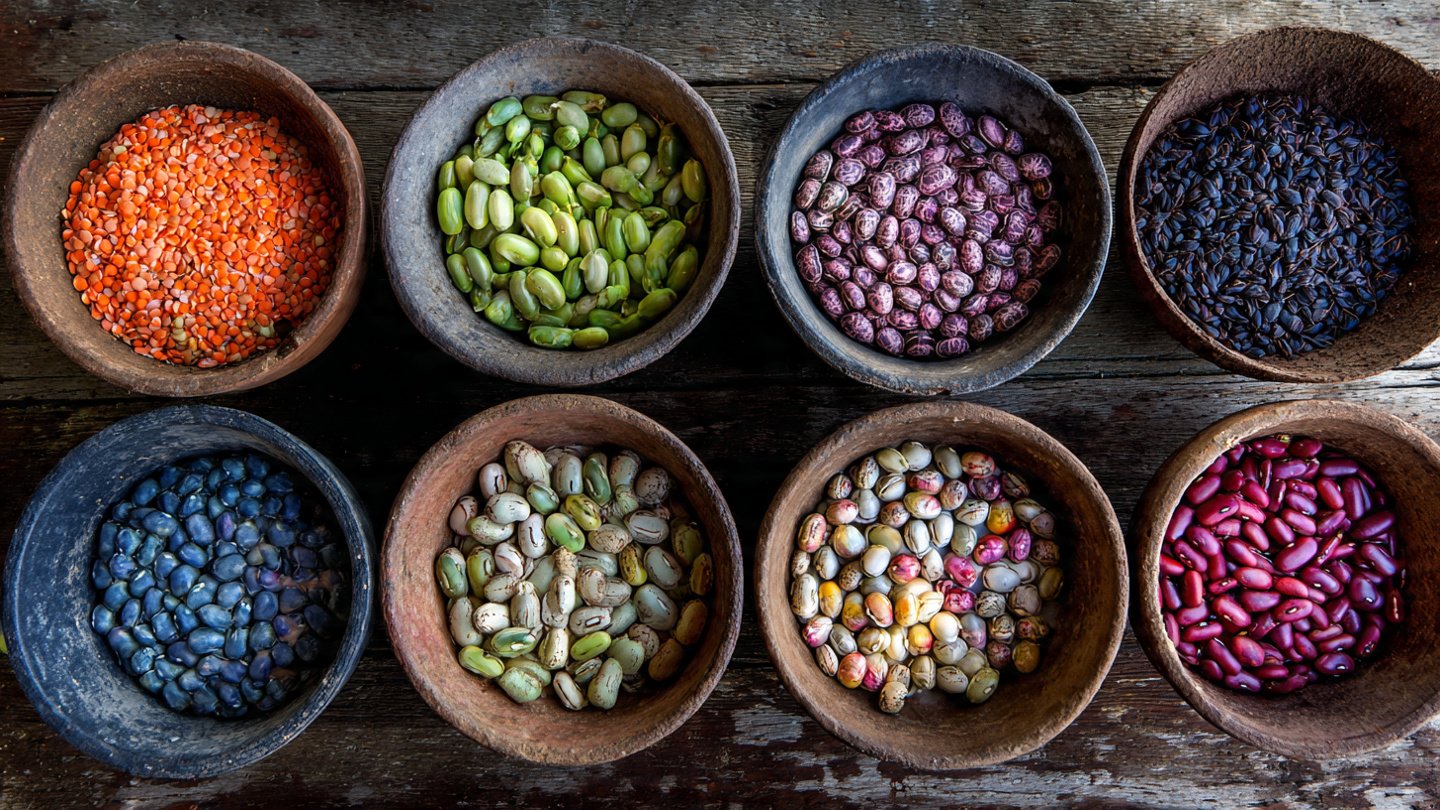
In gardens around the world, a quiet revolution is taking root. Home gardeners, small-scale farmers, and even urban growers are turning away from hybrid varieties and opting for heirloom seeds instead. The reason is simple yet compelling: heirloom plants are celebrated for their exceptional flavor, diversity, and connection to history. But what makes them so special, and why are more people choosing them over conventional seeds?
From vibrant tomatoes to fragrant herbs and colorful peppers, heirloom varieties offer more than just aesthetic appeal. They are a living link to the past and a pathway to richer, more satisfying homegrown produce.
What Are Heirloom Seeds?
Heirloom seeds are traditional plant varieties that have been passed down through generations, often over 50 years or more. Unlike modern hybrids, which are bred for uniformity, shelf-life, or disease resistance, heirlooms are open-pollinated, meaning they reproduce true-to-type from seed. This allows gardeners to save seeds from one season to the next, preserving unique flavors, shapes, and colors.
Key characteristics of heirloom plants include:
- Unusual shapes, colors, and textures
- Complex, rich flavors
- Greater genetic diversity than commercial hybrids
- Historical or cultural significance
Heirloom seeds are not just about nostalgia—they are about taste, sustainability, and variety.
Flavor That Stands Out
The primary reason gardeners are planting heirloom seeds is flavor. Unlike many supermarket varieties, which are bred to survive long shipping times and remain firm on shelves, heirlooms are selected for taste and texture.
Examples include:
- Heirloom tomatoes with deep, sweet, and tangy notes
- Carrots in shades of purple, yellow, and orange with earthy sweetness
- Peppers with smoky, fruity, or fiery flavor profiles
Because heirloom plants focus on culinary quality over commercial durability, their flavor is often far superior to mass-produced varieties. For home cooks and chefs alike, this makes all the difference in sauces, salads, and fresh snacking.
Greater Variety and Visual Appeal
Heirlooms come in countless shapes, sizes, and colors, transforming a garden into a living palette. From the deep purple of a Black Beauty tomato to the golden hue of Aunt Ruby’s German Green tomato, heirloom plants offer a visual and culinary feast.
This variety is not only attractive—it also allows for creative gardening and cooking. By mixing multiple heirloom varieties, gardeners can enjoy diverse flavors and colors in every meal, creating both a beautiful harvest and an exciting tasting experience.
Genetic Diversity and Resilience
Planting heirloom seeds contributes to genetic diversity, which is increasingly important in the face of climate change and evolving pests. Unlike uniform hybrid crops, heirlooms carry a wider range of genetic traits, making them more resilient to:
- Local pests and diseases
- Soil and climate variations
- Extreme weather events
By preserving heirloom varieties, gardeners are helping maintain biodiversity, which is essential for long-term food security.
Seed Saving and Sustainability
One of the most rewarding aspects of heirloom gardening is saving seeds. Because heirlooms are open-pollinated, gardeners can collect seeds from mature plants and grow them year after year. This creates a self-sustaining cycle that reduces reliance on commercial seed suppliers and lowers gardening costs.
Seed saving also connects gardeners to:
- Traditional agricultural knowledge
- Generational plant care practices
- A sense of stewardship for plant varieties at risk of disappearing
This sustainability aspect is a major draw for environmentally conscious gardeners.
Connection to History and Culture
Many heirloom varieties have rich cultural and historical significance. Each plant carries stories of the people, regions, and practices that preserved it. For example:
- Cherokee Purple tomatoes originate from Native American cultivation
- Aunt Molly’s Ground Cherry traces back to Appalachian gardens
- Italian Costoluto Genovese tomatoes reflect Mediterranean culinary heritage
Growing these seeds allows gardeners to taste history and preserve living traditions. It’s a form of storytelling through food and gardening.
Heirlooms Encourage Better Gardening Practices
Heirloom gardening often requires more attention than hybrids, as these plants may be less uniform or slower to mature. This encourages gardeners to:
- Observe plant health closely
- Use natural pest control methods
- Practice crop rotation and soil care
The result is a more mindful, engaged gardening experience, which can increase satisfaction and improve plant yields.
Why Chefs and Foodies Are Driving the Trend
The rise in popularity of heirlooms is not limited to home gardeners. Professional chefs and food enthusiasts are actively seeking heirloom varieties for their unique flavors and presentation. Farm-to-table restaurants and gourmet markets often feature heirloom tomatoes, carrots, and peppers for their vibrant taste and visual appeal.
Chefs appreciate:
- Distinctive flavor profiles for sauces, salads, and garnishes
- Colorful produce that enhances presentation
- The story behind the plant, which resonates with diners
This culinary trend is influencing gardeners, creating a feedback loop where taste and sustainability drive seed choices.
Challenges to Growing Heirloom Seeds
While the benefits are compelling, heirloom gardening does come with challenges:
- Some varieties may be more susceptible to disease
- Yields can be smaller or less uniform than hybrids
- Certain heirlooms require specific care or climates
However, many gardeners consider these challenges worth it for the superior flavor, diversity, and sustainability heirlooms provide.
Tips for Getting Started with Heirloom Gardening
For those new to heirlooms, here are some practical tips:
- Start Small: Begin with a few favorite varieties to get a feel for their growth habits and flavor.
- Choose Locally Adapted Varieties: Look for seeds suited to your climate for better results.
- Practice Crop Rotation: Protect soil health and reduce disease risk.
- Collect and Store Seeds Properly: Dry seeds thoroughly and store in a cool, dark place.
- Experiment and Taste: Part of the joy of heirloom gardening is discovering new flavors.
With patience and curiosity, gardeners can enjoy a thriving heirloom garden year after year.
Conclusion
The surge in heirloom seed planting is about more than nostalgia—it’s a movement toward better flavor, diversity, sustainability, and connection to tradition. From vibrant tomatoes to rare peppers and colorful carrots, heirloom plants bring a richness to gardens and kitchens that hybrids often cannot match.
For anyone passionate about gardening, cooking, or preserving biodiversity, heirloom seeds are a natural choice. They transform gardens into vibrant, flavorful, and historically rich spaces, creating meals that delight the senses and connect us to generations of growers before us.
Whether you’re a novice gardener or a seasoned foodie, planting heirloom seeds is an investment in taste, culture, and the planet.