Throughout history, humans have revered certain trees for their grandeur, longevity, and ecological significance. Among them, one tree stands out as a symbol of strength, endurance, and cultural importance — commonly referred to as the King of Trees. But which tree has earned this distinguished title, and why? This article delves into the characteristics, history, and cultural symbolism of the tree celebrated as the King of Trees, helping readers understand its unique significance in nature and society.
The King of Trees: The Banyan Tree
The title of King of Trees is most often attributed to the banyan tree (Ficus benghalensis), a species native to India and Southeast Asia. Known for its massive canopy, aerial roots, and remarkable longevity, the banyan tree has earned admiration across centuries.
1. Physical Characteristics
The banyan tree is remarkable for its vast network of aerial prop roots, which grow downward from branches and eventually become thick trunks. This allows a single tree to cover several acres, giving it the appearance of a forest under one canopy. Some key features include:
- Large, glossy leaves: Oval or elliptical in shape, often bright green.
- Aerial roots: Roots descend from branches, thicken over time, and support the expansive canopy.
- Longevity: Banyan trees can live for hundreds of years, with some specimens over 500 years old.
- Enormous canopy: Provides shade for a wide area, creating microhabitats for other plants and animals.
One of the most famous banyans, the Great Banyan in Howrah, India, covers more than 3 acres and is estimated to be over 250 years old — a true testament to its kingly status.
Cultural and Religious Significance
The banyan tree is not just biologically impressive; it holds profound cultural and religious significance in many regions:
- Hinduism: The banyan tree is associated with Lord Vishnu and symbolizes immortality and eternal life. Many Hindu temples plant banyans on their grounds, believing the tree grants spiritual protection.
- Buddhism: The Bodhi tree, under which Buddha attained enlightenment, is a species of fig closely related to the banyan. This connection further elevates its spiritual importance.
- Local Traditions: In rural India and other Asian countries, banyan trees often serve as community gathering points, hosting village meetings, markets, and festivals under their vast canopy.
Its cultural prominence reinforces the idea of the banyan as the “King of Trees” — not just for its size, but for its role in human society.
Ecological Importance
Beyond aesthetics and cultural symbolism, the banyan tree plays a crucial ecological role:
- Habitat for Wildlife: The dense canopy and multiple trunks provide shelter for birds, bats, monkeys, and insects. Its figs are a vital food source for many species.
- Soil Health: The tree’s extensive root system stabilizes soil, preventing erosion and supporting other vegetation.
- Air Quality: Like many large trees, banyans contribute to carbon sequestration and oxygen production, improving local air quality.
- Microclimate Creation: The shade and humidity under a banyan canopy create a microenvironment where smaller plants and wildlife thrive.
In many rural and urban areas, banyans act as ecological anchors — sustaining biodiversity in otherwise human-dominated landscapes.
Symbolism and Folklore
The banyan tree’s grandeur and longevity have inspired folklore and symbolism around the world:
- Longevity and Strength: The tree represents resilience and enduring life, often cited in literature and poetry.
- Wisdom: In traditional tales, sages and wise men are said to meditate under banyans, connecting the tree with knowledge and enlightenment.
- Community and Shelter: The expansive canopy symbolizes protection, providing refuge for humans and animals alike.
This combination of physical dominance, ecological contribution, and cultural reverence cements the banyan tree’s status as the King of Trees.
Other Contenders for the Title
While the banyan tree is most commonly called the King of Trees, other trees have also been celebrated for similar qualities:
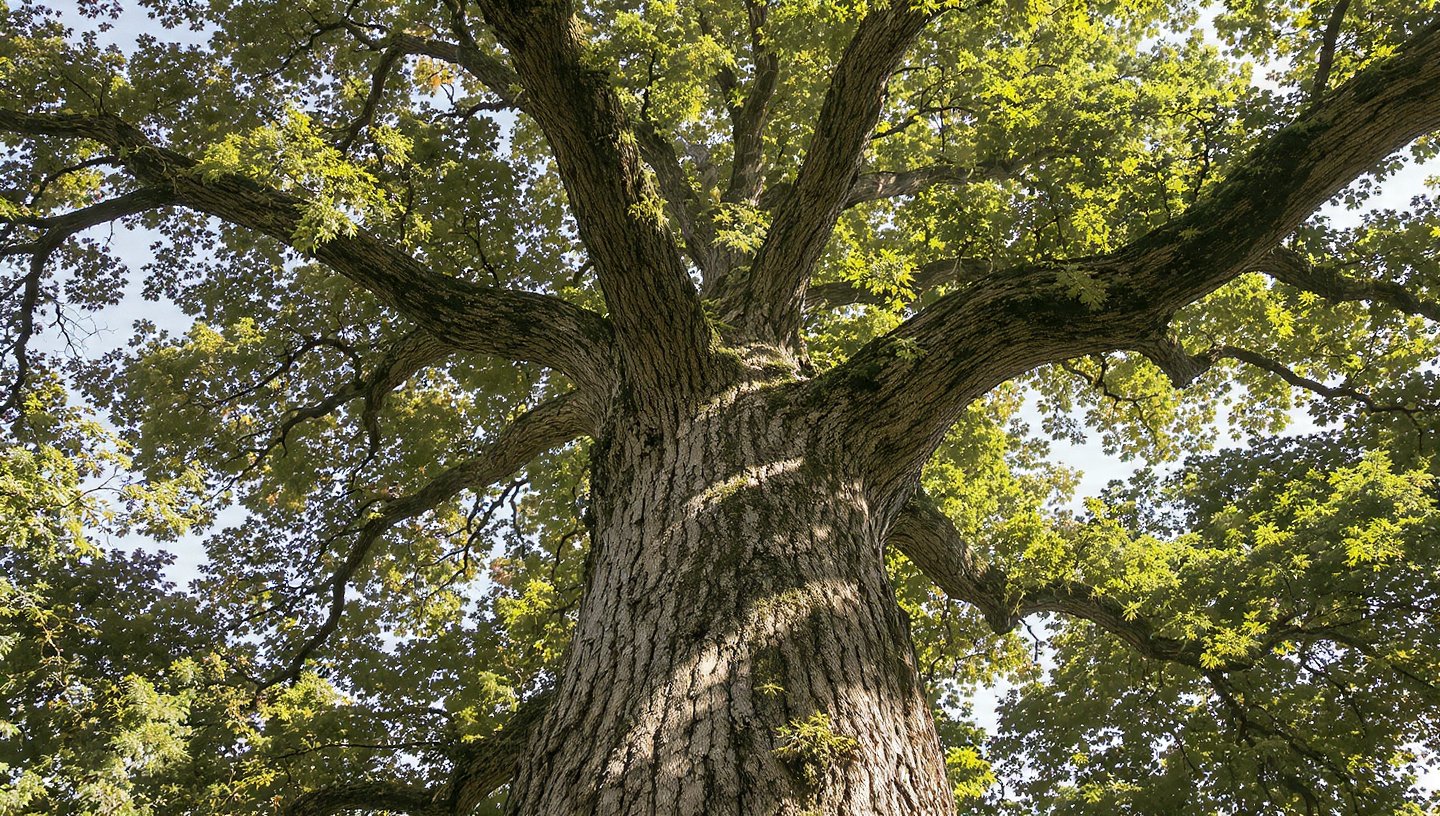
- Oak Tree: In Western cultures, the oak is often considered the “king” due to its strength, longevity, and historical importance in mythology.
- Sequoia or Redwoods: These North American giants are the largest trees on Earth by volume and height, evoking awe and reverence.
- Baobab Tree: Native to Africa, the baobab is called the “Tree of Life” for its massive size, fruit, and water-storing capability in arid regions.
While these trees are exceptional, the banyan’s combination of ecological impact, cultural significance, and massive canopy often places it at the top of the “kingly” list in Asian contexts.
Caring for a Banyan Tree
For those fortunate enough to plant or care for a banyan tree, understanding its needs ensures it thrives:
- Climate: Prefers tropical and subtropical climates with warm temperatures.
- Soil: Well-drained, fertile soil supports growth.
- Watering: Regular watering encourages aerial root development, though mature trees are drought-tolerant.
- Space: Requires ample room to accommodate its sprawling canopy and roots.
- Pruning: Minimal pruning is needed; selective trimming maintains safety around human structures.
Because of its size and growth habits, banyans are best suited for parks, large gardens, and temple grounds, rather than small residential plots.
Conclusion
The title of King of Trees is most commonly attributed to the banyan tree, celebrated for its immense size, longevity, and cultural importance. Beyond its physical grandeur, the banyan tree plays a pivotal role in ecosystems, supports wildlife, and serves as a gathering place for communities. Its symbolism in religion, folklore, and literature further elevates its status. While other giants like oaks, redwoods, and baobabs have their own claim to fame, the banyan’s unique combination of ecological, cultural, and aesthetic significance makes it a true monarch among trees.
Whether admired for its towering presence, sprawling canopy, or sacred symbolism, the banyan tree remains a timeless emblem of strength, wisdom, and resilience — a living reminder of nature’s majesty.