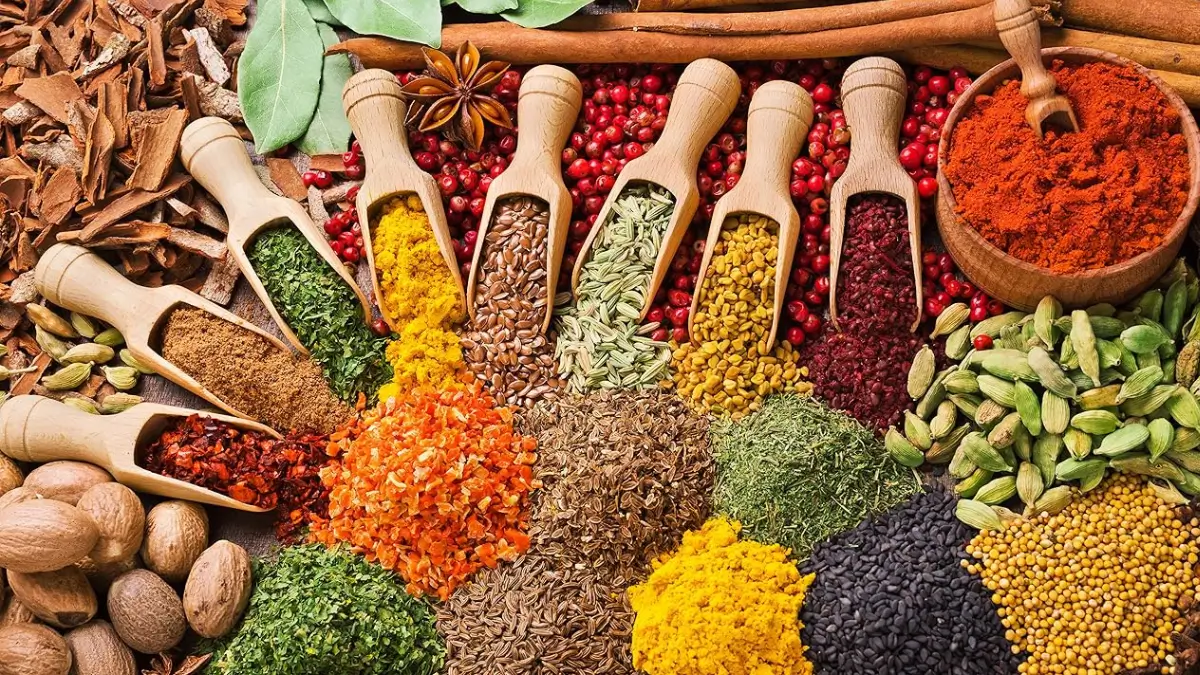
India has long been known as the “Land of Spices.” For centuries, traders from across the world traveled to Indian ports in search of aromatic, flavorful, and medicinal spices. Even today, India remains one of the largest producers and exporters of spices worldwide. From fiery chilies to fragrant cardamom, Indian spices dominate international markets and kitchens alike.
But which spices are exported the most from India? Let’s explore the top spice exports that contribute significantly to the country’s economy and global reputation.
India’s Position in the Global Spice Market
India produces more than 75 varieties of spices and accounts for a major share of global spice production. The country exports spices to over 180 nations, including the United States, China, Vietnam, the UAE, Malaysia, and European countries.
The export of spices contributes billions of dollars annually to India’s agricultural trade. Favorable climatic conditions, diverse soil types, and centuries of cultivation experience give India a strong competitive edge.
Now, let’s look at the spices that lead India’s export charts.
1. Chili (Red Chili)
Red chili is one of the most exported spices from India. Known for its vibrant color and strong pungency, Indian chili is in high demand across Asia, Europe, and the Americas.
Why It’s Popular Globally:
- Strong heat levels
- Rich red color for food processing
- Long shelf life
Major producing states include Andhra Pradesh, Telangana, and Karnataka. Indian chilies are widely used in sauces, powders, and spice blends worldwide.
2. Cumin (Jeera)
Cumin is another top spice export. India is one of the largest producers and exporters of cumin seeds globally.
Key Export Markets:
- China
- USA
- Vietnam
- UAE
Cumin is valued for its earthy flavor and digestive benefits. It is widely used in Middle Eastern, Mexican, and Mediterranean cuisines. Rajasthan and Gujarat are the main cumin-producing states in India.
3. Turmeric (Haldi)
Turmeric has gained massive global popularity due to its health benefits and medicinal properties.
Reasons for High Export Demand:
- Rich in curcumin
- Used in pharmaceuticals and supplements
- Popular in “golden milk” and health drinks
India accounts for a significant share of global turmeric production. Major growing states include Telangana, Maharashtra, and Tamil Nadu.
With the global wellness trend rising, turmeric exports have increased steadily in recent years.
4. Cardamom (Elaichi)
Cardamom is often called the “Queen of Spices.” India produces both small (green) and large cardamom varieties.
Why It’s Valuable:
- Strong aroma
- Used in sweets, beverages, and perfumes
- Premium pricing in global markets
Kerala, Karnataka, and Tamil Nadu are key producers. Though Guatemala competes strongly in cardamom production, Indian cardamom remains highly valued for its quality and fragrance.
5. Pepper (Black Pepper)
Black pepper, historically known as “Black Gold,” has been exported from India for centuries.
Export Highlights:
- Used in spice blends
- Essential ingredient in global cuisines
- Strong demand in Europe and the USA
Kerala is the largest producer of black pepper in India. Though Vietnam currently leads global pepper production, Indian pepper continues to maintain strong demand due to its rich flavor profile.
6. Ginger
Ginger is another significant export spice from India.
Uses:
- Culinary spice
- Herbal teas
- Medicinal products
Indian ginger is exported both fresh and dried. Kerala, Meghalaya, and Karnataka are key producing states.
The growing global interest in immunity-boosting ingredients has strengthened ginger exports.
7. Coriander
Coriander seeds and powder are widely exported due to their mild citrusy flavor.
Major Buyers:
- Malaysia
- UAE
- Sri Lanka
- UK
Rajasthan and Madhya Pradesh are leading producers. Coriander is used in spice blends, curries, and pickles globally.
8. Fenugreek (Methi)
Fenugreek seeds are exported in large quantities for both culinary and medicinal use.
Reasons for Popularity:
- Used in spice mixes
- Important in herbal medicine
- High fiber and nutritional value
Rajasthan is the largest producer of fenugreek in India.
Top Export Destinations for Indian Spices
India exports spices to numerous countries, but the largest markets include:
- United States
- China
- Bangladesh
- UAE
- Malaysia
- UK
- Germany
Demand is particularly strong for chili, cumin, turmeric, and spice blends.
Why Indian Spices Dominate Global Markets
Several factors contribute to India’s leadership in spice exports:
1. Diverse Climate
India’s tropical and subtropical climate allows cultivation of a wide range of spices.
2. Large-Scale Production
Extensive farming areas support high production volumes.
3. Traditional Expertise
Centuries of cultivation knowledge enhance quality.
4. Competitive Pricing
Lower production costs make Indian spices affordable globally.
5. Government Support
Export promotion councils and quality certifications help boost global trade.
Value-Added Spice Products
In addition to raw spices, India also exports:
- Spice oils and oleoresins
- Ready-made spice mixes
- Processed spice powders
- Organic spices
Value-added products often generate higher revenue compared to raw spice exports.
Future Outlook for Indian Spice Exports
The global demand for natural, organic, and health-focused products is increasing. Spices like turmeric, ginger, and cumin are benefiting from this trend.
With better packaging, branding, and quality control, Indian spice exports are expected to grow even further in the coming years.
E-commerce platforms and global food chains have also made Indian spices more accessible worldwide.
Economic Importance of Spice Exports
Spice exports significantly contribute to India’s agricultural GDP. Millions of farmers depend on spice cultivation for their livelihood.
Export growth also supports:
- Rural employment
- Foreign exchange earnings
- Agro-processing industries
The spice sector plays a vital role in strengthening India’s position in global agricultural trade.
Final Thoughts
India’s spice export industry continues to thrive due to its rich agricultural heritage, favorable climate, and strong global demand. Among all spices, chili, cumin, turmeric, cardamom, and pepper lead the export charts, with growing demand for ginger, coriander, and fenugreek as well.
As global consumers increasingly seek flavorful and health-enhancing ingredients, Indian spices remain at the forefront of international trade. With continued innovation, improved quality standards, and expanding markets, India’s dominance in spice exports is likely to remain strong for years to come.