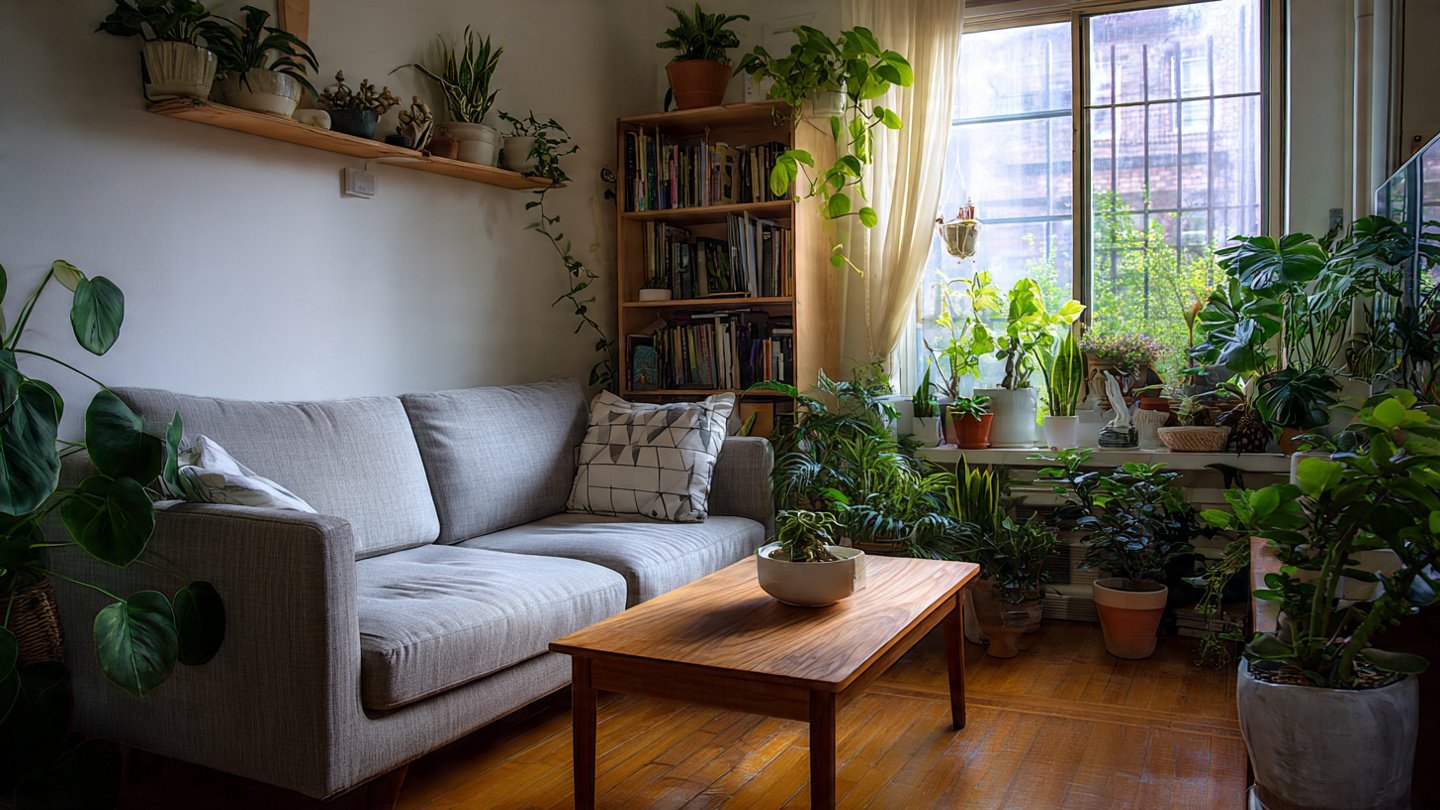
Living in a small apartment or studio doesn’t mean you have to miss out on the joys of greenery. Plants are not only decorative—they improve air quality, boost mood, and create a sense of calm in urban living spaces. However, limited space, low natural light, and compact layouts mean that not all plants are well-suited for small apartments. Choosing the right species can make the difference between a thriving indoor garden and a collection of struggling, wilted leaves.
Here’s a guide to the best plants for small apartments, along with tips for keeping them healthy and vibrant.
1. Snake Plant (Sansevieria trifasciata)
Snake plants are a top choice for apartment living because of their hardiness and minimal care requirements. They can thrive in low light, tolerate irregular watering, and adapt to small pots, making them perfect for studios or compact spaces.
- Care Tips: Water sparingly—once every 2–3 weeks in winter, more in summer. Avoid overwatering, as snake plants are prone to root rot.
- Placement: Near windows or in corners with indirect light. Their upright growth pattern keeps them compact, saving valuable floor space.
- Bonus: Snake plants improve air quality by filtering toxins such as formaldehyde and benzene.
2. Pothos (Epipremnum aureum)
Pothos, also known as devil’s ivy, is a fast-growing vine that thrives in a variety of lighting conditions, from low to bright indirect light. Its trailing vines make it ideal for hanging baskets, shelves, or window sills—perfect for apartments with limited floor space.
- Care Tips: Water when the top inch of soil is dry. Pothos can tolerate occasional neglect and still bounce back.
- Placement: Hanging near a window, draped along shelves, or climbing a small trellis.
- Bonus: Pothos is nearly indestructible, making it a favorite for beginner plant owners.
3. ZZ Plant (Zamioculcas zamiifolia)
ZZ plants are another low-maintenance superstar. With glossy, dark green leaves and slow growth, they fit perfectly in small corners or on tabletops. ZZ plants tolerate low light and irregular watering, which is ideal for busy urban dwellers.
- Care Tips: Water only when the soil is completely dry. Avoid direct sunlight, which can scorch the leaves.
- Placement: Office desks, side tables, or shelves. Their compact size and upright growth pattern make them versatile in small spaces.
- Bonus: ZZ plants are drought-tolerant, meaning you can go away for a few days without worry.
4. Spider Plant (Chlorophytum comosum)
Spider plants are easy to grow and produce charming offshoots that can become new plants. They thrive in bright, indirect light but are also tolerant of lower light conditions, making them suitable for apartments with varying window exposure.
- Care Tips: Water moderately, allowing soil to dry slightly between watering. Trim brown tips to keep the plant looking fresh.
- Placement: Hanging baskets, high shelves, or plant stands. Spider plants look great trailing from elevated positions, saving floor space.
- Bonus: Spider plants are excellent air purifiers and are non-toxic to pets.
5. Peace Lily (Spathiphyllum)
Peace lilies are compact, lush, and produce elegant white blooms. They prefer low to moderate light, which is perfect for apartments that don’t receive direct sunlight. Their upright growth makes them suitable for tabletops, corners, or small plant stands.
- Care Tips: Keep the soil consistently moist but not soggy. Yellow leaves indicate overwatering, while drooping leaves signal a need for water.
- Placement: Near indirect light sources, such as north-facing windows or shaded corners.
- Bonus: Peace lilies filter indoor air pollutants, including ammonia, benzene, and formaldehyde.
6. Succulents and Cacti
Succulents and cacti are ideal for small apartments because of their slow growth and minimal water requirements. They come in a wide variety of shapes and sizes, fitting perfectly on windowsills, desks, or small shelves.
- Care Tips: Use well-draining soil and pots. Water sparingly, allowing the soil to dry completely between waterings.
- Placement: South-facing windows are ideal for bright, direct sunlight. Rotate plants occasionally for even growth.
- Bonus: These plants are visually striking and require very little maintenance, perfect for urban spaces with limited time for plant care.
7. Herbs for Indoor Kitchens
Herbs such as basil, mint, rosemary, and thyme can thrive indoors and serve a dual purpose—decorative and culinary. They do well in small pots on windowsills, adding fragrance and fresh ingredients for cooking.
- Care Tips: Ensure 4–6 hours of bright indirect sunlight. Water when the top soil feels dry. Regularly pinch off leaves to encourage bushy growth.
- Placement: Kitchen window sills, shelves, or small indoor herb gardens.
- Bonus: Fresh herbs improve meals and add a natural scent to your apartment.
8. Philodendron Varieties
Philodendrons are versatile plants that adapt well to indoor conditions. Many varieties, such as heartleaf philodendron or Philodendron Brasil, are trailing, making them excellent for shelves or hanging baskets.
- Care Tips: Water when the top inch of soil is dry. Bright, indirect light encourages healthy growth, though they tolerate lower light.
- Placement: Shelves, bookcases, or plant stands to allow vines to cascade beautifully.
- Bonus: Their lush foliage adds tropical vibes without taking up much floor space.
Tips for Growing Plants in Small Apartments
While choosing the right plants is crucial, a few key strategies will help ensure your indoor garden thrives even in limited space:
1. Maximize Vertical Space
Use wall-mounted shelves, hanging planters, or tall plant stands. This allows you to grow more plants without cluttering floors or tables.
2. Consider Light Carefully
Assess your apartment’s natural light before buying plants. South-facing windows provide bright light, while north-facing windows offer lower light. Select species suited to each condition to ensure success.
3. Use the Right Containers
Choose pots with proper drainage to prevent root rot. Compact, lightweight containers help maximize space and allow flexibility in arranging your plants.
4. Rotate and Rearrange
Turn plants periodically to ensure even light exposure and prevent uneven growth. Rearrange plants based on seasonal sunlight changes to optimize health.
5. Keep Air Flowing
Avoid crowding plants too closely, as poor air circulation can increase the risk of pests and fungal disease. Even a small fan can help maintain airflow in studios.
6. Start Small
It’s easy to become excited and accumulate too many plants too quickly. Begin with a few resilient species, and expand your indoor garden gradually as you learn about each plant’s needs.
Conclusion
Even in small apartments or studios, it’s entirely possible to create a thriving indoor garden. By choosing resilient, space-friendly plants like snake plants, pothos, ZZ plants, spider plants, peace lilies, succulents, and herbs, you can enjoy the benefits of greenery without overcrowding your living space.
With thoughtful placement, proper light, consistent care, and creative use of vertical space, your apartment can become a verdant, calming retreat. Even small indoor plants provide mood-boosting benefits, cleaner air, and a connection to nature that transforms urban living into a more peaceful, refreshing experience.
Whether you have a sunny windowsill, a shadowed corner, or a compact tabletop, the right combination of plants can turn your small apartment into a lush, vibrant oasis.