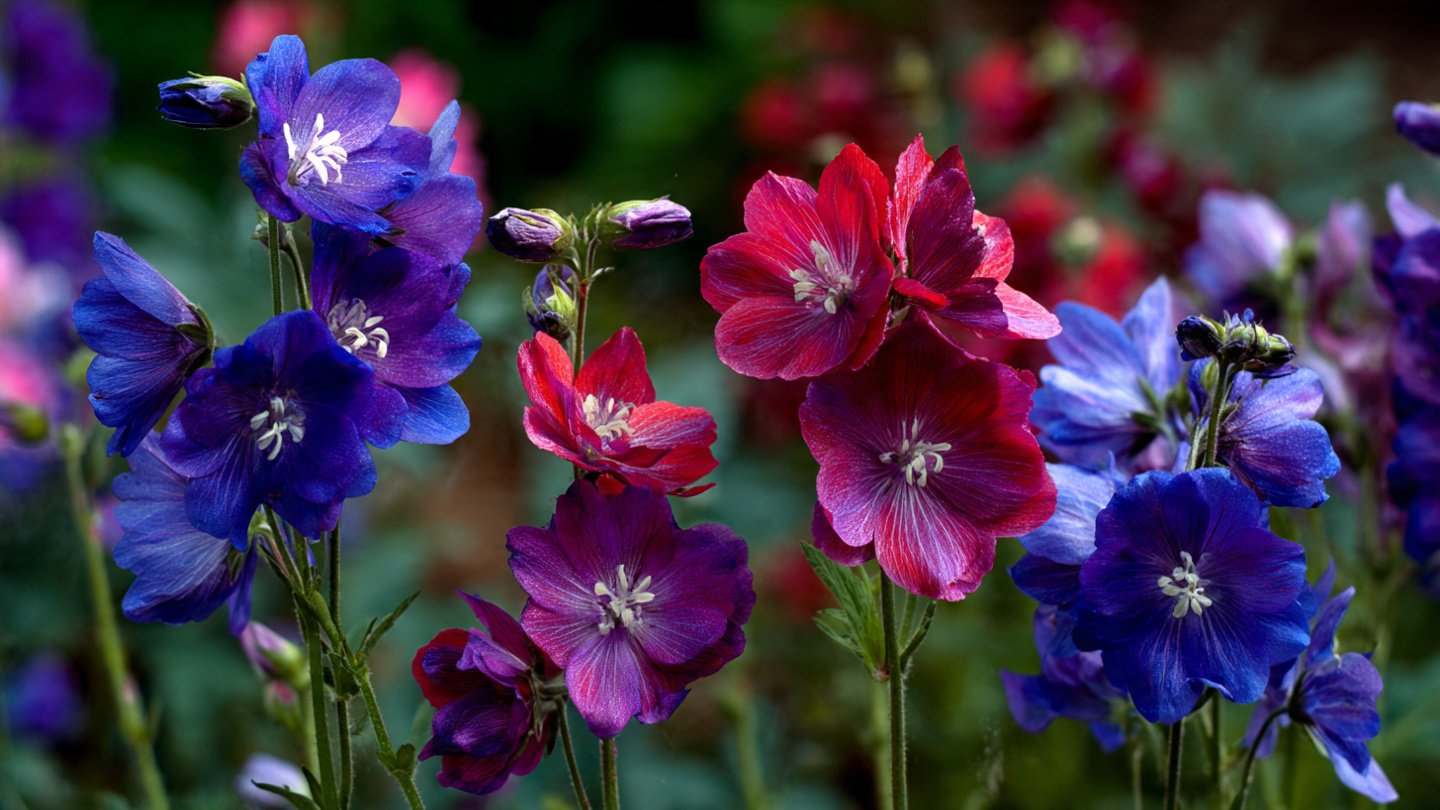
The traditional English garden is admired around the world for its romantic charm, soft color palettes, and seemingly effortless abundance. Behind this timeless beauty, however, lies careful plant selection and time-tested propagation methods. Knowing which flowers thrive best when propagated is essential for gardeners who want to expand their borders naturally, economically, and in harmony with classic English garden style.
From cottage garden favorites to reliable perennials, many flowers associated with English gardens respond exceptionally well to propagation by cuttings, division, or seed. Understanding which plants thrive—and why—can help you build a flourishing garden that grows richer and more beautiful with every season.
What Defines a Traditional English Garden?
Before choosing plants for propagation, it helps to understand what makes an English garden distinctive. These gardens typically feature:
- Informal layouts with natural flow
- Mixed borders of perennials, annuals, and shrubs
- Soft, harmonious color schemes
- A focus on long-lived, repeat-flowering plants
- An emphasis on natural regeneration and self-sufficiency
Propagation plays a key role in maintaining this style, allowing gardeners to repeat favorite plants throughout the garden and share them across borders for a cohesive look.
Why Propagation Is Central to English Garden Design
Propagation has long been part of English gardening tradition. Historically, gardeners relied on dividing and cutting plants to fill large borders without constant expense.
The benefits include:
- Maintaining plant continuity and uniformity
- Preserving heirloom and cottage varieties
- Encouraging healthier, more vigorous growth
- Allowing gardeners to adapt plant placement over time
Many classic English flowers are naturally suited to propagation, making them ideal for both beginners and experienced gardeners.
Best Flowers for Traditional English Garden Propagation
1. Lavender
Lavender is a cornerstone of English garden design, valued for its fragrance, silvery foliage, and pollinator appeal. It propagates exceptionally well from softwood or semi-hardwood cuttings taken in late spring or early summer.
Once established, propagated lavender plants:
- Thrive in well-drained soil
- Maintain consistent scent and color
- Provide structure and edging for garden paths
Cuttings ensure the new plants match the parent exactly, preserving form and aroma.
2. Roses
No English garden feels complete without roses. Many traditional varieties propagate successfully through cuttings, especially shrub and climbing roses.
Propagation allows gardeners to:
- Replicate beloved heirloom roses
- Fill arches, fences, and borders affordably
- Preserve unique blooms not always available commercially
Cuttings taken in late summer or autumn often root well when kept moist and sheltered.
3. Geraniums (Hardy Cranesbill)
Hardy geraniums are prized for their resilience and long flowering season. They propagate easily through division, making them ideal for expanding borders.
Benefits of propagating hardy geraniums include:
- Fast establishment
- Excellent ground coverage
- Low maintenance once planted
They thrive in partial sun and adapt well to typical English garden conditions.
4. Foxgloves
Foxgloves bring height and drama to English borders with their tall spires of bell-shaped blooms. While typically biennial, they self-seed readily and can also be propagated from collected seed.
Allowing foxgloves to reseed:
- Encourages natural-looking drifts
- Adds variation and charm
- Reduces the need for replanting
They thrive in dappled shade and cottage-style planting schemes.
5. Delphiniums
Delphiniums are iconic English garden plants known for their tall, elegant flower spikes. They propagate well through division in early spring or autumn.
Propagated delphiniums:
- Retain color consistency
- Strengthen clump vitality
- Perform better than overcrowded plants
They prefer rich soil and sheltered locations, making proper placement essential.
6. Peonies
Peonies are long-lived and beloved for their lush, romantic blooms. Although slow to establish, they propagate successfully through root division.
Key advantages of peony propagation include:
- Creating identical plants with proven performance
- Preserving heirloom varieties
- Encouraging better flowering through rejuvenation
Division is best done in autumn when plants are dormant.
7. Sweet Peas
Sweet peas embody the fragrance and nostalgia of traditional English gardens. They are easily propagated from seed and often improve with careful seed saving.
Growing sweet peas from seed:
- Produces strong, adaptable plants
- Allows selection of preferred colors and scents
- Encourages vertical interest along trellises and fences
They thrive in cool conditions and benefit from early sowing.
Propagation Methods That Work Best
Different flowers respond best to specific propagation techniques:
- Cuttings: Lavender, roses, salvias
- Division: Geraniums, delphiniums, peonies
- Seeds: Foxgloves, sweet peas, biennials
Matching the method to the plant increases success and reduces plant stress.
Creating Balance in the English Garden
Propagation should always support balance rather than overcrowding. While it’s tempting to fill every space, traditional English gardens rely on breathing room between plants to maintain airflow and visual softness.
When propagating:
- Avoid planting too densely
- Rotate divisions to refresh tired borders
- Remove weaker plants to strengthen overall displays
Thoughtful propagation enhances both beauty and plant health.
Common Mistakes to Avoid
- Propagating weak or diseased plants
- Ignoring soil preparation before replanting
- Overwatering newly propagated plants
- Expecting immediate flowering from divisions
Patience is essential—many propagated plants focus on root growth before blooming.
Conclusion
Traditional English garden flowers are not only beautiful but remarkably generous when it comes to propagation. From lavender and roses to foxgloves and delphiniums, these plants thrive when carefully divided, cut, or grown from seed.
By choosing flowers well-suited to propagation and respecting their natural rhythms, gardeners can create lush, evolving borders that feel both timeless and personal. Propagation turns gardening into a living legacy—one where beauty is passed on, season after season, with care, patience, and tradition at its heart.