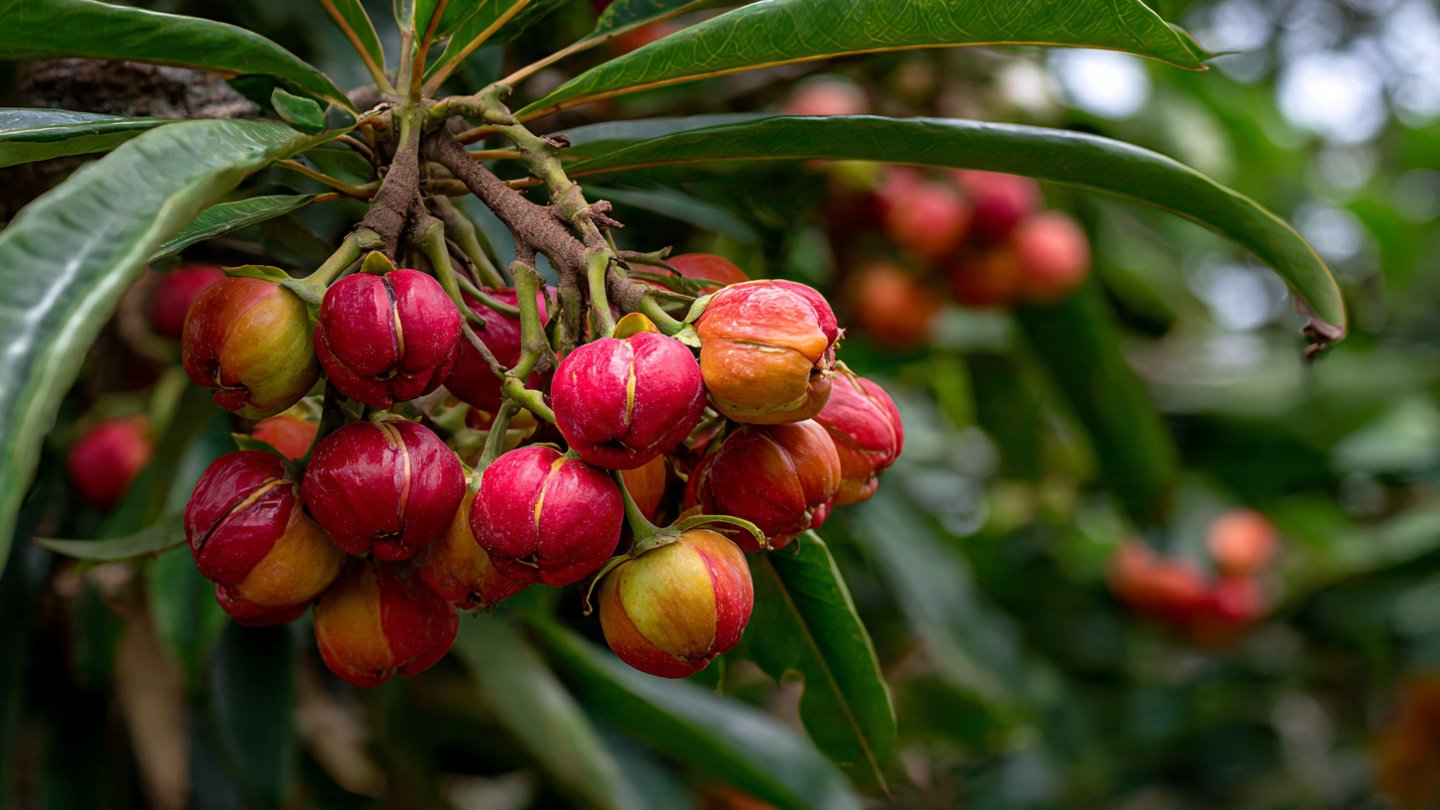
Ackee, with its creamy texture and subtly nutty flavor, is one of the most iconic fruits of the Caribbean. Often paired with saltfish in the traditional Jamaican dish “Ackee and Saltfish,” it has become a symbol of Caribbean culinary culture. But beyond its popularity in the kitchen, ackee is also a significant agricultural product with economic importance. This raises an interesting question: which country leads the world in ackee production, and what factors have contributed to its dominance? Let’s explore the story behind the world’s largest ackee producer and the secrets of its success.
Understanding Ackee
Before we dive into production statistics, it’s worth understanding what ackee is and why it is both beloved and unique.
- Scientific Name: Blighia sapida
- Origin: West Africa; introduced to the Caribbean in the 18th century
- Fruit Characteristics: Ackee is a tropical fruit that ripens in a bright red or yellow capsule. Inside, it contains three black seeds surrounded by soft, creamy, edible flesh.
- Culinary Use: The flesh is cooked before eating, often sautéed or boiled, as raw ackee is toxic due to the presence of hypoglycin A.
- Nutritional Value: Rich in protein, essential fatty acids, and vitamins A and C, ackee is highly nutritious and versatile in local cuisine.
Because of its cultural significance and nutritional value, ackee cultivation has grown from small-scale home gardens to commercial operations in certain countries.
Global Ackee Production
Although ackee is grown in several tropical regions, including West Africa and parts of Central America, the Caribbean is the center of commercial production. The fruit thrives in tropical climates with well-drained soils, adequate rainfall, and moderate humidity.
Countries like Haiti, Trinidad and Tobago, and Belize cultivate ackee, but none have matched the production capacity of one particular Caribbean nation.
The Largest Ackee Producer in the World: Jamaica
Jamaica stands out as the undisputed global leader in ackee production. Its success story is built on a combination of cultural heritage, favorable growing conditions, and strategic export practices.
Why Jamaica?
- Cultural and Culinary Heritage:
Ackee has been a staple in Jamaican cuisine for centuries. Its role in traditional dishes, especially “Ackee and Saltfish,” has created sustained domestic demand. Farmers have an incentive to cultivate the fruit, both for local consumption and export. - Ideal Growing Conditions:
Jamaica’s tropical climate, fertile soils, and reliable rainfall create optimal conditions for ackee cultivation. The fruit grows particularly well in lowland areas with rich, well-draining soil. - Agricultural Expertise:
Jamaican farmers have developed extensive knowledge of ackee cultivation, harvesting, and processing. They understand the precise timing for harvesting ripe fruit to maximize yield while ensuring safety, as unripe ackee contains toxic compounds. - Government Support and Regulation:
The Jamaican government recognizes the economic and cultural value of ackee. Regulatory frameworks ensure that exports meet international safety standards, which has helped Jamaica maintain a competitive edge in global markets.
The Role of Export Markets
While domestic consumption is significant, a large portion of Jamaica’s ackee production is destined for international markets. Exporting ackee has become a vital part of the agricultural economy.
- Primary Export Destinations: United States, United Kingdom, Canada, and other Caribbean nations.
- Export Products: Both canned ackee and frozen ackee are popular overseas, allowing the fruit to reach diaspora communities and new consumers who are curious about Caribbean cuisine.
- Economic Impact: Ackee exports contribute millions of dollars to Jamaica’s economy annually, providing income for small and medium-scale farmers, as well as employment opportunities in processing and distribution.
Cultivation Techniques in Jamaica
Jamaica’s position as the top ackee producer is supported by effective cultivation and harvesting practices.
- Seedling Propagation:
Farmers start ackee trees from seeds, selecting healthy seeds from ripe fruits. Germination can take several weeks, but careful selection ensures vigorous seedlings. - Orchard Establishment:
Trees are planted in well-spaced orchards to optimize sunlight, airflow, and nutrient availability. Proper spacing reduces disease risk and allows for mechanized or manual harvesting. - Soil and Fertilization:
Fertile, well-drained soils are ideal. Farmers often enrich soil with organic compost or fertilizers to encourage growth. - Harvesting Techniques:
- Only mature ackee fruits are harvested, as unripe fruits are toxic.
- Fruit is typically collected from the ground once it naturally opens, or carefully picked from the tree.
- Post-harvest handling includes cleaning, sorting, and, in many cases, canning or freezing for export.
- Pest and Disease Management:
Jamaican farmers monitor for pests such as fruit flies and fungal infections. Integrated pest management techniques, including natural predators and careful pruning, are used to maintain healthy trees.
Economic and Social Impact
Jamaica’s leadership in ackee production has ripple effects across the economy and society:
- Small-Scale Farming: Many ackee farmers are smallholders who rely on the crop for their primary income. Successful harvests can support families and local communities.
- Employment Opportunities: Processing, canning, and exporting ackee create jobs beyond farming.
- Cultural Preservation: Maintaining ackee cultivation preserves an essential part of Jamaica’s culinary heritage, strengthening national identity.
- International Recognition: Jamaica’s reputation as a global leader in ackee has helped promote the country’s broader agricultural products and cuisine to international markets.
Challenges in Ackee Production
Despite its success, ackee cultivation faces several challenges:
- Toxicity Concerns: Unripe ackee contains hypoglycin A, which can cause severe illness. Farmers must ensure only ripe fruit is harvested and properly processed.
- Climate Vulnerability: Droughts, hurricanes, and unpredictable rainfall can affect yields. Climate resilience strategies are increasingly important.
- Market Fluctuations: Global demand and export prices can vary, impacting farmer income. Maintaining strong international relations and compliance with export regulations is critical.
- Labor-Intensive Harvesting: Ackee trees require careful handling, and harvesting can be labor-intensive, especially for large-scale operations.
Lessons from Jamaica’s Success
Jamaica’s position as the largest ackee producer offers several lessons for other countries looking to expand fruit cultivation:
- Leverage Cultural Significance: Aligning agricultural products with national cuisine and culture can ensure consistent domestic demand.
- Invest in Export Standards: Adhering to international food safety and quality standards helps maintain global market access.
- Support Small Farmers: Providing training, resources, and market access strengthens the agricultural sector.
- Balance Tradition and Innovation: Combining traditional knowledge with modern agricultural techniques enhances both yield and quality.
Future Prospects
As global interest in tropical and exotic fruits grows, Jamaica’s ackee industry is poised for continued expansion:
- Expanding Export Markets: Increasing awareness of Caribbean cuisine globally can boost demand for canned and frozen ackee.
- Sustainable Practices: Incorporating sustainable farming practices ensures long-term productivity while protecting the environment.
- Value-Added Products: Opportunities exist to create new ackee-based products, such as ready-to-cook meals or packaged culinary kits.
Jamaica’s continued leadership depends on balancing production, safety, and market development while maintaining the cultural heritage that makes ackee so distinctive.
Conclusion
Jamaica is undeniably the largest ackee producer in the world, and its success story is a blend of cultural tradition, favorable growing conditions, skilled farming practices, and strategic international trade. The fruit’s global recognition as a symbol of Caribbean cuisine has created both domestic and international demand, cementing Jamaica’s leadership in the ackee market.
From small-scale farmers to export processors, countless individuals benefit from the cultivation and trade of ackee. At the same time, the fruit continues to enrich global cuisine, bringing the taste of Jamaica to kitchens worldwide.
Whether enjoyed as part of a traditional “Ackee and Saltfish” breakfast or as an ingredient in international culinary creations, ackee’s journey from tropical orchards to dinner plates is a testament to Jamaica’s agricultural expertise and cultural pride.
For anyone interested in tropical fruits, global agriculture, or culinary heritage, Jamaica’s story as the world’s leading ackee producer offers a fascinating example of how a single fruit can shape both economy and culture.