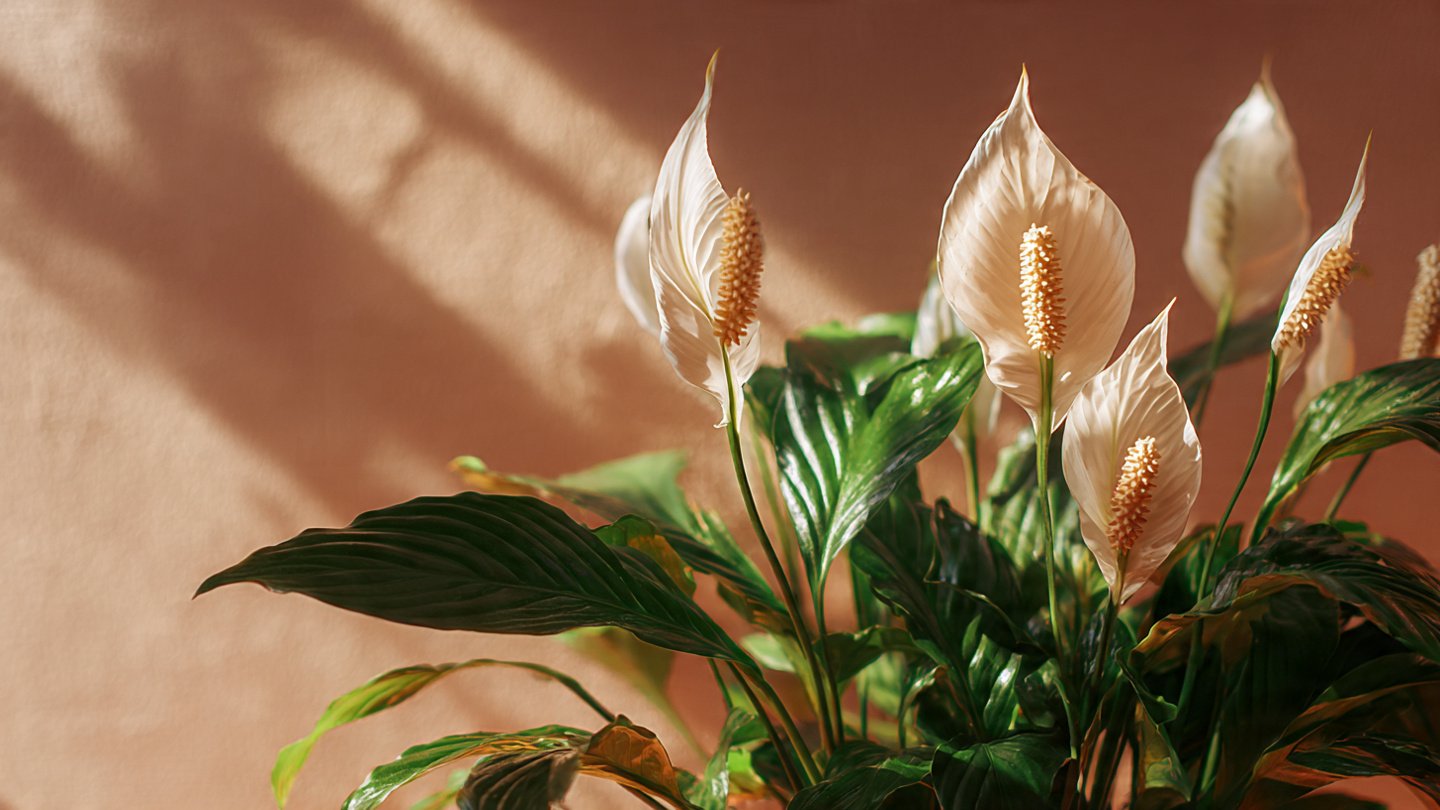
Peace lilies (Spathiphyllum spp.) are among the most beloved houseplants, prized for their glossy green leaves, elegant white blooms, and remarkable ability to purify indoor air. However, achieving a flourishing peace lily that blooms regularly is not just about watering and feeding—it’s also about where you place it in your home. Location plays a critical role in ensuring your plant remains healthy, vibrant, and productive.
In this guide, we’ll explore five perfect spots in your home for a peace lily to thrive, why placement matters, and practical tips for maintaining your plant in each location.
Why Placement Matters for Peace Lilies
Peace lilies are native to tropical rainforests, where they grow in the understory of trees with filtered sunlight. Mimicking these natural conditions indoors is essential for blooms. Incorrect placement—too dark, too sunny, or too drafty—can result in lush foliage without flowers or a stressed, drooping plant.
Proper placement influences:
- Light exposure: Peace lilies prefer bright, indirect light. Too little light prevents flowering, while too much can scorch leaves.
- Humidity and temperature: These plants thrive in consistent warmth and moderate to high humidity, similar to their tropical origins.
- Air circulation: Proper airflow prevents fungal issues and keeps leaves healthy.
By choosing the right spot, you create the optimal environment for your peace lily to bloom, maintain its glossy foliage, and grow to its full potential.
1. Near an East-Facing Window
East-facing windows are ideal for peace lilies because they provide gentle morning sunlight without the harsh heat of midday rays. Morning light is bright enough to trigger blooms while avoiding leaf burn, making it perfect for indoor tropical plants.
Tips for East-Facing Placement:
- Position the plant a few feet from the window or use sheer curtains to filter direct rays.
- Rotate the pot every few weeks to ensure even light exposure on all leaves.
- Combine with a small humidity tray if your indoor air is dry.
Peace lilies in this location often produce flowers more reliably than in dim or overly bright areas, offering a perfect balance of light and protection.
2. In a Bathroom with a Window
Bathrooms with natural light are another excellent spot for peace lilies. The combination of humidity from showers and filtered sunlight creates an environment that closely mimics a tropical rainforest.
Why It Works:
- High humidity encourages lush foliage and abundant blooms.
- Indirect light through frosted glass or small windows prevents leaf scorching.
- Peace lilies in bathrooms often require less frequent watering because the air retains moisture.
Tips for Bathroom Placement:
- Avoid placing the plant directly on the shower floor to prevent overwatering.
- Ensure there’s enough light—if the bathroom is too dark, supplement with a small grow light.
- Use a well-draining potting mix to prevent root rot in humid conditions.
3. On a Bright Shelf or Table in a Living Room
Peace lilies can thrive on furniture or shelves in living spaces that receive indirect light. Living rooms with north or east-facing windows are ideal, while south or west-facing rooms may need sheer curtains to diffuse the sun.
Benefits of Living Room Placement:
- Consistent light exposure supports flowering and growth.
- Plant becomes a natural centerpiece, adding elegance and air-purifying benefits to the space.
- Peace lilies on tables or shelves are less likely to be disturbed, reducing stress on the plant.
Tips for Living Room Placement:
- Avoid placing near vents or radiators to prevent temperature fluctuations.
- Rotate periodically to prevent leaning toward the light source.
- Keep away from pets that may nibble on leaves, as they can be toxic if ingested.
4. On a Kitchen Counter with Indirect Sunlight
Kitchens can be surprisingly suitable for peace lilies if they receive filtered light through a window. The increased humidity from cooking can mimic the plant’s natural environment, while the warmth encourages growth and flowering.
Why the Kitchen Works:
- Frequent activity creates subtle air circulation, reducing fungal risks.
- Warm temperatures and occasional humidity boosts photosynthesis.
- Countertop placement allows easy access for care and watering.
Tips for Kitchen Placement:
- Keep the plant away from direct heat sources like stovetops or ovens.
- Ensure that spills of acidic or greasy substances do not damage foliage.
- Maintain a consistent watering schedule, as kitchen humidity alone may not be sufficient in very dry months.
5. In a Bedroom for Gentle, Indirect Light
A bedroom can be a serene home for a peace lily, providing a consistent environment with low-to-moderate light. Although bedrooms may not have the brightest light, peace lilies adapt well, especially if placed near a north-facing or partially shaded east-facing window.
Benefits of Bedroom Placement:
- Reduces stress on the plant by avoiding direct, harsh sunlight.
- Helps improve indoor air quality while you sleep.
- Creates a calming, aesthetic addition to the bedroom environment.
Tips for Bedroom Placement:
- Avoid windows that receive strong afternoon sun, which can scorch leaves.
- Place near a nightstand or dresser to integrate it into decor while allowing light exposure.
- Monitor humidity, especially in air-conditioned rooms, and mist or use a humidity tray as needed.
General Care Tips for Blooming Peace Lilies
Regardless of placement, maintaining a healthy peace lily requires attention to water, soil, and nutrition:
- Watering: Keep soil consistently moist but not soggy. Peace lilies often droop slightly to signal the need for water.
- Fertilizing: Feed every 6–8 weeks during the growing season with a balanced, diluted houseplant fertilizer.
- Pruning: Remove yellowing or dead leaves promptly to encourage new growth.
- Humidity: Use a humidity tray or regular misting if indoor air is dry.
- Repotting: Repot every 1–2 years to prevent root binding and refresh soil nutrients.
Consistent care combined with strategic placement is the key to a peace lily that blooms reliably and remains healthy.
Signs Your Peace Lily is Thriving
A peace lily is thriving when it exhibits the following:
- Deep green, glossy leaves
- Upright, strong stems
- Regular appearance of white spathes (flowers)
- Steady growth without drooping or yellowing
If your plant shows stress signs like brown tips or slow growth, adjusting its placement often resolves the problem, highlighting how critical location is for flowering.
Conclusion
Choosing the right spot for your peace lily is just as important as watering and feeding. From east-facing windows to humid bathrooms, living room shelves, kitchen counters, and serene bedrooms, each location offers unique advantages for bloom production. Proper placement, combined with consistent care, ensures that your peace lily remains lush, healthy, and adorned with elegant white flowers throughout the year.
By understanding your plant’s natural preferences and mimicking its tropical environment, you can create a home where your peace lily not only survives but thrives—rewarding you with abundant blooms, improved air quality, and a touch of natural elegance in every room.