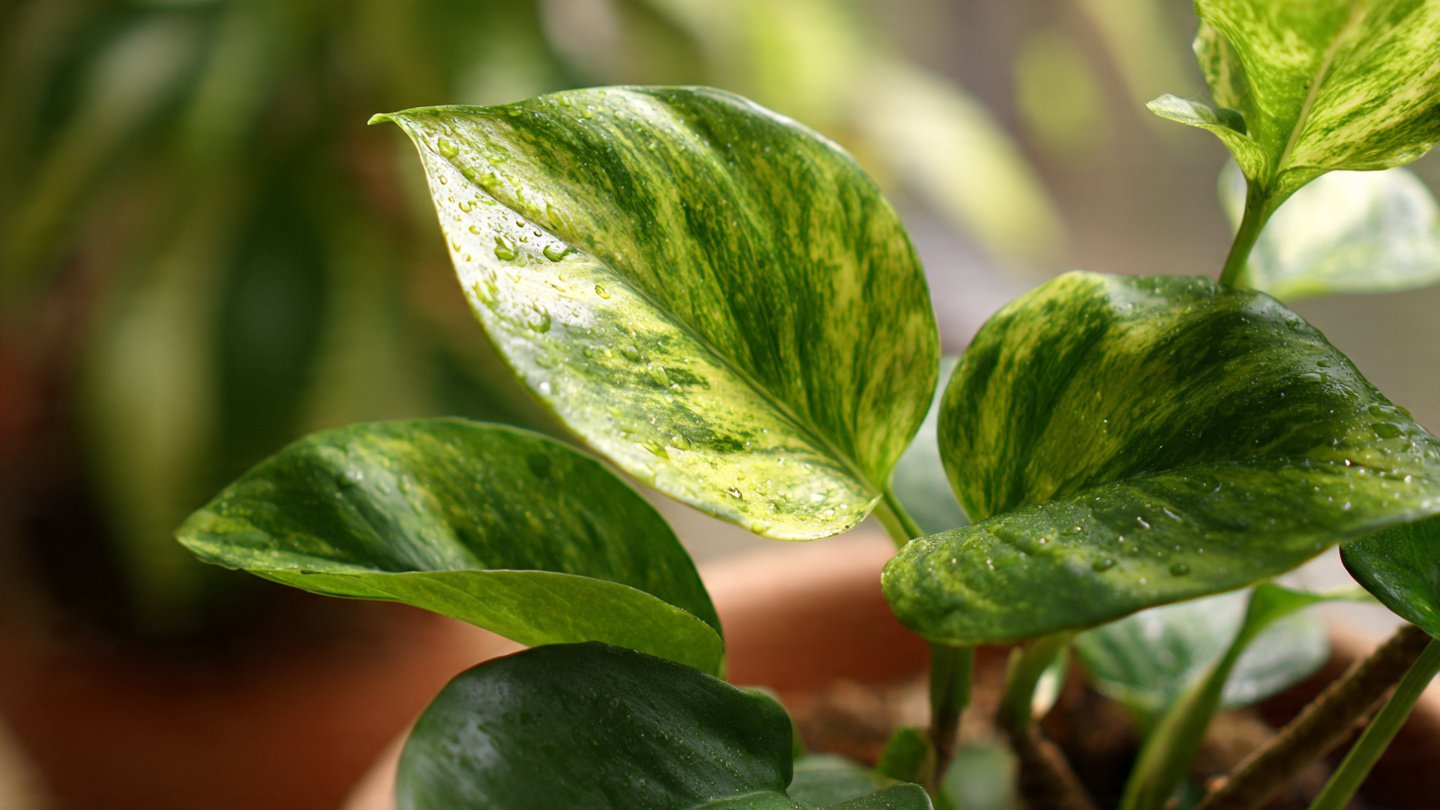
Fertilizer is often seen as a magic solution for healthier plants and bigger blooms. While nutrients are essential for flower growth, more is not always better. Over-fertilizing is one of the most common—and misunderstood—mistakes gardeners make. One of the earliest and clearest places this problem appears is in the leaves.
When flowers receive too much fertilizer, their leaves undergo surprising physical, chemical, and visual changes. These signs act as warnings that the plant’s nutrient balance has been disrupted. Understanding these changes can help you correct the issue early and protect your plants from long-term damage.
Why Over-Fertilizing Happens So Easily
Many gardeners fertilize more often than needed because plant stress is often mistaken for nutrient deficiency. Yellowing leaves, slow growth, or weak blooms may prompt additional feeding, even when nutrients are already excessive.
Over-fertilizing commonly occurs due to:
- Applying fertilizer too frequently
- Using high-strength chemical fertilizers
- Not diluting liquid fertilizers properly
- Fertilizing stressed or dry plants
- Layering multiple fertilizers unintentionally
Once excess nutrients accumulate in the soil, leaves are the first to react.
Leaf Tip Burn: The Most Common Warning Sign
One of the earliest and most noticeable changes is leaf tip burn. The tips of flower leaves turn brown, crispy, or scorched-looking.
This happens because excess fertilizer salts draw moisture out of plant cells, causing dehydration at the leaf edges. Even though the soil may be moist, the plant experiences internal drought.
Leaf tip burn usually starts subtly but worsens quickly if fertilizing continues unchecked.
Dark Green Leaves That Look “Too Perfect”
Another surprising effect of over-fertilization is excessively dark green foliage. While deep green leaves may seem healthy, they can signal nitrogen overload.
Overfed leaves often appear:
- Glossy or waxy
- Thick and overly soft
- Darker than normal
This excessive growth diverts energy away from flower production, resulting in lush leaves but fewer blooms. In flowering plants, this imbalance is especially problematic.
Leaf Curling and Distortion
Over-fertilized flower leaves may begin to curl inward, twist, or deform. This occurs when nutrient uptake overwhelms the plant’s ability to regulate water and cell expansion.
Leaf distortion can appear as:
- Upward curling edges
- Wrinkled or puckered surfaces
- Uneven growth on one side of the leaf
These changes are often mistaken for pest damage or disease but are frequently nutrient-related.
Yellowing Leaves Despite Abundant Feeding
It may seem contradictory, but over-fertilizing can cause yellow leaves. This happens because excessive nutrients interfere with the absorption of other essential elements.
For example:
- Too much nitrogen can block potassium uptake
- Excess phosphorus can prevent iron absorption
- High salt levels damage root function
As a result, leaves may turn yellow between veins or fade unevenly, even though the soil is nutrient-rich.
Brittle or Fragile Leaf Texture
Over-fertilized leaves may grow rapidly but lack structural strength. These leaves often feel brittle, tear easily, or collapse under their own weight.
Fast, forced growth creates weak cell walls, making leaves more vulnerable to:
- Wind damage
- Heat stress
- Disease and pests
Healthy growth should be steady and balanced—not rushed.
White Crust and Residue on Leaves or Soil
Another surprising sign of over-fertilization is a white or chalky residue on leaf surfaces or soil. This residue is caused by salt buildup from fertilizers.
Salt accumulation:
- Draws moisture away from roots
- Alters soil pH
- Damages leaf tissue on contact
In severe cases, salt burn can spread from the soil upward, causing widespread leaf damage.
Reduced Leaf Size Over Time
While early over-fertilization can cause large leaves, prolonged excess nutrients may lead to smaller, stunted foliage. This occurs when root systems become damaged and can no longer support normal growth.
Symptoms include:
- New leaves emerging smaller than older ones
- Uneven leaf development
- Weak or thin stems
This is often a sign that the roots are under stress from chemical overload.
Increased Disease and Pest Attraction
Over-fertilized leaves are often softer and contain higher levels of sugars and nitrogen, making them attractive to pests such as aphids, mites, and whiteflies.
Additionally, weakened leaf tissue is more prone to:
- Fungal infections
- Bacterial leaf spots
- Mold growth
What began as a nutrient boost can quickly turn into a plant health crisis.
How Over-Fertilization Affects Flowering
When leaves absorb excessive nutrients—especially nitrogen—flower production often declines. The plant focuses on leaf expansion rather than bud formation.
You may notice:
- Fewer blooms
- Smaller flowers
- Delayed flowering cycles
This imbalance is a strong signal that fertilizer levels need adjustment.
How to Fix Over-Fertilized Flower Leaves
If you suspect over-fertilization, take action quickly:
- Stop fertilizing immediately
- Flush the soil with clean water to leach out excess salts
- Ensure proper drainage to prevent buildup
- Trim severely damaged leaves to reduce stress
- Allow recovery time before resuming feeding
In containers, repotting with fresh soil may be the fastest solution.
Preventing Future Fertilizer Damage
To avoid leaf damage in the future:
- Follow fertilizer instructions carefully
- Use slow-release or organic fertilizers
- Feed less during extreme heat or cold
- Observe leaves closely after feeding
- Remember that healthy soil often needs less fertilizer than expected
Consistent, moderate feeding always produces stronger plants than aggressive fertilizing.
Final Thoughts
Flower leaves tell the story of a plant’s health, and over-fertilization leaves clear clues for those who know how to read them. From burned tips and curling edges to unexpected yellowing and fragile texture, these changes are signals that the plant is overwhelmed—not nourished.
By understanding the surprising effects of over-fertilizing on flower leaves, gardeners can respond early, restore balance, and help their plants recover naturally. In gardening, restraint is often the secret ingredient to long-term success.