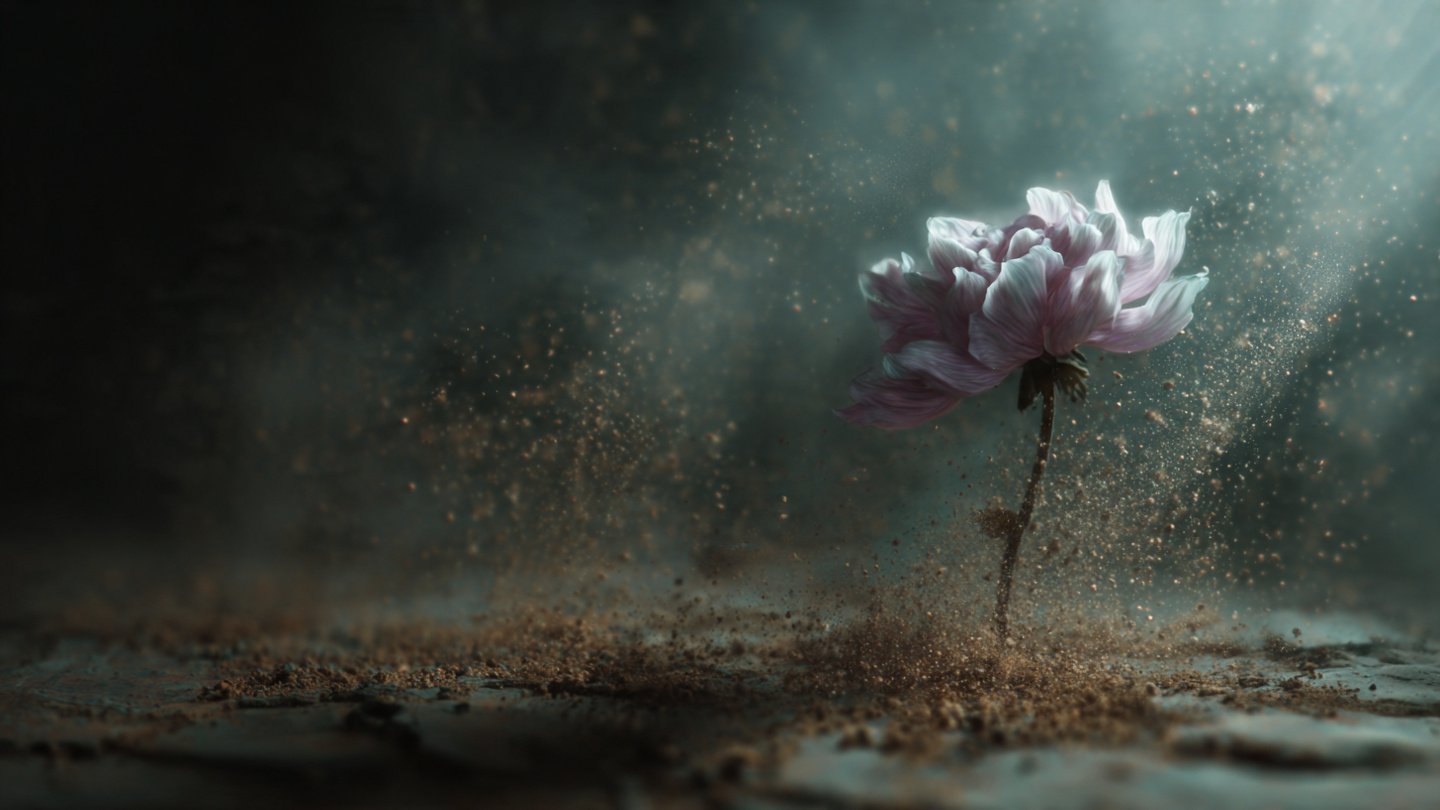
Imagine a flower that doesn’t require fertile soil, a carefully tended garden, or even a constant supply of water. A plant so resilient that it can germinate in barren, dusty landscapes where other vegetation struggles to survive. While this might sound like a story from folklore, certain species truly embody this extraordinary ability. These “dust flowers” are marvels of adaptation, revealing nature’s ingenuity and resilience in the harshest of environments.
The Fascination With Dust-Growing Flowers
Humans have long been captivated by plants that thrive in impossible conditions. From deserts to volcanic ash beds, life often finds a way to persist against the odds. Flowers that can grow from dust—essentially thriving in environments with minimal organic matter—demonstrate the remarkable flexibility of plant life. They challenge our assumptions about growth, survival, and the very definition of fertile soil.
These plants are not only fascinating scientifically; they also inspire gardeners and designers seeking resilient, low-maintenance species that can thrive in difficult conditions. Beyond their ecological role, they symbolize hope, renewal, and the extraordinary power of life to flourish under adversity.
How Can a Flower Grow From Dust?
To understand this phenomenon, it helps to look at what “dust” really is. Dust, in this context, often contains tiny mineral particles, sand, or degraded rock material with little to no organic matter. Traditional plants struggle in such environments because they rely on nutrients from decomposed organic material in the soil.
Dust-growing flowers have evolved remarkable strategies to overcome these challenges:
- Efficient Root Systems: Their roots are specialized to penetrate tiny crevices and absorb scarce water from minimal soil or air moisture. Some roots can even extract nutrients directly from minerals or microscopic organic remnants within dust.
- Dormancy Mechanisms: Seeds often remain dormant until conditions are ideal, sometimes for years. Once moisture or minimal nutrients are available, the seeds quickly germinate and establish themselves before conditions worsen again.
- Symbiotic Relationships: Some dust-adapted flowers form relationships with microorganisms such as fungi or bacteria. These symbionts help the plant access nutrients otherwise unavailable in barren substrates, effectively turning barren dust into a usable resource.
- Water Retention Adaptations: Many of these plants have leaves, stems, or seeds adapted to retain water efficiently. Some can absorb moisture directly from the air or tolerate extreme drought by reducing evaporation.
Examples of Dust-Resilient Flowers
While true “dust flowers” are rare, several species demonstrate similar capabilities:
- Resurrection Plants (Selaginella lepidophylla): Known as the “Rose of Jericho,” these plants can survive complete dehydration. When exposed to water, they unfurl and flourish, appearing almost magical in their revival.
- Desert Marigold (Baileya multiradiata): This hardy wildflower thrives in arid desert soils with minimal organic content, brightening otherwise barren landscapes with vibrant yellow blooms.
- Air Plants (Tillandsia species): While technically not growing in dust, they epitomize the ability to survive without soil. Air plants absorb water and nutrients from the air and can thrive on rocks, sand, or even walls.
- Stonecrop or Sedum: Certain sedums grow in shallow, rocky, or sandy substrates, often appearing in abandoned walls or dusty landscapes. Their succulent leaves store water, enabling survival where other plants fail.
Ecological Importance
Flowers that grow from dust play a critical role in fragile ecosystems. By establishing vegetation in barren areas, they stabilize soil, prevent erosion, and create microhabitats for insects and other small organisms. Over time, their presence can initiate ecological succession, slowly turning inhospitable dust into more fertile environments where additional plants can grow.
In deserts and arid regions, these flowers serve as a lifeline for pollinators. Bees, butterflies, and other insects rely on these blooms for nectar and pollen when other sources are scarce. In this way, dust-resilient flowers support broader ecological networks, sustaining life even in extreme conditions.
Symbolism and Human Inspiration
The flower that grows from dust carries profound symbolic meaning. Across cultures, it represents resilience, renewal, and the idea that life can emerge from adversity. For gardeners, these plants inspire practical lessons about sustainability, minimal intervention, and designing gardens that can withstand challenging conditions.
Artists and writers also draw inspiration from these resilient blooms. The idea that beauty can emerge from barren, dusty landscapes resonates metaphorically with human experiences of perseverance and hope.
Gardening With Dust-Resilient Flowers
For gardeners intrigued by the idea of cultivating hardy flowers, dust-resilient species offer several advantages:
- Low Maintenance: Minimal soil and water requirements make these plants ideal for xeriscaping, rock gardens, or urban environments with poor soil quality.
- Erosion Control: Planting these species on slopes or in dry patches helps prevent dust and soil from washing away, contributing to sustainable landscaping.
- Unique Aesthetics: Flowers growing in dust or rocky substrates provide a striking contrast to traditional garden beds, creating dramatic, naturalistic displays.
When propagating these plants, it’s important to mimic their natural conditions as closely as possible. Loose, sandy, or gritty soil, good drainage, and controlled watering encourage natural growth patterns. Avoid over-fertilizing, as many dust-adapted species thrive precisely because they have learned to flourish with minimal nutrients.
Scientific Research and Future Potential
Scientists study dust-adapted flowers not just for their ecological value, but for insights into plant resilience and climate adaptation. Understanding how these plants germinate, absorb nutrients, and conserve water offers lessons for agriculture, particularly in arid and degraded lands.
Researchers are exploring how these adaptations could inform drought-tolerant crops or sustainable landscaping in urban environments. As climate change increases drought and desertification, the lessons hidden in these hardy flowers become increasingly relevant.
Conclusion
The flower that can grow from dust is a testament to life’s extraordinary adaptability. Through specialized roots, efficient water management, symbiotic relationships, and clever survival strategies, these plants defy conventional expectations of soil, nutrients, and water. They bring beauty to barren landscapes, support fragile ecosystems, and inspire humans with their resilience and grace.
Whether you encounter them in a desert, a rock garden, or a carefully curated urban landscape, these flowers remind us that life persists even in the harshest conditions. They are nature’s quiet miracle—a symbol of hope, adaptation, and the hidden potential lying in even the most unassuming dust.