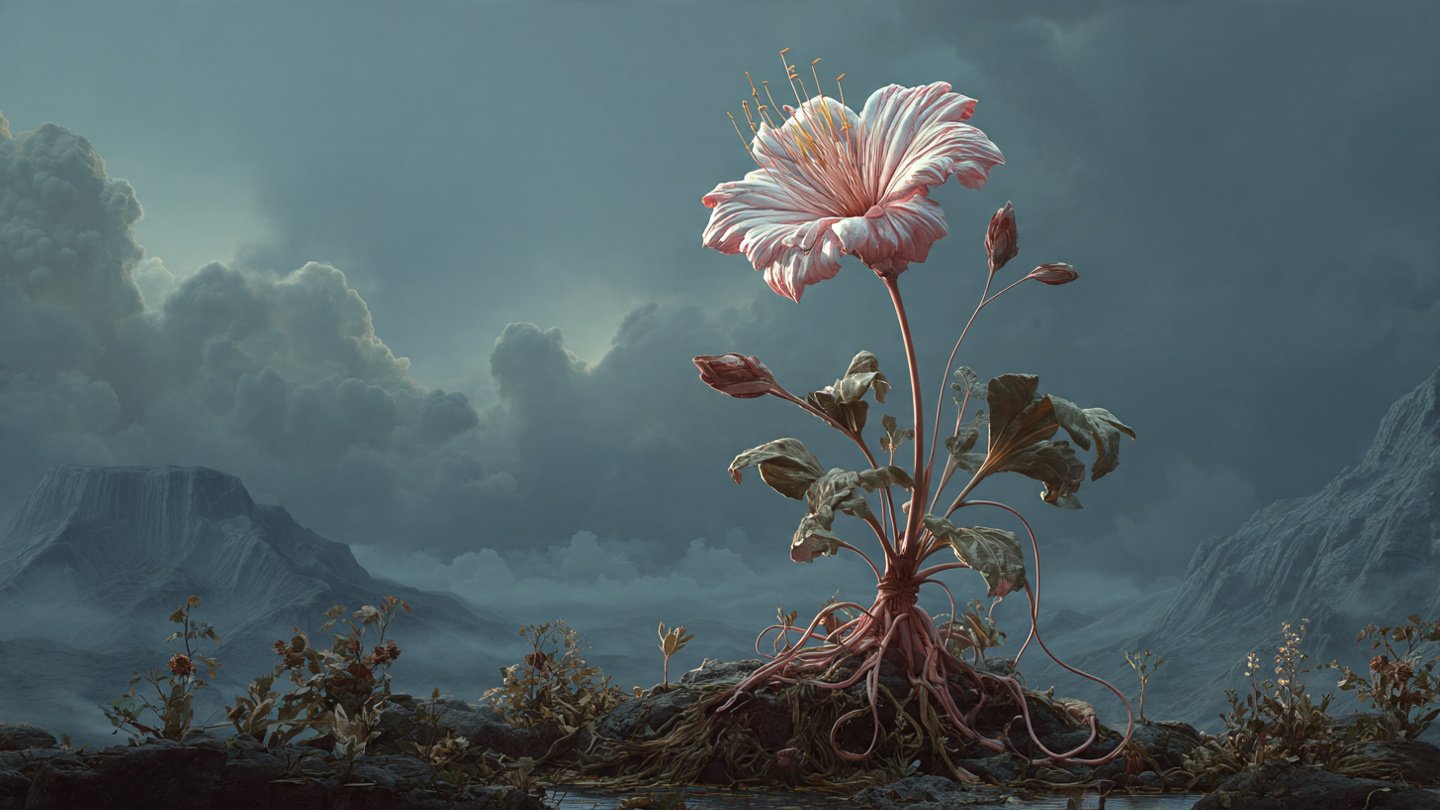
Flowers have fascinated humans for centuries—not just for their beauty and fragrance but also for the mysteries they hold about resilience and survival. Among these, certain flowers have captured the attention of botanists and nature enthusiasts alike because they have persisted through centuries, enduring environmental changes, natural disasters, and human activity. But what makes these flowers so extraordinary? How have they survived for so long, and what secrets do they reveal about nature, adaptation, and even human history?
In this article, we explore the remarkable stories, biology, and survival strategies of flowers that have stood the test of time, uncovering lessons that go far beyond horticulture.
The Flower That Defies Time
Some flowers are not only timeless in their beauty but also in their ability to survive across centuries. While most plants have relatively short lifespans, a few species exhibit extraordinary longevity through unique adaptations. These flowers are often found in isolated habitats, protected environments, or areas with minimal human interference, allowing them to persist for hundreds, sometimes thousands, of years.
Examples include:
- Welwitschia mirabilis: Found in the Namib Desert, this plant can live for over a thousand years and survives extreme arid conditions.
- Ginkgo biloba flowers: Often called “living fossils,” ginkgo trees have existed for over 200 million years, with their blossoms revealing resilience to climate changes and urban environments.
- Rare alpine flowers: High-altitude flowers survive harsh winters, limited soil nutrients, and extreme UV radiation, making them natural models of longevity.
These species teach us that survival is often less about speed and more about adaptation, resilience, and timing.
Adaptations That Enable Survival
What allows some flowers to endure for centuries while others fade in decades? The answer lies in their incredible adaptations:
1. Resilient Reproductive Strategies
- Seed longevity: Many ancient flowers produce seeds capable of remaining dormant for decades or even centuries, waiting for ideal conditions to germinate.
- Clonal reproduction: Some plants reproduce asexually through underground stems or runners, effectively creating genetically identical copies that persist even if individual flowers die.
- Pollination flexibility: Flowers that can attract multiple pollinators or self-pollinate have higher chances of survival in fluctuating environments.
2. Environmental Adaptations
Flowers that have survived for centuries often thrive in extreme conditions:
- Drought resistance: Thick leaves, waxy coatings, and deep roots help flowers survive prolonged dry periods.
- Cold tolerance: Alpine and tundra flowers withstand freezing temperatures and snow cover, resuming growth quickly once conditions improve.
- Soil adaptation: Many long-lived flowers can thrive in nutrient-poor soils, drawing sustenance from minerals that other plants cannot utilize.
These adaptations demonstrate the remarkable ways plants interact with their environment, making them resilient to climate change and natural challenges.
3. Defense Mechanisms
- Chemical defenses: Some flowers produce compounds that deter herbivores and prevent fungal infections, allowing them to thrive over centuries.
- Structural defenses: Thorns, thick stems, and tough leaves protect flowers from physical damage and predation.
- Camouflage and mimicry: Certain flowers blend into their surroundings or mimic other species to reduce the likelihood of being eaten.
These survival mechanisms illustrate the complexity of nature’s design and the ways flowers protect themselves over time.
Lessons from Centuries-Old Flowers
Studying these long-lived flowers reveals not only biological secrets but also insights into resilience and longevity that extend beyond the plant kingdom.
- Patience and persistence: Survival is often about enduring adverse conditions patiently rather than growing rapidly.
- Adaptability: Flexibility in reproduction, growth patterns, and environmental tolerance is key to long-term survival.
- Interconnectedness: Many ancient flowers rely on symbiotic relationships with fungi, insects, or other plants, highlighting the importance of ecological balance.
- Genetic stability: Flowers that have survived for centuries often maintain stable genomes, reducing vulnerability to mutations and disease.
These lessons can inspire approaches in agriculture, horticulture, and even human sustainability strategies.
The Cultural and Historical Significance
Flowers that endure centuries are often woven into cultural, spiritual, and historical narratives:
- Ginkgo trees: Worshipped in China and planted in temples, these trees symbolize endurance, peace, and resilience.
- Lotus flowers: Revered in ancient civilizations for their purity and ability to bloom in murky waters, symbolizing spiritual enlightenment and timelessness.
- Ancient wildflowers: Some species are used as traditional medicine, reflecting knowledge passed down for generations.
The survival of these flowers is not just biological; it is a bridge connecting human history, culture, and nature.
Challenges Faced by Long-Lived Flowers Today
Despite their resilience, centuries-old flowers face modern threats:
- Urbanization and habitat loss: Expanding cities destroy natural habitats where these flowers thrive.
- Climate change: Shifts in temperature and precipitation patterns can disrupt flowering cycles and seed germination.
- Invasive species: Competing plants or pests introduced by humans threaten the survival of native long-lived flowers.
- Pollution: Air and soil contamination can reduce the fertility and lifespan of even the hardiest species.
Protecting these plants requires careful conservation efforts, habitat preservation, and sustainable gardening practices.
How We Can Preserve These Botanical Wonders
- Botanical gardens and seed banks: Institutions around the world conserve seeds and specimens of long-lived flowers for research and restoration.
- Native planting: Encouraging the cultivation of native species in gardens supports biodiversity and the survival of ancient flowers.
- Eco-friendly practices: Reducing chemical use, limiting habitat disruption, and maintaining ecological balance ensures these flowers continue to thrive.
- Community awareness: Educating people about the value of ancient flowers encourages participation in preservation initiatives.
Through these efforts, we can ensure that future generations experience the wonder and lessons these flowers hold.
Scientific Insights from Long-Lived Flowers
Studying flowers that have survived centuries provides valuable information for science and medicine:
- Genetic research: Insights into genes responsible for longevity, stress resistance, and disease resilience.
- Phytochemistry: Discovery of compounds that may have medicinal properties.
- Climate adaptation studies: Understanding how ancient plants survive environmental changes informs strategies for crop resilience under global warming.
These flowers are living laboratories, offering knowledge that can benefit both ecology and human health.
Final Thoughts
The flower that has survived for centuries is more than a botanical marvel—it is a symbol of resilience, adaptability, and the intricate balance of nature. Its secrets reveal how life can endure through extreme conditions, changing climates, and even human interference. By studying and protecting these extraordinary flowers, we gain not only biological knowledge but also lessons in patience, sustainability, and harmony with the environment.
From their survival strategies to their cultural significance, these flowers remind us that longevity is not just about surviving but thriving with grace, resilience, and beauty. Whether you are a gardener, a nature enthusiast, or a curious observer, exploring the world of long-lived flowers offers inspiration and insight that transcends centuries.