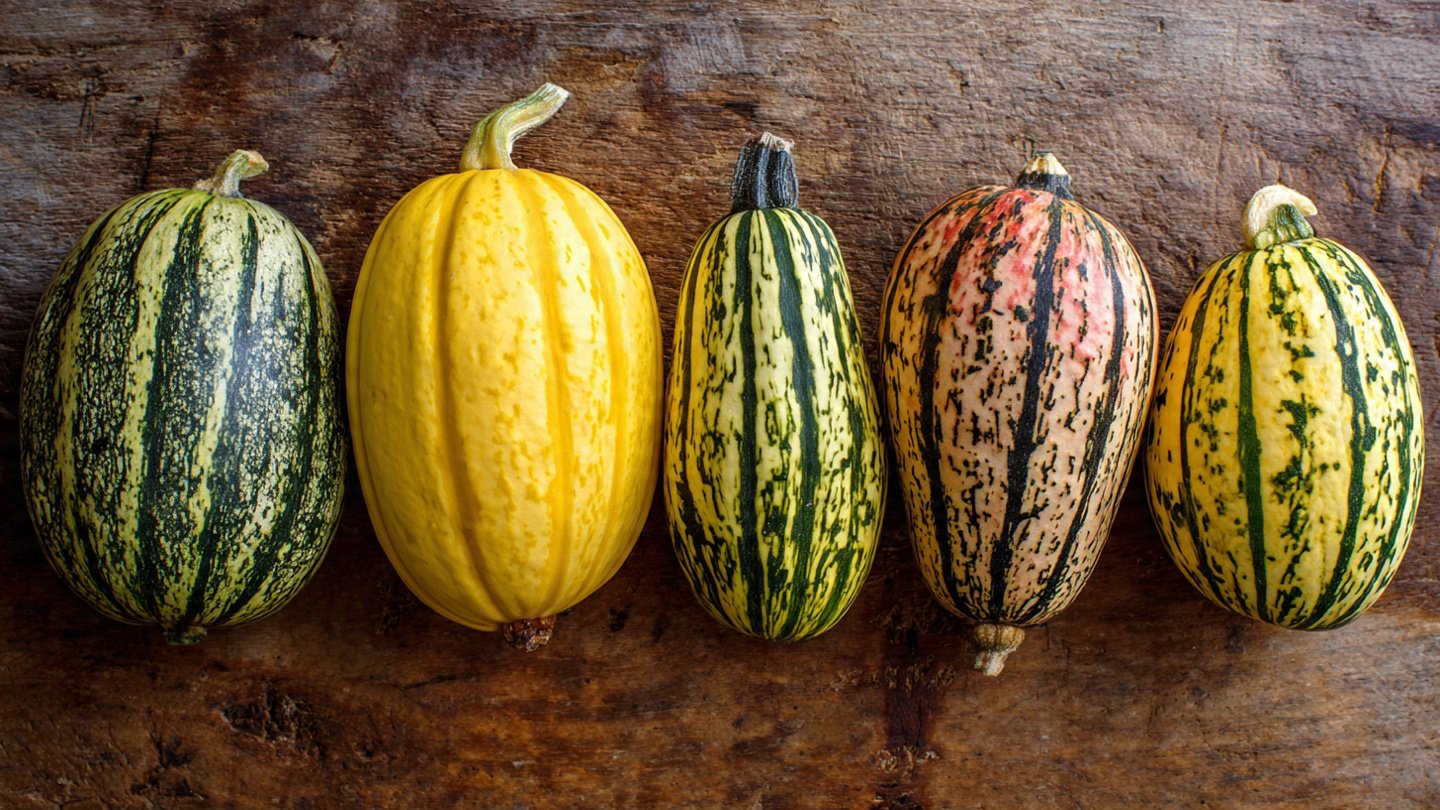
As the days grow shorter and temperatures dip, nothing beats a steaming bowl of homemade winter soup. One of the most versatile ingredients for hearty soups is squash, with varieties like butternut, acorn, kabocha, and pumpkin offering creamy textures and rich flavors. While you can buy squash from the store, there’s something truly satisfying about harvesting it from your own garden. Growing squash at home allows you to enjoy fresher, more flavorful produce and gives you full control over the process, from planting to harvest. If you’ve ever wondered how to cultivate squash for your winter soups, this guide unveils the secrets to achieving a bountiful crop.
Why Grow Your Own Squash?
Homegrown squash offers numerous advantages over store-bought varieties:
- Flavor and Freshness: Freshly picked squash has a deeper, sweeter flavor than most commercial options, which often sit in storage for weeks.
- Variety Selection: Growing your own allows you to experiment with heirloom and specialty varieties not always available in stores.
- Cost Savings: Seeds are inexpensive, and a few plants can produce a surprising amount of squash.
- Sustainability: Cultivating your own vegetables reduces packaging waste and carbon footprint from store-bought produce.
Choosing the Right Squash Variety
Not all squash are created equal, and selecting the right variety is crucial for delicious winter soups. Some popular options include:
- Butternut Squash: Sweet, nutty flavor; ideal for creamy soups and roasting.
- Acorn Squash: Smaller, with a slightly peppery taste; perfect for individual soup servings.
- Kabocha Squash: Rich, sweet, and creamy; excellent for purees.
- Pumpkin: Classic flavor; adds natural sweetness and depth to soups.
When selecting seeds, consider your climate, available space, and storage capacity. Winter squash varieties generally need longer growing seasons and warm weather, so planting at the right time is key.
Preparing Your Garden for Squash
Squash plants thrive in sunny locations with well-draining, fertile soil. Here’s how to prepare your garden:
- Soil Preparation: Squash prefers slightly acidic to neutral soil (pH 6.0–7.0). Enrich the soil with compost or well-rotted manure to provide essential nutrients.
- Space Planning: Squash vines can spread aggressively. Provide at least 3–4 feet between plants or use vertical trellises for vining varieties.
- Sunlight: Ensure your plants receive at least 6–8 hours of direct sunlight daily. Sunlight is crucial for strong growth and high yields.
Planting Squash Seeds
Planting is the foundation of a successful harvest. Follow these tips for best results:
- Timing: Plant seeds after the last frost date in your region. Soil temperature should be at least 60°F (16°C) for optimal germination.
- Depth: Sow seeds 1–2 inches deep. For vining types, plant 2–3 seeds per hill; for bush varieties, space seeds 12–18 inches apart.
- Watering: Keep the soil consistently moist until germination. Avoid waterlogging, which can rot seeds.
Caring for Your Squash Plants
Proper care during the growing season ensures healthy plants and abundant fruit:
- Watering: Squash needs 1–2 inches of water per week. Water deeply at the base rather than from overhead to prevent fungal diseases.
- Mulching: Apply organic mulch around the base to retain moisture, suppress weeds, and regulate soil temperature.
- Fertilization: Feed plants every 3–4 weeks with a balanced fertilizer or compost tea. Squash are heavy feeders, and consistent nutrients improve fruit size and flavor.
- Pollination: Squash flowers rely on bees for pollination. If natural pollinators are scarce, hand-pollinate by transferring pollen from male to female flowers with a small brush.
- Pest Management: Watch for squash bugs, vine borers, and aphids. Use row covers early in the season and natural insecticidal sprays if needed.
Harvesting Your Winter Squash
Timing your harvest correctly is essential for long-lasting squash that enhances winter soups:
- Maturity Indicators: Squash is ready to harvest when the rind is hard and cannot be punctured with your fingernail. Color should be fully developed for the variety.
- Cutting: Use a sharp knife or garden shears to cut the fruit, leaving 1–2 inches of stem attached to prolong storage life.
- Curing: Cure squash in a warm, dry place for 7–14 days to harden the skin and improve sweetness.
Storing Squash for Winter Soups
Proper storage allows you to enjoy homegrown squash throughout the winter:
- Temperature: Store in a cool, dark, well-ventilated area (50–55°F / 10–13°C). Avoid damp areas, which can cause rot.
- Shelf Life: Butternut, acorn, and kabocha can last 2–6 months with proper storage. Pumpkin varieties typically last 3–4 months.
- Preparation: For soups, peel, cube, and freeze portions if you prefer pre-prepared ingredients for convenience.
Using Squash in Winter Soups
Homegrown squash elevates soups with its natural sweetness and creamy texture. Some tips:
- Roasting First: Roasting squash before adding it to soups enhances its flavor. Lightly coat with olive oil and roast at 400°F (200°C) until tender.
- Blending: For creamy soups, puree roasted or boiled squash in a blender with stock, herbs, and seasoning.
- Flavor Pairings: Cinnamon, nutmeg, garlic, ginger, and fresh herbs complement the natural sweetness of squash. Coconut milk or cream can add richness.
Creative Squash Soup Ideas
- Classic Butternut Squash Soup: Roast butternut cubes, blend with vegetable stock, sautéed onions, and a touch of cream.
- Kabocha Ginger Soup: Blend kabocha squash with fresh ginger, coconut milk, and a hint of lime for a tropical twist.
- Acorn Squash Apple Soup: Combine roasted acorn squash with apple puree, sage, and a pinch of nutmeg for a sweet-savory flavor.
- Pumpkin Lentil Soup: Use pumpkin as the base, add red lentils, spices, and herbs for a hearty, protein-packed winter meal.
Final Tips for Success
Growing squash for winter soups is both rewarding and delicious. To maximize your success:
- Rotate crops each year to prevent soil-borne diseases.
- Keep an eye on weather conditions; squash thrives in warm, consistent temperatures.
- Experiment with different varieties to find your favorite flavors for soups.
- Preserve your harvest by freezing, roasting, or turning it into purees for easy winter cooking.
By following these secrets, you can cultivate your own squash garden and enjoy fresh, homegrown ingredients for comforting winter soups. From planting the seeds to savoring the first spoonful of creamy soup, growing squash is a journey that brings satisfaction and flavors you won’t find in any store-bought variety. Your kitchen will be filled with the aroma of freshly harvested squash, and your family will appreciate the taste of wholesome, homemade meals straight from your garden.