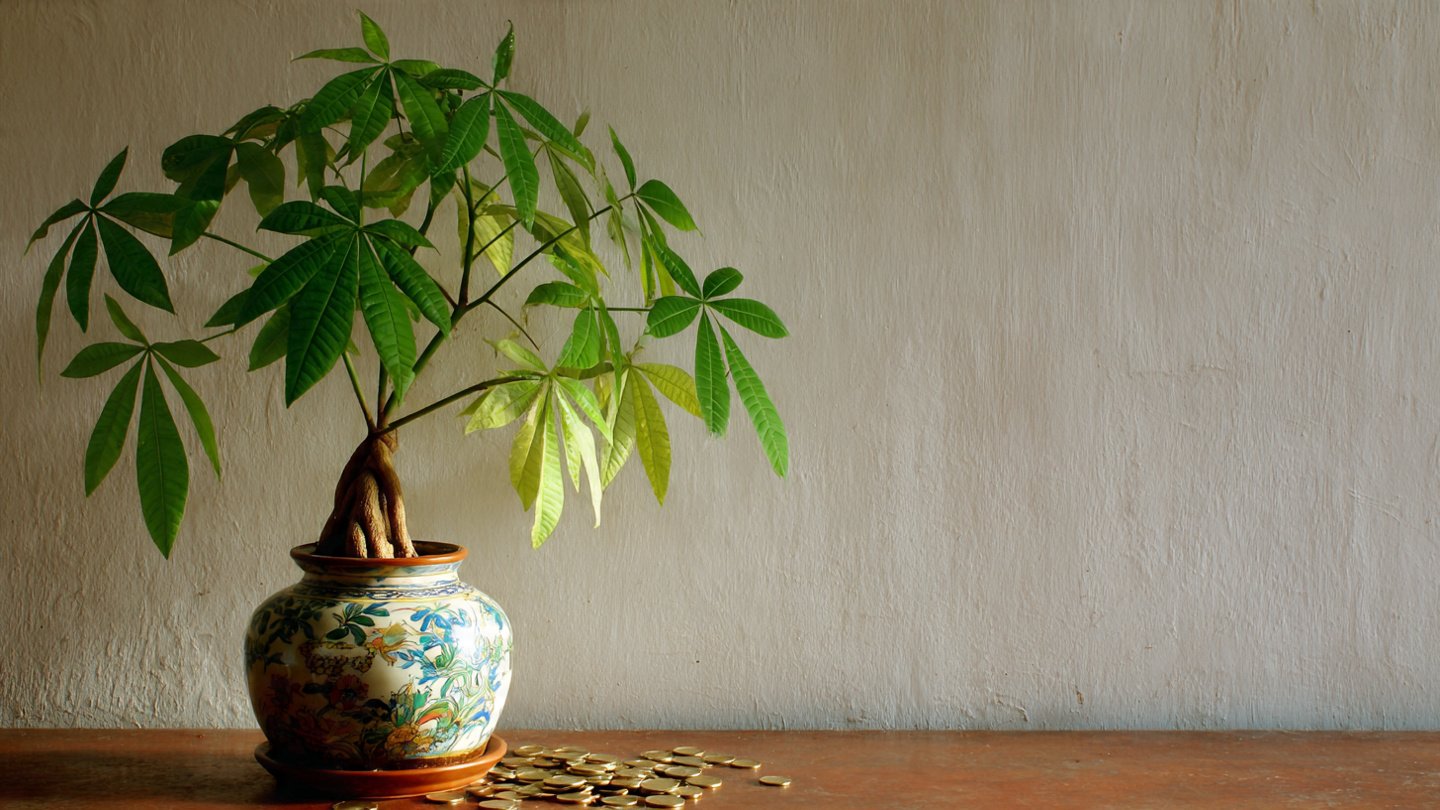
The money tree (Pachira aquatica) is beloved by plant enthusiasts for its lush green foliage, braided trunk, and the promise of prosperity it symbolizes in many cultures. Yet, one of the most common concerns for owners is leaf drop. A healthy money tree should maintain vibrant, glossy leaves, but sudden or gradual leaf loss can be alarming. Understanding the hidden causes behind this phenomenon can help you correct the problem and restore your plant’s vitality.
Understanding the Money Tree
Native to Central and South America, the money tree thrives in humid, warm conditions with indirect light. It is relatively low-maintenance, which makes it a popular choice for homes and offices. Its leaves are broad, glossy, and arranged in clusters of five, giving the plant a lush appearance.
While money trees are hardy, their leaves are sensitive to environmental changes. Leaf drop is often a signal of stress, and identifying the root cause is key to preventing further loss.
1. Overwatering: The Silent Killer
One of the most common reasons money trees shed leaves is overwatering. These plants are tropical, but their roots are prone to rot if they remain waterlogged. Signs of overwatering include:
- Yellowing leaves before they drop
- Soft or mushy roots
- Soil that feels constantly wet
To remedy this, ensure your money tree is planted in well-draining soil and a pot with drainage holes. Allow the top 1–2 inches of soil to dry before watering again. A moisture meter can be helpful to prevent accidental overwatering.
2. Underwatering: Leaves Can’t Stay Hydrated
Conversely, underwatering can also trigger leaf drop. When a money tree doesn’t receive enough water, it conserves resources by shedding leaves, especially older ones. Signs of underwatering include:
- Dry, crispy leaf edges
- Drooping or curling leaves
- Stems that appear shriveled
To correct this, water the plant deeply until water drains from the pot’s bottom, then allow the soil to dry slightly before the next watering. Regular monitoring is key, especially in dry indoor environments.
3. Light Stress: Too Much or Too Little
Money trees thrive in bright, indirect light. Exposure to direct sunlight can scorch leaves, causing brown patches and eventual leaf loss. On the other hand, insufficient light can make the plant weak and cause leaves to yellow and drop.
- Too much light: Leaves may appear bleached or burnt.
- Too little light: Leaves may turn yellow and drop off due to insufficient energy production through photosynthesis.
Solution: Place your money tree near a window with filtered sunlight or use a sheer curtain to diffuse intense rays. If natural light is limited, consider using a grow light to supplement.
4. Sudden Environmental Changes
Money trees are sensitive to sudden temperature or humidity fluctuations. Common triggers include:
- Moving the plant to a new location
- Drafts from air conditioners or heaters
- Rapid changes in temperature
These changes can shock the plant, causing leaves to fall as a survival mechanism. To minimize stress, acclimate your money tree gradually when relocating it and maintain consistent indoor temperatures between 65–75°F (18–24°C).
5. Pests and Diseases
Although relatively hardy, money trees are not immune to pests. Common culprits include:
- Spider mites: Tiny, web-producing insects that cause speckled or dry leaves.
- Mealybugs: White, cotton-like clusters that feed on plant sap.
- Scale insects: Small brown or tan bumps on stems and leaves.
Pest infestations weaken the plant, leading to leaf drop. Inspect your plant regularly, especially the undersides of leaves, and treat infestations promptly with insecticidal soap or neem oil.
Fungal infections, often caused by overwatering, can also damage leaves and stems. Removing affected leaves and adjusting watering practices helps prevent recurrence.
6. Nutrient Deficiency
A lack of essential nutrients can also trigger leaf drop. While money trees don’t require heavy fertilization, deficient soil can make leaves yellow and fall prematurely. Signs include:
- Pale or yellowing leaves
- Slow or stunted growth
- Weak stems
Feed your money tree with a balanced, water-soluble fertilizer every 4–6 weeks during the growing season (spring and summer). Avoid overfertilizing, as excess salts can burn roots and worsen leaf loss.
7. Natural Aging
Not all leaf drop is a sign of poor care. Older leaves naturally age and fall as part of the plant’s life cycle. These are typically larger, lower leaves that yellow before dropping, while new growth continues at the top. Observing your plant over time helps differentiate normal shedding from stress-related leaf drop.
8. Repotting Stress
If you recently repotted your money tree, it might drop some leaves due to root disturbance. This is a temporary response, and with proper care — adequate water, light, and stability — the plant usually recovers and produces new leaves.
Tip: Avoid fertilizing immediately after repotting; allow the plant to acclimate for a few weeks first.
How to Revive a Leaf-Dropping Money Tree
- Check the soil moisture: Adjust watering practices based on whether the soil is too wet or too dry.
- Inspect for pests: Treat infestations promptly with organic solutions like neem oil.
- Assess lighting conditions: Ensure bright, indirect light; avoid direct sun or overly dark locations.
- Maintain stable temperature and humidity: Avoid drafts and sudden changes.
- Prune damaged leaves: Removing yellow or brown leaves redirects energy to healthy growth.
- Fertilize correctly: Use a balanced fertilizer during the growing season, but avoid excess.
- Be patient: Recovery may take several weeks; monitor new leaf growth as a sign of improvement.
Preventing Future Leaf Drop
- Consistent care: Regular watering, balanced nutrition, and proper light.
- Environmental stability: Avoid moving the plant frequently.
- Humidity support: Use a pebble tray or humidifier in dry indoor environments.
- Regular inspection: Early detection of pests or diseases prevents widespread leaf loss.
By understanding the hidden factors that contribute to leaf drop, you can prevent stress and maintain a healthy, thriving money tree.
Final Thoughts
Leaf shedding in a money tree is rarely random. Whether caused by overwatering, underwatering, light stress, pests, or natural aging, it’s the plant’s way of signaling stress or environmental change. By carefully diagnosing the cause and adjusting care practices, you can restore your plant’s health and encourage lush, vibrant growth.
Remember, a well-cared-for money tree can thrive for many years, offering both aesthetic pleasure and the symbolic promise of prosperity. Observing your plant closely, maintaining consistent care, and responding to early warning signs are the keys to preventing leaf drop and keeping your money tree healthy and flourishing.