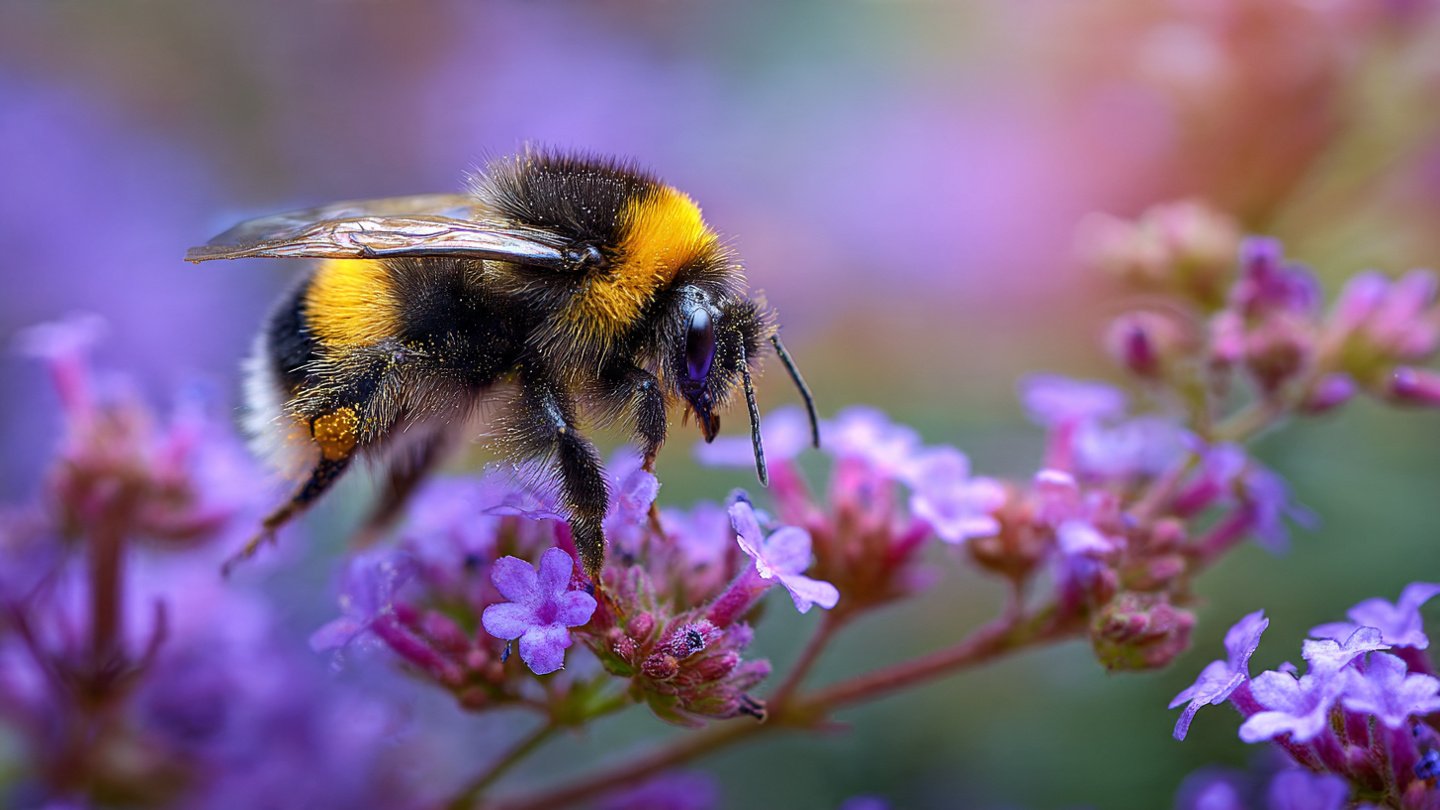
Gardens are often thought of as places of relaxation, beauty, and personal enjoyment. But did you know your backyard could play a vital role in supporting local ecosystems? Specifically, your garden can become an unexpected sanctuary for pollinators — bees, butterflies, hummingbirds, and even some beetles and flies — all of which are crucial to maintaining biodiversity and food production. Understanding what attracts and sustains these tiny yet essential creatures can turn your ordinary garden into a thriving pollinator paradise.
Why Pollinators Matter
Pollinators are responsible for fertilizing many of the plants that provide fruits, vegetables, seeds, and flowers. Without them, ecosystems and agriculture would struggle. According to the Food and Agriculture Organization, over 75% of global food crops depend, at least in part, on pollination. Beyond food, pollinators support the health of wild plants, which in turn stabilizes soil, supports other wildlife, and contributes to cleaner air and water. By making a few thoughtful choices in your garden, you can directly contribute to the survival and flourishing of these critical species.
Planting a Pollinator-Friendly Garden
One of the most effective ways to attract pollinators is through careful plant selection. Native plants are a top choice because they have evolved alongside local pollinators and provide the food and habitat these creatures need. For example, wildflowers such as coneflowers, milkweed, and black-eyed Susans offer nectar and pollen that bees and butterflies adore. Grouping these plants in clusters can make it easier for pollinators to locate them, reducing the energy they expend in search of food.
Diversity is key. Including a variety of flower shapes, sizes, and colors can cater to different species. Tubular flowers, like bee balm or trumpet vine, attract hummingbirds and long-tongued bees, while open flowers, such as daisies and marigolds, welcome short-tongued bees and butterflies. Staggering bloom times across seasons ensures a continuous food source, making your garden a reliable haven year-round.
Creating Habitat and Shelter
Pollinators don’t just need food — they also need shelter. Incorporating features like native shrubs, tall grasses, or even small piles of logs or rocks can provide hiding places for insects to rest, overwinter, or escape predators. Mason bees, for instance, require hollow stems or small holes in wood to lay their eggs. Installing a simple bee hotel or leaving a section of your garden undisturbed can dramatically increase the number of pollinators visiting your space.
Water is another often-overlooked necessity. A shallow dish with fresh water, small pebbles for landing spots, or even a birdbath can serve as a hydration station for many pollinators. Just make sure the water is changed regularly to prevent mosquito breeding and to keep it fresh for visitors.
Avoiding Harmful Practices
One of the biggest threats to pollinators is human activity, particularly the use of chemical pesticides and herbicides. Even products labeled as “safe” can harm bees and butterflies by contaminating nectar or killing the plants they rely on. Opting for organic gardening methods or targeted pest management strategies helps protect these vital creatures while still maintaining plant health.
Additionally, removing invasive plant species from your garden allows native plants to flourish. Invasive species can outcompete the very plants that pollinators depend on, effectively reducing food sources and habitat availability.
Providing a Continuous Food Supply
To maintain a thriving pollinator population, aim to provide a sequence of blooms throughout the growing season. Early-blooming plants like crocuses and daffodils support pollinators coming out of winter dormancy, while summer favorites like lavender, sunflowers, and zinnias keep them nourished during peak activity. Late bloomers such as goldenrod and asters offer sustenance as pollinators prepare for winter.
Also, consider planting host plants for butterfly larvae. For example, milkweed is the only plant that monarch caterpillars can eat. By supporting the entire lifecycle of pollinators, your garden becomes more than just a food source—it becomes a full ecosystem.
Encouraging Beneficial Insects
Not all insects are pests. Ladybugs, lacewings, and certain predatory wasps can help maintain a healthy garden while coexisting with pollinators. By providing diverse habitats and reducing chemical use, you encourage a balanced ecosystem where pollinators and other beneficial insects thrive side by side.
The Community Impact
Your pollinator-friendly garden can have effects beyond your property. When local pollinators flourish, they contribute to nearby gardens, parks, and even farms, boosting crop yields and enhancing the local environment. Creating corridors of flowering plants in your neighborhood can help pollinators travel safely and sustainably between areas, improving biodiversity on a community-wide scale.
Final Thoughts
Transforming your garden into a sanctuary for pollinators doesn’t require a massive overhaul. By incorporating native plants, providing shelter and water, avoiding harmful chemicals, and supporting year-round blooms, your garden can become a lifeline for local pollinators. Not only will you help these vital creatures survive and thrive, but you’ll also enjoy a more vibrant, diverse, and productive garden.
Every small action counts. Whether it’s planting a single milkweed patch for monarchs or installing a bee hotel for solitary bees, your garden has the potential to be more than just a personal retreat—it can be an unexpected sanctuary where pollinators find refuge, nourishment, and the chance to sustain our natural world.
By being thoughtful and intentional in your gardening, you can make a tangible difference, one flower at a time. Your garden can bloom with beauty while buzzing with life, supporting the intricate dance of nature that sustains us all.