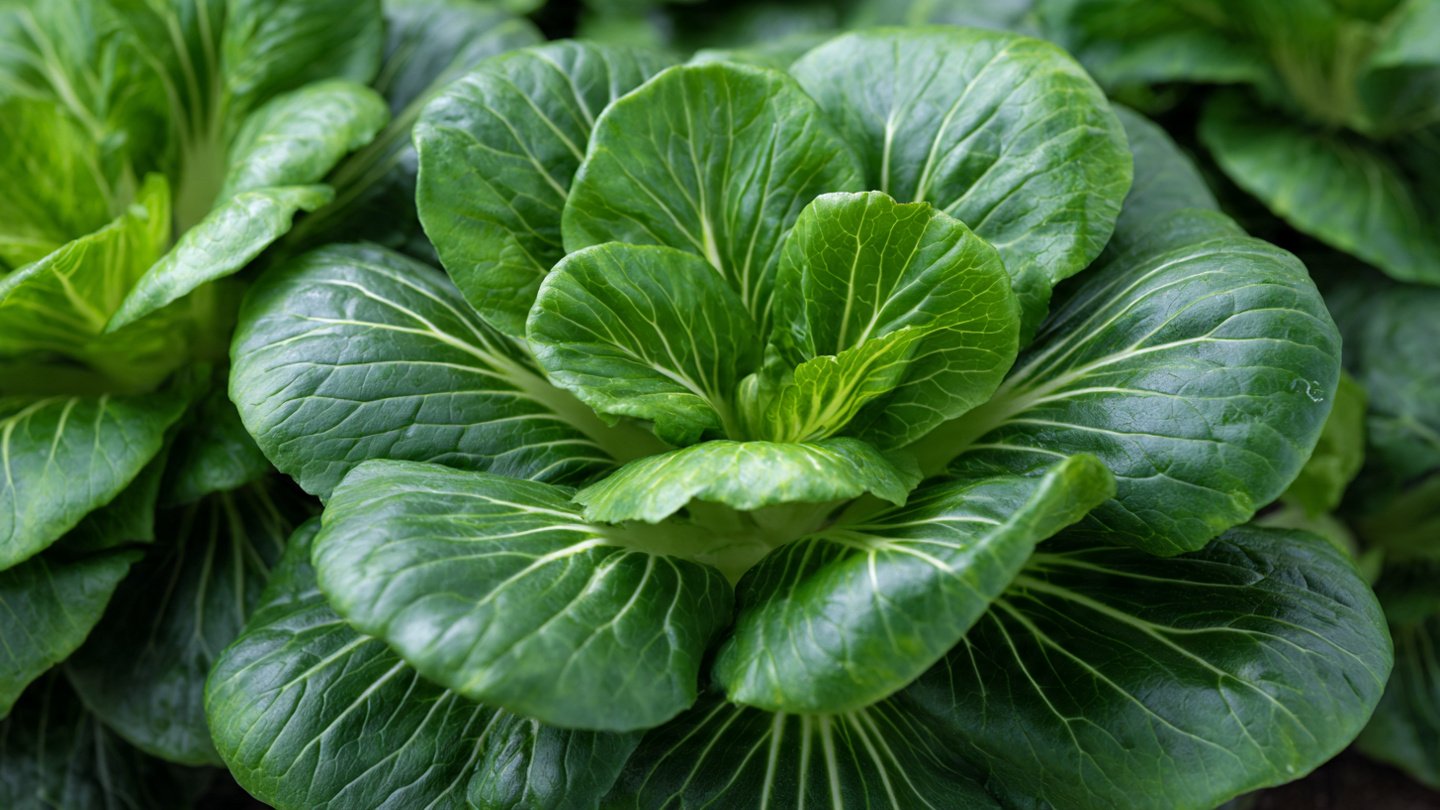
Tatsoi, a lesser-known leafy green in the mustard family, has been gaining popularity among home gardeners and chefs alike. Its tender, spoon-shaped leaves, mild flavor, and rapid growth make it ideal for salads, soups, and especially stir-fries. While Tatsoi can grow quickly in any garden, achieving large, lush leaves requires attention to soil, sunlight, watering, and regular care. This guide provides a comprehensive approach to growing Tatsoi that thrives, producing impressive leaves perfect for stir-fry dishes.
Understanding Tatsoi
Tatsoi (Brassica rapa var. rosularis) is an Asian green similar to bok choy and mustard greens. It has dark green, spoon-shaped leaves that grow in tight rosettes, making it both attractive and productive in gardens. Unlike many leafy greens, Tatsoi can tolerate cooler temperatures, grows quickly, and resists bolting when cared for correctly.
Its key benefits include:
- Fast-growing, with harvest possible in as little as 30 days
- Mild, slightly nutty flavor ideal for stir-fries
- Compact growth suitable for raised beds, containers, and garden plots
- High nutritional content, including vitamins A, C, and calcium
Selecting the Right Variety
Several varieties of Tatsoi are available, and choosing the right one sets the stage for large, healthy leaves.
Recommended Varieties:
- Tokyo Bekana: Large, tender leaves, ideal for stir-fries
- Jade Pagoda: Fast-growing, compact rosettes
- Rosette Tatsoi: Produces broad leaves that thrive in containers or garden beds
When selecting seeds, choose fresh, high-quality options to ensure rapid germination and healthy growth.
Soil Preparation for Maximum Growth
Tatsoi thrives in fertile, well-draining soil. Rich soil encourages bigger leaves and a stronger root system.
Soil Requirements:
- Loamy, nutrient-rich soil with good drainage
- Slightly acidic to neutral pH (6.0–7.0)
- Organic matter such as compost or well-rotted manure
Soil Preparation Steps:
- Loosen the soil to a depth of 8–12 inches
- Mix in 2–3 inches of compost or organic matter
- Remove stones and debris to allow unobstructed root growth
Healthy soil ensures rapid, consistent leaf development and reduces stress that can lead to slow growth or bolting.
Sowing Tatsoi Seeds
Proper sowing is critical for healthy growth. Tatsoi seeds germinate quickly under ideal conditions.
Steps for Sowing:
- Sow seeds ¼–½ inch deep, directly in garden beds or containers
- Space seeds 6–8 inches apart for large leaves
- Keep soil consistently moist until germination, usually within 5–7 days
- Thin seedlings if necessary to prevent overcrowding
For continuous harvest, consider sowing seeds every 2–3 weeks. This staggering ensures a steady supply of fresh leaves for stir-fries.
Sunlight and Temperature Requirements
Tatsoi prefers cool to moderate temperatures but still requires adequate sunlight for large leaves.
Ideal Growing Conditions:
- Full sun for 4–6 hours daily is sufficient, especially in cooler climates
- Partial shade can help in hot summer months to prevent leaf scorch
- Optimal temperatures: 50–75°F (10–24°C)
Providing the right sunlight and protection from extreme heat encourages larger, more tender leaves.
Watering for Incredible Leaf Size
Consistent moisture is critical for Tatsoi to reach its full potential. Dry soil can cause stress, leading to smaller leaves and premature bolting.
Watering Guidelines:
- Keep soil evenly moist but not waterlogged
- Water at the base of the plant to prevent fungal issues
- Mulch around plants to conserve moisture and regulate temperature
Regular watering encourages steady growth, resulting in fuller, more vibrant leaves ideal for stir-frying.
Fertilization for Vigorous Growth
Tatsoi benefits from balanced fertilization, particularly nitrogen, which promotes leafy growth.
Fertilization Tips:
- Apply compost or organic fertilizer at planting
- Use a balanced, nitrogen-rich fertilizer every 2–3 weeks
- Avoid over-fertilization, which can lead to weak stems or overly soft leaves
Healthy, nutrient-rich soil combined with proper feeding encourages large, robust leaves that stand out in stir-fry dishes.
Spacing and Thinning for Large Leaves
Crowded plants produce smaller leaves due to competition for nutrients and sunlight.
Best Practices:
- Space plants at least 6–8 inches apart
- Thin seedlings once they develop 2–3 true leaves
- Maintain proper airflow to reduce disease risk
Adequate spacing ensures each plant receives sufficient nutrients and sunlight, encouraging leaf enlargement.
Pest and Disease Management
Tatsoi is generally hardy, but it can be affected by pests such as aphids, flea beetles, and cabbage worms.
Prevention and Control:
- Inspect plants regularly for signs of pests
- Spray neem oil or insecticidal soap as needed
- Remove damaged leaves promptly
- Maintain proper spacing and airflow to reduce fungal problems
Healthy, stress-free plants develop larger, more tender leaves.
Harvesting for Maximum Leaf Quality
The timing of harvest affects both leaf size and flavor.
Harvest Guidelines:
- Pick outer leaves once they reach 4–6 inches for immediate use
- For stir-fries, select medium-sized, tender leaves to avoid toughness
- Continuous harvesting encourages the plant to produce new leaves
- Avoid harvesting all leaves at once to allow regrowth
Regular, careful harvesting ensures a consistent supply of high-quality Tatsoi for culinary use.
Companion Planting for Enhanced Growth
Tatsoi grows well alongside other cool-season vegetables like:
- Spinach
- Lettuce
- Kale
- Radishes
Companion planting can improve soil health, reduce pest pressure, and create a more productive garden space.
Seasonal Adjustments
Tatsoi thrives in cool weather and can tolerate light frosts, making it suitable for early spring or fall planting.
Seasonal Tips:
- Summer: Provide partial shade and increase watering to prevent bolting
- Winter: Use cold frames or row covers in colder regions
- Spring/Fall: Optimal growth with consistent watering and nutrient-rich soil
Adjusting care according to season helps the plant develop large, tender leaves year-round.
Common Mistakes to Avoid
- Crowding seedlings, leading to small, stunted leaves
- Overwatering, causing root rot and poor leaf development
- Insufficient fertilization, resulting in slow growth
- Ignoring pests, which can damage leaves and reduce yield
Avoiding these mistakes ensures your Tatsoi grows quickly, develops impressive leaves, and produces continuous harvests.
Benefits of Growing Tatsoi for Stir-Fries
- Fast-growing and easy to harvest
- Produces tender, flavorful leaves for stir-fries, soups, and salads
- Nutritious, rich in vitamins, minerals, and antioxidants
- Compact growth suitable for containers, raised beds, and small gardens
With minimal effort and proper care, Tatsoi can become a staple vegetable in home kitchens.
Final Thoughts
Growing Tatsoi for stir-fries and other dishes is simple yet highly rewarding. By selecting the right variety, preparing fertile soil, providing adequate sunlight, watering consistently, fertilizing properly, and harvesting regularly, gardeners can produce large, tender leaves perfect for culinary use. Tatsoi thrives in both garden beds and containers, making it accessible for gardeners of all skill levels, including those with limited space. With these techniques, you can enjoy fresh, nutrient-rich greens from your garden all year round, transforming everyday meals into vibrant, healthy dishes.