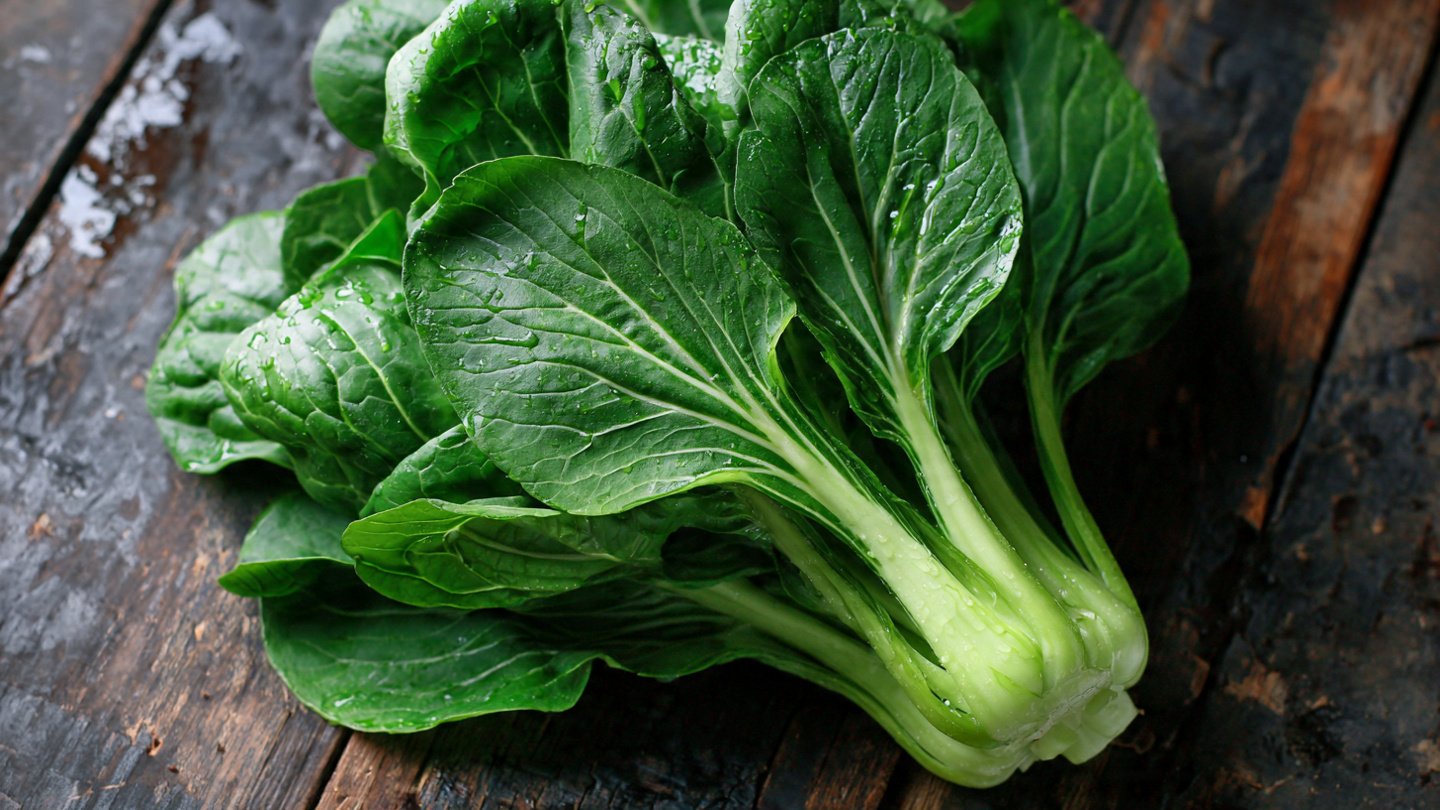
Tatsoi is a lesser-known leafy green that has been gaining popularity among gardeners and chefs alike. With its rich, slightly sweet flavor, tender leaves, and ability to form dense, “giant heads,” tatsoi is ideal for stir-fries and other Asian-inspired dishes. For home gardeners and culinary enthusiasts, understanding what makes tatsoi so well-suited for producing large, robust heads can transform both your garden harvest and your cooking.
In this guide, we’ll explore tatsoi’s unique characteristics, growing techniques, care tips, and culinary applications that make it a standout choice for giant-head greens.
What Is Tatsoi?
Tatsoi (Brassica rapa var. rosularis) is a type of Asian green, related to bok choy and other brassicas. It is native to East Asia and has been cultivated for centuries in China, Korea, and Japan. Tatsoi is known for:
- Dark green, spoon-shaped leaves that form a dense rosette.
- Mild, slightly nutty flavor with subtle cabbage notes.
- Rapid growth that allows multiple harvests in a single season.
- Cold tolerance, making it ideal for early spring or fall cultivation.
Unlike many leafy greens that grow as loose leaves, tatsoi naturally forms compact heads, which can be grown to impressive sizes for stir-fries and salads.
Why Tatsoi Produces Giant Heads
Several factors make tatsoi ideal for growing large, dense heads:
1. Rosette Growth Habit
Tatsoi naturally grows in a tight rosette, with leaves radiating from a central point. This growth habit allows the plant to develop a firm, nearly spherical head. Unlike loose-leaf greens, tatsoi’s structure makes it easy to harvest entire heads for stir-fries.
2. Rapid Leaf Production
Tatsoi produces leaves quickly, especially in cool weather. This rapid growth supports the development of large heads in just a few weeks. When planted in fertile, well-watered soil, tatsoi can double in size in under a month.
3. Cold Tolerance
Tatsoi thrives in cooler temperatures, which encourages head formation rather than premature bolting. Unlike some greens that become bitter or flower too quickly in early spring or fall, tatsoi maintains its tenderness and flavor, even in light frost.
4. Compact Root System
The shallow but robust root system allows tatsoi to efficiently absorb nutrients and moisture, supporting large leaf production without requiring deep soil. This makes it perfect for container gardening or raised beds.
Ideal Growing Conditions for Giant Tatsoi Heads
To achieve impressive head size, tatsoi requires proper care and optimal growing conditions:
Soil Requirements
- Well-draining, fertile soil enriched with organic matter.
- A slightly acidic to neutral pH (6.0–7.0) encourages healthy leaf growth.
- Avoid compacted or heavy clay soils, which can stunt growth.
Sunlight
- Full sun for most of the day promotes robust growth.
- In extremely hot regions, partial shade can prevent leaf scorching and support head formation.
Temperature
- Optimal growth occurs between 50–70°F (10–21°C).
- Cooler temperatures slow growth slightly but improve leaf quality and reduce bitterness.
Watering
- Consistent moisture is essential for dense, tender leaves.
- Water deeply at the base of the plant to avoid washing away soil nutrients.
- Mulch around the base helps retain soil moisture and regulate temperature.
Planting Techniques for Large Heads
Proper planting methods play a critical role in producing giant tatsoi heads:
1. Seed Spacing
- Sow seeds 6–8 inches apart to allow room for head expansion.
- Crowding reduces air circulation, increases disease risk, and limits head size.
2. Thinning
- Thin seedlings early to prevent competition.
- Remove weaker plants to allow stronger ones to form substantial heads.
3. Fertilization
- Apply a balanced fertilizer rich in nitrogen for lush leaf growth.
- Organic options such as compost or worm castings encourage sustainable growth.
- Side-dress with additional nutrients during the growing season to maintain vigor.
4. Timing
- Plant early in spring or late summer for cool-weather growth.
- Avoid planting during the hottest summer months to prevent bolting or leaf scorching.
Managing Common Challenges
Even though tatsoi is relatively hardy, certain factors can affect head formation:
- Pests – Aphids, flea beetles, and slugs can damage leaves. Use row covers or natural pest control to protect plants.
- Bolting – High temperatures or long daylight hours can trigger premature flowering. Planting during cooler months and providing partial shade can prevent this.
- Leaf Yellowing – Often due to nutrient deficiencies or inconsistent watering. Ensure balanced fertilization and regular watering.
Harvesting Giant Tatsoi Heads
Tatsoi heads can reach maturity in as little as 40–50 days, depending on conditions. Tips for harvesting:
- Harvest when heads are firm but tender. Large heads can be sliced directly into stir-fries or shredded for salads.
- Cut at the base rather than pulling up the plant to encourage regrowth from the central rosette.
- Successive planting allows multiple harvests throughout the season.
Harvesting at the right time ensures maximum flavor, texture, and visual appeal.
Culinary Uses of Tatsoi
Tatsoi’s mild flavor and tender texture make it perfect for a variety of dishes:
- Stir-fries – Add chopped or whole leaves toward the end of cooking for vibrant color and flavor.
- Soups – Its tender leaves wilt beautifully in broths without losing nutrients.
- Salads – Young, small leaves provide a mild, fresh addition to raw dishes.
- Sauteed greens – Lightly sautéed tatsoi retains crunch and enhances any dish with its subtle cabbage-like flavor.
Because tatsoi forms giant heads, it provides generous servings for cooking, making it a convenient choice for family meals or batch cooking.
Tips for Maximizing Head Size and Flavor
- Regular Watering – Prevents stress and encourages rapid, dense leaf production.
- Cool Growing Conditions – Avoid heat stress to maintain tenderness and prevent bitterness.
- Consistent Feeding – Balanced nutrients keep leaves lush and dense.
- Protect from Pests – Healthy plants form larger, unblemished heads.
- Avoid Overcrowding – Adequate spacing is critical for giant head formation.
By combining these practices, gardeners can enjoy large, flavorful tatsoi heads season after season.
Final Thoughts
Tatsoi is a versatile, nutritious, and visually impressive leafy green, ideal for gardeners who want to grow giant heads for stir-fries and other culinary creations. Its rosette growth habit, rapid leaf production, cold tolerance, and compact root system make it uniquely suited to producing dense, tender heads.
By providing the right conditions, spacing, water, and nutrients, you can maximize tatsoi’s potential and enjoy abundant harvests for delicious, healthy meals. Whether you’re a home gardener or a culinary enthusiast, tatsoi’s giant heads are sure to become a favorite addition to your garden and your kitchen.