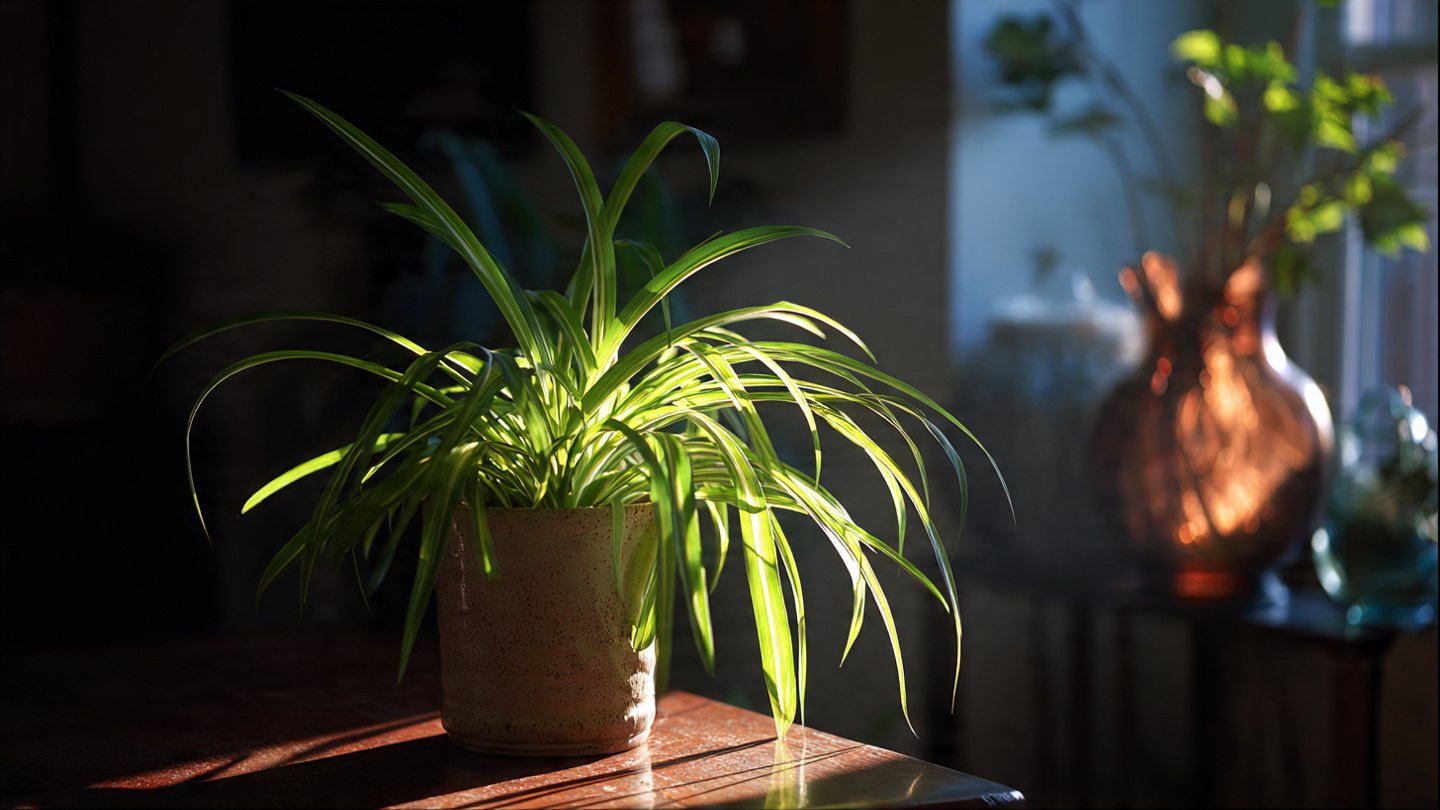
Spider plants (Chlorophytum comosum) are among the most popular houseplants in homes and offices worldwide. Their graceful, arching leaves, ability to produce “babies,” and ease of care make them a favorite for both beginners and experienced plant enthusiasts. However, even hardy plants like spider plants have specific needs to grow well—and one of the most critical is the quality and type of light they receive.
Indirect light is often described as ideal for spider plants, but why exactly does it matter? Understanding the relationship between light and plant health can help you grow a thriving, vibrant spider plant that produces healthy foliage, abundant offsets, and strong roots.
Understanding Spider Plant Light Requirements
Spider plants are native to subtropical regions, where they naturally grow under the canopy of taller plants. This environment provides bright, filtered sunlight rather than direct exposure. In their natural habitat, they benefit from diffused light that energizes their growth without causing stress or damage.
Direct sunlight can be harsh for spider plants. Strong, unfiltered light can scorch their leaves, causing brown tips or fading of their characteristic green and white variegation. Conversely, too little light slows growth, leading to pale, weak foliage and fewer plantlets.
Indirect light offers the perfect balance: it delivers sufficient energy for photosynthesis while protecting the plant from the intensity of direct rays.
The Role of Light in Photosynthesis
Photosynthesis is the process by which plants convert light energy into chemical energy, producing the sugars and nutrients needed for growth. The amount and quality of light directly impact how efficiently a plant performs photosynthesis.
Spider plants thrive in bright, indirect light because it allows their leaves to absorb energy evenly. Filtered light prevents overexposure while still stimulating chlorophyll production, which keeps leaves lush, vibrant, and strong. Adequate indirect light also encourages root development, which is essential for overall plant health and the production of healthy “spiderettes” or baby plants.
Signs Your Spider Plant Needs More Light
Even hardy spider plants can suffer when light conditions are not optimal. Recognizing the signs of insufficient or excessive light is key to maintaining a healthy plant:
- Too little light: Leaves become pale or yellow, growth slows, and new shoots may fail to develop. The plant may become leggy, stretching toward light sources.
- Too much direct light: Leaves develop brown or scorched tips, and the plant may appear bleached or faded. Severe exposure can cause permanent leaf damage.
Providing the right indirect light helps prevent these issues, ensuring that your spider plant maintains its natural vibrancy and vitality.
How to Provide Ideal Indirect Light
Achieving the right lighting conditions involves more than placing your plant by a window. Here are practical ways to provide indirect light for spider plants:
- Bright, filtered windows: Place your spider plant near a window that receives plenty of sunlight but is filtered by sheer curtains or blinds. East-facing windows are excellent because they provide gentle morning sun without intense afternoon rays.
- Room positioning: Spider plants can thrive a few feet away from sunny windows, where light is bright but indirect. Rotating the plant occasionally ensures all leaves receive equal light.
- Artificial lighting: If natural light is limited, fluorescent or LED grow lights can supplement bright indirect light. Position lights a few feet above the plant to mimic filtered sunlight.
- Avoid direct exposure: Be cautious with south- or west-facing windows, as direct sunlight can burn leaves. Using sheer curtains or moving the plant slightly back from the window helps protect it.
By managing light exposure carefully, you can create an environment where your spider plant thrives year-round.
Benefits of Indirect Light for Leaf and Root Health
Indirect light has multiple benefits for spider plants beyond aesthetics:
- Healthy foliage: Proper light maintains the plant’s vibrant green and white stripes, prevents leaf scorch, and encourages full, dense growth.
- Strong roots: Sufficient light promotes root expansion, ensuring your plant can absorb water and nutrients efficiently. Healthy roots are essential for producing baby plants.
- Reduced stress: Indirect light minimizes environmental stress, reducing the risk of leaf tip browning, yellowing, and disease susceptibility.
- Flower and baby production: Spider plants grown in optimal light are more likely to produce small white flowers, which eventually develop into offsets.
Overall, indirect light supports both the beauty and reproductive success of the plant.
Additional Tips for Thriving Spider Plants
While light is critical, other care practices enhance the benefits of indirect sunlight:
- Watering: Keep soil consistently moist but not waterlogged. Indirect light reduces evaporation, allowing for steadier watering schedules.
- Temperature: Spider plants thrive in temperatures between 65–75°F (18–24°C). Avoid placing them near drafts or heating vents, which can stress leaves.
- Humidity: Moderate indoor humidity supports vibrant foliage. Indirect light combined with occasional misting can prevent leaf tip browning.
- Fertilization: Feed your plant with a balanced, water-soluble fertilizer every 4–6 weeks during the growing season to encourage strong growth.
When combined with proper light, these care steps ensure a thriving, resilient spider plant.
Common Mistakes to Avoid
Even experienced gardeners can misjudge the lighting needs of spider plants. Avoid these common mistakes:
- Placing in low-light corners: Insufficient light slows growth and reduces baby plant production.
- Exposing to harsh midday sun: Direct afternoon sunlight can scorch leaves quickly.
- Neglecting rotation: Failing to rotate the plant may cause uneven growth or leaning toward the light.
By understanding and avoiding these pitfalls, you can maximize the health and beauty of your spider plant.
Conclusion
Indirect light is essential for spider plants because it provides the energy needed for growth without exposing the plant to harmful sunburn or stress. This type of lighting supports vibrant leaves, strong roots, baby production, and overall plant resilience.
Placing your spider plant in bright, filtered light ensures it thrives while reducing common problems such as leaf tip browning or leggy growth. Combined with proper watering, temperature, humidity, and fertilization, indirect light allows your spider plant to reach its full potential, turning it into a stunning and functional addition to your home or office.
Ultimately, understanding the importance of indirect light is key to keeping your spider plant healthy, thriving, and full of life—a perfect example of how thoughtful care leads to long-term success for even the hardiest houseplants.