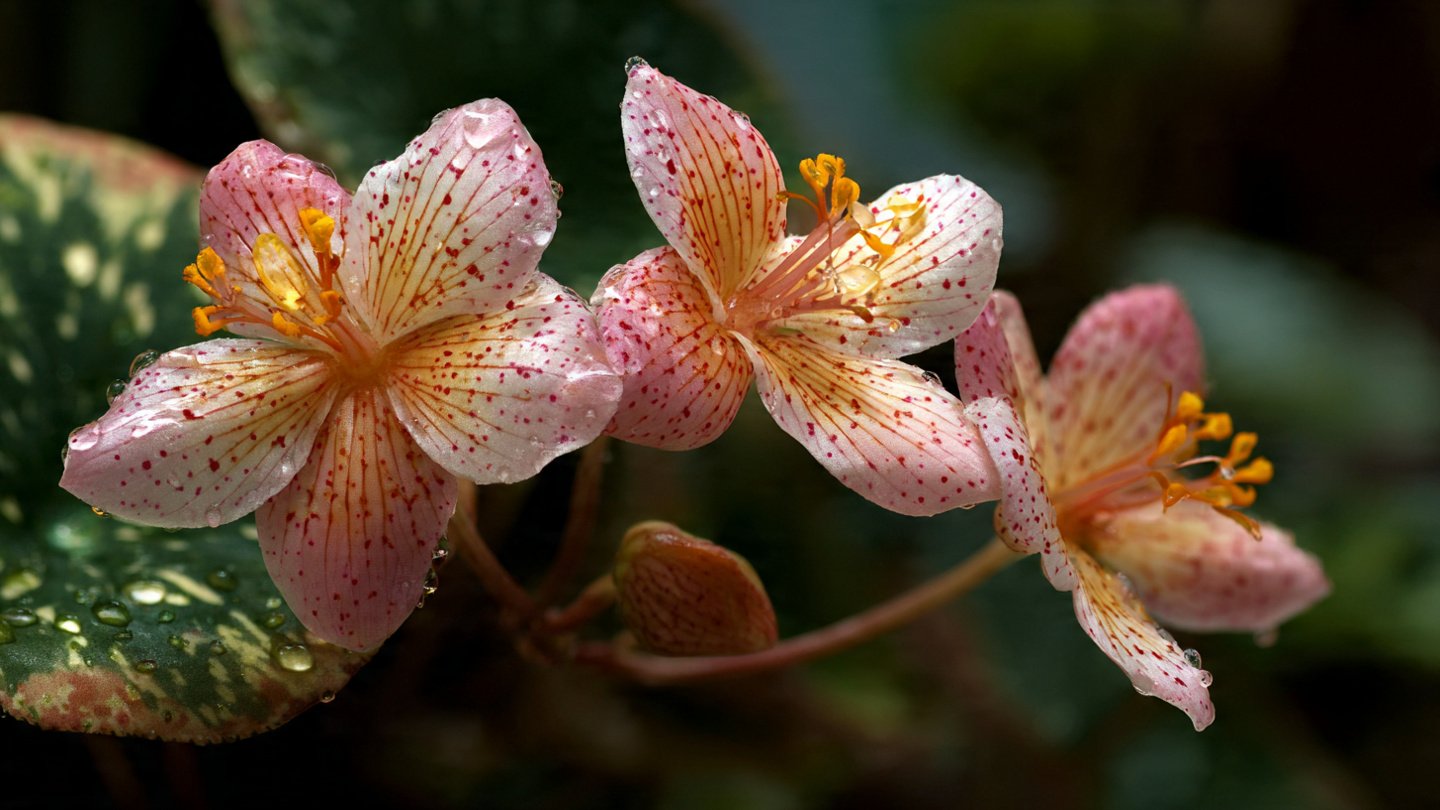
Flowers with spotted and speckled leaves are a striking addition to any garden or indoor collection. Their unique patterns—ranging from delicate freckles to bold splashes of color—add texture, visual interest, and personality to your plant display. Popular examples include Polka Dot Plants (Hypoestes phyllostachya), Caladiums, and certain varieties of Begonia. While these plants are prized for their ornamental foliage, their distinctive patterns also come with specific care requirements. Understanding what makes these plants thrive ensures that their vibrant spots and speckles remain vivid and healthy year-round.
This guide explores the conditions, care techniques, and environmental factors that contribute to the success of flowers with spotted and speckled leaves, helping gardeners cultivate a thriving, eye-catching collection.
Understanding the Appeal of Spotted and Speckled Foliage
Spotted and speckled leaves provide a visual contrast to traditional green foliage, making them popular in both indoor and outdoor settings. Their unique coloring is not just decorative—it can indicate specific adaptations and requirements:
- Light Sensitivity – Many speckled plants evolved in filtered light environments, such as under tree canopies, making them more sensitive to direct sunlight.
- Moisture Needs – These plants often prefer consistently moist soil without being waterlogged, reflecting their tropical or subtropical origins.
- Temperature Tolerance – They thrive in stable, moderate temperatures, often struggling with extreme heat or cold.
By understanding the natural conditions of these plants, gardeners can replicate environments that promote vibrant leaf patterns and healthy growth.
Ideal Lighting for Speckled Leaf Flowers
Lighting plays a crucial role in maintaining the beauty of speckled foliage:
- Bright, Indirect Light
- Most spotted-leaf plants thrive in bright, indirect light. Direct sunlight can scorch delicate leaves, causing fading or brown patches, while too little light may reduce the intensity of their speckles.
- Filtered Sunlight
- For outdoor planting, position plants under trees or in areas that receive dappled sunlight. This mimics their natural habitat and preserves the vibrancy of the leaf patterns.
- Indoor Placement
- Indoors, place plants near east- or north-facing windows, or use sheer curtains to filter light. Grow lights can supplement natural light, especially in low-light environments, ensuring consistent growth and color retention.
Proper lighting ensures that spots and speckles remain prominent and that leaves do not lose their distinctive patterns.
Soil and Drainage Requirements
Healthy foliage begins at the roots. Flowers with spotted and speckled leaves often require:
- Well-Draining Soil – Use a light, airy potting mix to prevent waterlogging, which can lead to root rot and dull leaf patterns.
- Nutrient-Rich Medium – Incorporate compost or organic matter to provide essential nutrients for vibrant leaf coloration.
- Slightly Acidic to Neutral pH – Most speckled-leaf plants prefer soil pH between 6.0 and 7.0, promoting optimal nutrient absorption.
Good drainage is particularly important for indoor planters. Avoid planting directly in dense garden soil unless amended with sand, perlite, or bark to improve aeration.
Watering Techniques for Thriving Speckled Foliage
Watering is one of the most critical factors in maintaining speckled leaves:
- Consistent Moisture
- Keep the soil consistently moist but not soggy. Allow the top layer of soil to dry slightly between waterings. Overwatering can lead to root rot and dulling of leaf patterns.
- Avoid Leaf Wetting
- Water at the base of the plant rather than from above. Wet leaves, especially those with delicate pigments, are more susceptible to fungal infections and discoloration.
- Humidity Levels
- Many spotted-leaf flowers thrive in higher humidity. Indoor growers can increase humidity with pebble trays, room humidifiers, or grouping plants together to create a microenvironment.
Proper watering ensures that foliage remains lush, colorful, and free from stress-induced spotting irregularities.
Temperature and Environmental Considerations
Temperature stability is crucial for speckled-leaf flowers:
- Moderate Temperatures – Most thrive in temperatures between 65°F and 80°F (18°C–27°C). Extreme heat can cause leaf burn, while cold drafts may damage delicate foliage.
- Avoid Rapid Fluctuations – Sudden temperature changes can lead to leaf drop or fading speckles. Maintain stable conditions for optimal growth.
- Indoor Placement – Keep plants away from air conditioners, heaters, and drafty windows to reduce stress and preserve leaf integrity.
Creating a stable environment helps the plants maintain vibrant colors and prevents stress-related deterioration.
Fertilization for Speckled Leaf Development
Nutrient management is essential for maintaining the brightness and health of patterned foliage:
- Balanced Fertilizers
- Use a balanced, water-soluble fertilizer (e.g., 10-10-10 or 20-20-20) during the growing season to encourage healthy growth and rich colors.
- Moderation is Key
- Excessive nitrogen promotes lush green leaves but can wash out speckles, while too little nutrition can stunt growth. Follow recommended dilution rates for potted plants.
- Slow-Release Fertilizers
- For outdoor gardens, slow-release fertilizers provide steady nutrition without risking leaf scorch or pattern fading.
Proper fertilization ensures leaves maintain their unique spotted and speckled appearance while promoting overall plant health.
Pruning and Maintenance
Maintaining shape and removing damaged leaves improves the overall appearance and encourages new growth:
- Trim Faded or Damaged Leaves – Removing brown or yellowing leaves prevents the spread of disease and keeps the plant visually appealing.
- Pinching Tips – For bushier growth, pinch back stems on young plants. This encourages multiple branches and a fuller display of patterned foliage.
- Inspect for Pests – Spotted leaves can attract pests like aphids or spider mites. Regular inspection and prompt treatment prevent damage that could dull leaf patterns.
Routine maintenance keeps plants healthy and maximizes the visual impact of their unique foliage.
Common Varieties of Spotted and Speckled Leaf Flowers
Gardeners often choose from several popular plants known for their patterned leaves:
- Polka Dot Plant (Hypoestes phyllostachya) – Famous for pink, white, or red speckles on green leaves, perfect for indoor containers.
- Caladium – Large, heart-shaped leaves with striking speckled patterns in shades of red, pink, white, and green.
- Begonia Rex – Bold, colorful leaves with metallic sheen and intricate spotting, ideal for indoor gardens.
- Coleus – Known for vivid color variations and unique speckled patterns, thriving in containers or shaded garden beds.
These varieties offer a range of colors, textures, and patterns to suit different aesthetic preferences.
Environmental Benefits and Aesthetic Impact
Beyond their visual appeal, spotted and speckled leaf flowers offer additional benefits:
- Improved Air Quality – Like many indoor plants, they can help filter pollutants and improve indoor air.
- Mood Enhancement – Vibrant foliage has been shown to boost mood and create a sense of calm.
- Garden Diversity – Adding patterned leaves increases visual diversity, attracting pollinators and enhancing overall ecosystem health in outdoor gardens.
These benefits make them valuable not just as decorative plants but also as contributors to environmental wellness and community beauty.
Conclusion
Flowers with spotted and speckled leaves are more than decorative plants—they are living works of art that require careful attention to light, water, soil, and environmental conditions. Thriving patterned foliage depends on well-draining soil, balanced nutrition, consistent moisture, stable temperatures, and routine maintenance.
By understanding their unique needs and providing optimal care, gardeners can ensure that the spots and speckles remain vibrant and healthy, creating an eye-catching display that adds charm and personality to any space. With proper attention, these plants not only survive—they flourish, providing visual delight and environmental benefits throughout the year.