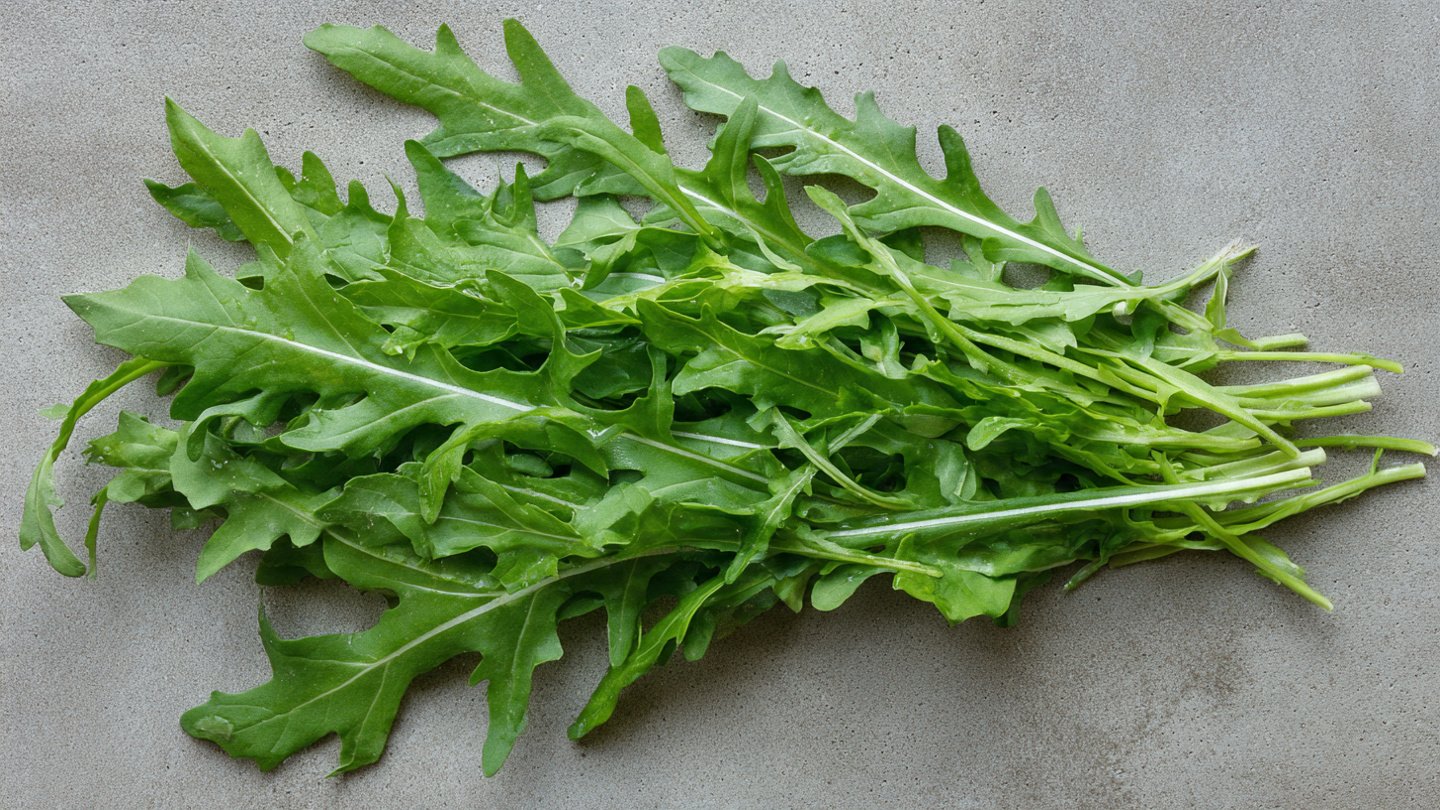
Arugula, also known as rocket or roquette, has become a favorite in kitchens and gardens worldwide. Its peppery, slightly nutty flavor makes it a versatile addition to salads, sandwiches, pesto, and even cooked dishes. But what makes arugula thrive and produce those vibrant, flavorful clusters that gardeners and chefs love? Understanding the plant’s growing habits, soil preferences, and care requirements is key to cultivating arugula that is both abundant and delicious.
This guide delves into the science, techniques, and tips for growing arugula successfully while maximizing its signature peppery taste.
Why Arugula Is a Gardener’s Favorite
Arugula offers several benefits that make it an ideal crop for home gardens:
- Fast-growing: Arugula matures in as little as 3–5 weeks, providing a quick harvest.
- Nutrient-rich: Packed with vitamins A, C, and K, calcium, iron, and antioxidants.
- Low maintenance: Thrives in containers, raised beds, or garden plots with minimal fuss.
- Flavorful: Its distinct peppery taste enhances culinary dishes.
- Versatile harvest: Leaves can be harvested as baby greens or allowed to mature for full-sized leaves.
These qualities make arugula both rewarding and practical for gardeners of all levels.
Choosing the Right Variety
Arugula comes in several varieties, each with unique characteristics:
- Wild Arugula (Diplotaxis tenuifolia): Spicy, deep green leaves and slower to bolt.
- Garden Arugula (Eruca sativa): Mild flavor, tender leaves, fast-growing and ideal for succession planting.
- Rocket varieties: Often cultivated for compact, uniform growth and ornamental clusters of leaves.
Selecting the right variety based on your climate, taste preference, and harvest timing can enhance flavor and yield.
Soil and Site Preparation
Arugula grows best in soil that supports both root health and nutrient uptake:
- Soil type: Well-draining, loamy soil with high organic content is ideal.
- pH level: Slightly acidic to neutral soil (pH 6.0–7.0) promotes nutrient absorption.
- Fertility: Enrich the soil with compost or well-rotted manure before planting.
- Site selection: Choose a sunny to partially shaded location; arugula thrives with at least 4–6 hours of sunlight per day.
Preparing the soil properly ensures strong, healthy plants and flavorful leaves.
Sowing Seeds and Planting Techniques
Arugula can be grown from seeds or transplants:
- Direct sowing: Scatter seeds thinly in rows or broadcast in garden beds, then cover lightly with soil.
- Spacing: Space seeds 1–2 inches apart, with rows 12–18 inches apart for optimal growth.
- Succession planting: Sow seeds every 2–3 weeks to maintain a continuous harvest throughout the growing season.
- Germination: Seeds typically germinate in 5–10 days when soil is kept consistently moist.
Direct sowing ensures natural growth clusters, while container planting allows better control over soil and watering.
Watering and Moisture Management
Consistent moisture is crucial for arugula’s growth and flavor:
- Watering frequency: Keep soil evenly moist, especially during germination and leaf development.
- Avoid overwatering: Waterlogged soil can cause root rot and reduce leaf quality.
- Mulching: Apply organic mulch to retain moisture, reduce weeds, and stabilize soil temperature.
Proper watering ensures tender leaves and prevents bitterness caused by stress or drought.
Fertilization for Flavorful Clusters
Arugula thrives when supplied with nutrients that promote leafy growth:
- Nitrogen: Encourages lush, green leaves. Use moderate amounts to avoid excessive leafy growth at the expense of flavor.
- Balanced fertilizers: Incorporate phosphorus and potassium for root development and overall plant health.
- Organic feeding: Compost tea, fish emulsion, or liquid seaweed extracts enhance growth while maintaining natural flavor.
Nutrient management not only boosts yield but also intensifies the characteristic peppery taste of arugula leaves.
Temperature and Climate Considerations
Arugula prefers cool weather and can bolt (flower and go to seed) quickly in hot conditions:
- Optimal temperature: 45–65°F (7–18°C) encourages steady growth and prevents bitterness.
- Summer care: Provide partial shade during peak heat or grow in containers that can be relocated.
- Cold tolerance: Arugula can withstand light frost, which can even enhance flavor in some varieties.
Maintaining ideal temperatures ensures leaves remain tender and flavorful.
Pruning and Harvesting Techniques
How you harvest arugula affects both flavor and productivity:
- Baby leaves: Harvest when leaves are 2–3 inches long for mild, tender clusters.
- Mature leaves: Allow full growth (4–6 inches) for robust flavor in salads and cooking.
- Cut-and-come-again: Snip outer leaves while leaving inner leaves intact, encouraging continuous growth and multiple harvests.
- Flowering: Remove flower buds to prolong leaf production and maintain a peppery taste.
Proper harvesting techniques maximize yield and ensure your garden produces flavorful leaves throughout the season.
Managing Pests and Diseases
Arugula is relatively hardy, but some pests and diseases may appear:
- Aphids and flea beetles: Use insecticidal soap or neem oil, or encourage natural predators like ladybugs.
- Downy mildew and leaf spot: Ensure adequate spacing for airflow and avoid overhead watering.
- Slugs and snails: Handpick or use natural deterrents to protect leaves.
Regular monitoring and early intervention prevent pest damage while maintaining the quality and flavor of your arugula clusters.
Enhancing Flavor Naturally
The intensity of arugula’s peppery taste can be influenced by growing conditions:
- Sunlight exposure: More sunlight generally enhances flavor and leaf texture.
- Water stress: Moderate water stress can intensify the peppery bite, but avoid prolonged drought.
- Soil fertility: Balanced organic fertilization produces healthy, flavorful leaves without bitterness.
- Harvest timing: Morning harvests preserve freshness and flavor, as leaves are crisp and hydrated.
By fine-tuning care and environmental conditions, gardeners can cultivate arugula with rich, robust flavor.
Companion Planting for Thriving Growth
Companion planting boosts growth, deters pests, and improves soil health:
- Herbs: Basil, dill, and cilantro help repel aphids and attract pollinators.
- Vegetables: Beets, carrots, and radishes grow well alongside arugula without competing for nutrients.
- Flowers: Nasturtiums and marigolds deter pests and add biodiversity to the garden.
Strategic planting supports healthy clusters of arugula and a more resilient garden ecosystem.
Common Mistakes to Avoid
- Planting in full summer heat without shade, leading to bitterness and early bolting
- Overcrowding, which reduces airflow and encourages fungal disease
- Neglecting succession planting, causing gaps in harvest
- Over-fertilizing with nitrogen, which can compromise flavor
- Ignoring pest management, which can destroy tender leaves
Avoiding these mistakes ensures consistent, flavorful growth throughout the season.
Final Thoughts
Arugula’s peppery, flavorful clusters are the result of careful attention to growing conditions, soil fertility, watering, and harvest techniques. By selecting the right varieties, providing consistent care, and managing environmental factors, gardeners can cultivate arugula that thrives with abundant, aromatic, and delicious leaves.
Whether grown in containers on a balcony or in garden beds, arugula rewards patience, attention, and thoughtful planting with some of the most vibrant, versatile greens available. By following these strategies, your arugula garden can become a source of continuous harvest, delighting your taste buds and elevating your culinary creations with every peppery bite.