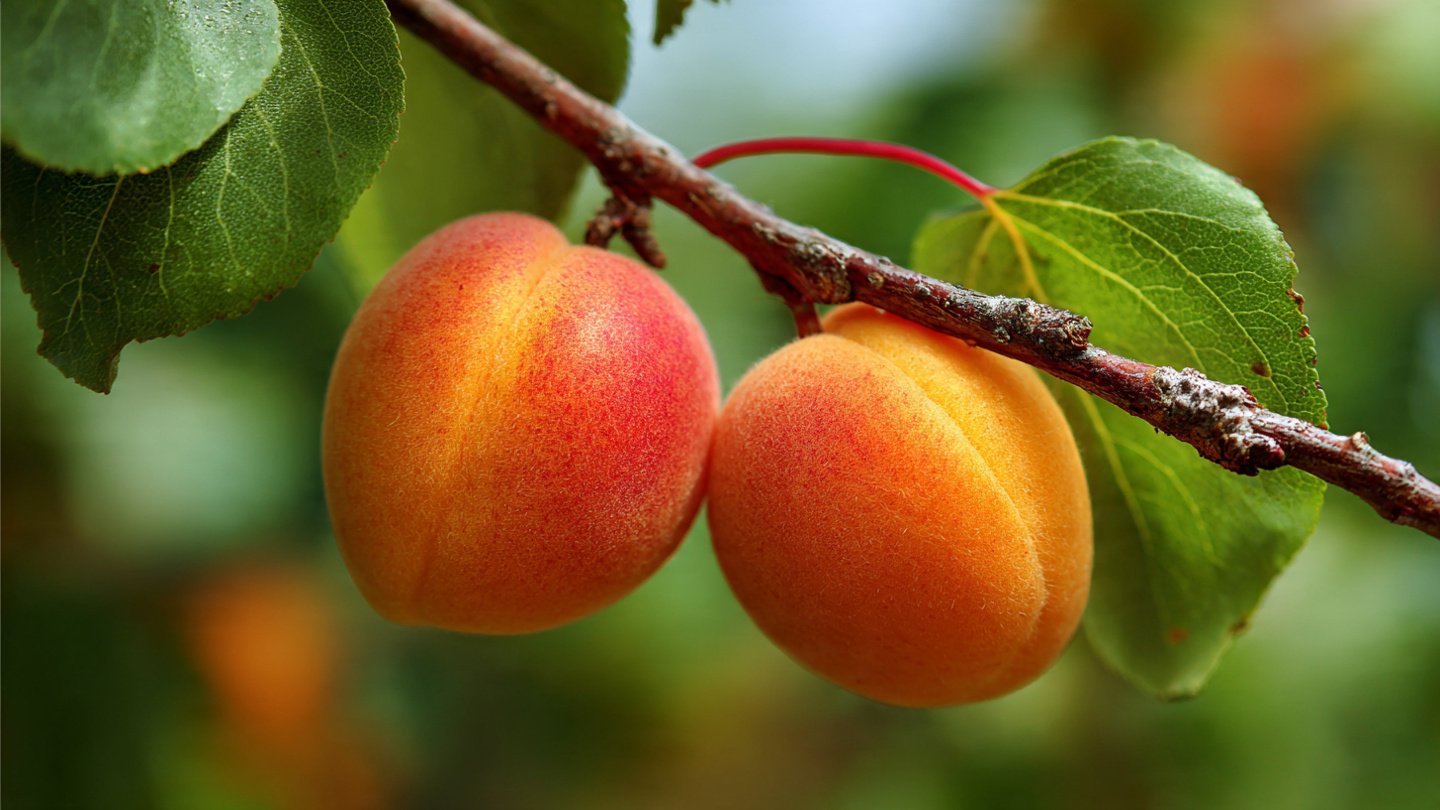
Apricots are a delicious and nutrient-packed fruit that can add beauty and bounty to any garden. Their sweet, juicy flavor makes them a favorite for fresh eating, jams, and desserts. While growing apricots may seem challenging, especially for beginners, using natural methods can ensure healthy trees and abundant, large fruits without relying on chemical fertilizers or pesticides. In this article, we’ll guide you step by step on how to grow big, juicy apricots naturally, from selecting the right variety to proper care and harvesting techniques.
Choosing the Right Apricot Variety
The first step in growing big, juicy apricots is selecting a variety suited to your climate and soil. Apricot trees thrive in areas with cold winters and warm, dry summers. Cold winters help the trees break dormancy and set flower buds for a productive season, while warm summers promote fruit ripening. Popular apricot varieties for home gardens include:
- Moorpark – Known for large, flavorful fruits.
- Blenheim – Sweet and juicy, ideal for fresh eating.
- Tilton – Tolerates warmer climates and produces consistently.
Consider disease resistance, chill-hour requirements, and local climate conditions before choosing a variety. Local nurseries or extension offices can provide advice on varieties that perform well in your area.
Preparing the Soil Naturally
Healthy apricots start with nutrient-rich, well-draining soil. Apricot trees prefer slightly sandy loam with a pH between 6.0 and 7.5. Avoid heavy clay or waterlogged soils, which can lead to root rot. Here’s how to prepare soil naturally:
- Compost Enrichment – Mix 2-3 inches of mature compost into the planting area. Compost improves soil structure, adds essential nutrients, and encourages beneficial microorganisms.
- Mulching – Apply a 3-4 inch layer of organic mulch such as straw, bark chips, or shredded leaves around the base of the tree. Mulch retains moisture, regulates soil temperature, and suppresses weeds.
- Natural Amendments – Use rock phosphate or bone meal for phosphorus and greensand for potassium, which support root development and fruit growth.
Planting Your Apricot Tree
Plant apricot trees in a sunny location with at least 6-8 hours of direct sunlight daily. Sunlight is essential for sugar production, which leads to juicy, flavorful fruits. Planting steps:
- Dig a hole twice the width and depth of the tree’s root ball.
- Place the tree in the hole, spreading the roots gently.
- Backfill with native soil mixed with compost.
- Water thoroughly to settle the soil and eliminate air pockets.
If planting multiple trees, ensure spacing of 15-20 feet apart to allow for adequate airflow and sunlight.
Watering Naturally for Optimal Fruit Size
Consistent watering is crucial for developing large, juicy apricots. However, overwatering can harm the tree. Follow these natural watering practices:
- Deep Watering – Water deeply once a week rather than shallow, frequent watering. This encourages roots to grow deeper and access nutrients.
- Rainwater Harvesting – Collect and use rainwater whenever possible. Rainwater is free from chemicals and softer than tap water, which benefits tree health.
- Mulch Retention – Maintain mulch around the base to reduce evaporation and maintain steady soil moisture.
Fertilizing the Tree Naturally
Avoid chemical fertilizers, which can harm soil biology and lead to weaker fruits over time. Instead, use natural fertilization methods:
- Compost Tea – Brew compost tea by soaking compost in water for 24-48 hours. Use it as a liquid fertilizer during the growing season to provide balanced nutrients.
- Organic Manures – Well-rotted cow, horse, or poultry manure provides nitrogen and other micronutrients needed for growth.
- Cover Crops – Plant nitrogen-fixing cover crops like clover or vetch around the base to enrich the soil naturally.
Pruning for Fruit Development
Pruning apricot trees is essential to ensure sunlight penetration, airflow, and strong branch development, all of which contribute to bigger fruits. Key tips:
- Winter Pruning – Remove dead or diseased wood during dormancy. This improves tree health and encourages new growth.
- Summer Pruning – Trim excessive growth and lateral shoots to direct energy toward fruit development.
- Thinning Fruits – Remove some small fruits early in the season. Fewer fruits allow the tree to concentrate nutrients on remaining fruits, making them larger and juicier.
Controlling Pests and Diseases Naturally
Apricot trees can be susceptible to pests like aphids, mites, and fungal diseases such as brown rot. Using natural methods ensures healthy trees without chemical pesticides:
- Neem Oil – A natural insecticide effective against a wide range of pests.
- Beneficial Insects – Introduce ladybugs, lacewings, and predatory mites to control pest populations.
- Baking Soda Sprays – A mixture of baking soda and water can help control fungal infections like powdery mildew.
- Cleanliness – Remove fallen fruits and prune diseased branches promptly to reduce infection sources.
Harvesting Big, Juicy Apricots
Timing is critical to harvest apricots at peak juiciness. Fruits do not continue to ripen once picked, so wait until they are fully colored and slightly soft to the touch. Early morning harvests are preferable to avoid heat stress and maintain sugar content. Handle fruits gently to prevent bruising, which can reduce their shelf life.
Additional Tips for Maximizing Fruit Size
- Sun Exposure – Ensure your tree receives adequate sunlight on all sides. Consider planting on a south-facing slope if possible.
- Wind Protection – Apricot blossoms are sensitive to wind, which can reduce fruit set. Use natural windbreaks like hedges or fences.
- Consistent Care – Regular watering, mulching, and pruning throughout the season significantly impact fruit size and quality.
Conclusion
Growing big, juicy apricots naturally requires a combination of proper variety selection, soil preparation, consistent care, and attention to detail. By embracing natural gardening practices, you not only produce delicious fruits but also maintain a healthy, chemical-free environment for your garden. From compost enrichment and organic fertilization to pruning and natural pest management, every step contributes to the growth of flavorful, nutrient-rich apricots. With patience, care, and a little knowledge, you can enjoy the satisfaction of harvesting homegrown apricots that are larger, juicier, and naturally superior to store-bought fruits.