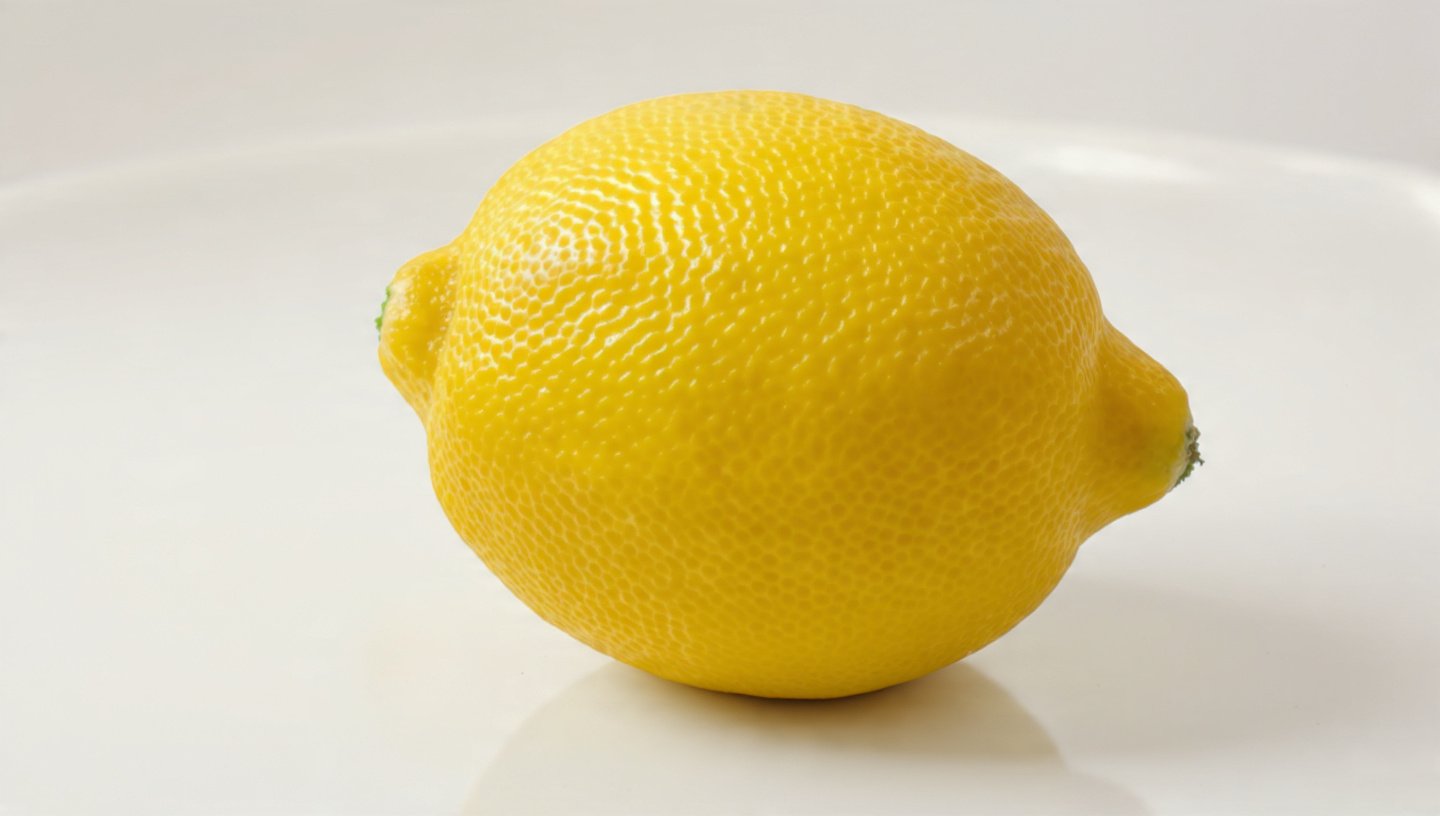
Lemons are one of the most common and beloved fruits worldwide. Known for their bright yellow color, tangy flavor, and refreshing aroma, they are used in cooking, beverages, medicinal remedies, and even skincare. But beyond their culinary and health benefits, lemons also hold a fascinating place in botany. Understanding the scientific name of lemon, its classification, and botanical characteristics provides insight into the fruit’s origins, properties, and global significance.
This article explores the scientific identity of lemons, how they are classified, and why scientific naming is important for gardeners, botanists, and plant enthusiasts alike.
🌱 What Is a Lemon?
Lemon is a citrus fruit that belongs to the genus Citrus. It is characterized by:
- Bright yellow peel and acidic pulp
- Rich content of vitamin C and antioxidants
- A unique tangy flavor widely used in beverages, desserts, and cooking
Lemons are believed to have originated in northeast India, northern Myanmar, and China, and were later cultivated in the Middle East, Mediterranean, and eventually Europe and the Americas.
Because lemons are cultivated worldwide and used in so many ways, knowing their scientific name ensures clarity and precision when studying or discussing the plant.
🔬 The Scientific Name of Lemon
The scientific name of lemon is:
Citrus limon (L.) Burm.f.
Let’s break this down:
- Genus: Citrus – This genus includes all citrus fruits, such as oranges, limes, grapefruits, and mandarins.
- Species: limon – This refers specifically to the lemon.
- Authority: (L.) Burm.f. – This notation indicates that Carl Linnaeus originally described the species, and later Nicolaas Laurens Burman formally revised its classification.
Scientific names are written in italicized Latin with the genus capitalized and the species lowercase. This universal system helps avoid confusion caused by regional or common names. For example, the word “lemon” can refer to different varieties in different countries, but Citrus limon universally identifies the plant.
🧬 Classification of Lemon
Understanding the classification of lemons provides a scientific framework for studying the plant. The taxonomy is as follows:
- Kingdom: Plantae – All plants
- Subkingdom: Tracheobionta – Vascular plants
- Division: Magnoliophyta – Flowering plants
- Class: Magnoliopsida – Dicots (plants with two seed leaves)
- Order: Sapindales – Includes many woody and fruit-bearing plants
- Family: Rutaceae – The rue or citrus family
- Genus: Citrus – All citrus fruits
- Species: limon – The lemon
This hierarchical structure is essential for botanists, horticulturists, and researchers to understand relationships between lemon and other plants.
🌍 Varieties of Lemon
The species Citrus limon encompasses multiple cultivars, each with unique characteristics:
- Eureka Lemon: Widely cultivated commercially, known for year-round fruit production and bright yellow skin.
- Lisbon Lemon: Tolerant to cooler climates, popular in Mediterranean regions.
- Meyer Lemon: A hybrid between lemon and mandarin orange, sweeter and less acidic, often used in desserts.
- Ponderosa Lemon: Large fruit with thick peel, ideal for ornamental gardening.
These varieties share the same scientific name (Citrus limon) but differ in horticultural traits, flavor, and growth habits. This illustrates how scientific naming unifies diverse cultivars under one species while allowing room for variations.
🧪 Why Scientific Names Matter
Common names like “lemon” or “citron” vary across languages and regions. For example, in India, lemons are sometimes called nimbu, while in Spain they are called limón. Scientific names provide a universal standard for:
- Research: Scientists can study the exact species without ambiguity.
- Gardening and Agriculture: Farmers and horticulturists can ensure they plant the intended species.
- Medicinal Studies: Many herbal remedies rely on precise identification to ensure safety and efficacy.
Without a standardized system, a plant’s medicinal or culinary properties might be confused with a different species, potentially causing problems in research, cultivation, or consumption.
🌿 Botanical Characteristics of Citrus limon
Understanding the scientific name also helps in identifying the plant’s characteristics:
- Leaves: Evergreen, glossy, and aromatic, with pointed tips.
- Flowers: Small, white, and fragrant, often appearing in clusters.
- Fruit: Oval, yellow, with acidic juice and seeds inside.
- Growth: Typically grows as a small to medium tree, 10–20 feet tall.
- Propagation: Grown via seeds or grafting for commercial orchards.
Botanical studies of Citrus limon focus on these traits to improve cultivation techniques, pest resistance, and fruit yield.
🌞 Cultivation and Uses
Knowing the scientific classification also informs cultivation and use:
- Soil Requirements: Well-drained, slightly acidic soil supports optimal growth.
- Sunlight: Full sun is necessary for flowering and fruit production.
- Irrigation: Moderate watering with good drainage is ideal.
- Fertilization: Regular feeding with nitrogen‑rich fertilizer encourages healthy growth.
Lemons are not just consumed as fresh fruit. They are essential in:
- Culinary dishes and beverages
- Essential oils and aromatherapy
- Skincare products
- Traditional medicine
Scientific knowledge ensures safe and effective use in these applications.
🧍 Historical and Cultural Importance
Citrus limon has cultural significance:
- Introduced to Europe around the 1st century AD, lemons were prized for their medicinal properties.
- Used in traditional remedies for scurvy due to their high vitamin C content.
- Symbolic in art and cuisine, often associated with freshness, cleanliness, and zest.
Understanding the scientific identity of lemon allows historians, botanists, and chefs alike to trace its journey across continents and uses.
🔍 Lemon in Modern Research
Modern studies on Citrus limon include:
- Phytochemistry: Analysis of flavonoids, antioxidants, and citric acid.
- Genetics: Breeding programs focus on disease resistance and fruit quality.
- Agriculture: Improved irrigation, pruning, and pest control techniques.
- Health Research: Evaluating antimicrobial, anti-inflammatory, and digestive benefits of lemon extracts.
Scientific naming ensures all research references the correct species, enabling global collaboration and accurate data sharing.
✅ Conclusion
The lemon, with its bright flavor, fragrant aroma, and versatile uses, is more than just a fruit — it’s a scientific marvel. Its scientific name, Citrus limon (L.) Burm.f., provides clarity for botanists, researchers, gardeners, and consumers worldwide. Understanding the taxonomy, varieties, and botanical traits of lemons helps in cultivation, research, and application across culinary, medicinal, and industrial contexts.
Whether you are planting a lemon tree in your backyard, conducting botanical research, or exploring its health benefits, knowing its scientific name ensures precision, consistency, and understanding. The humble lemon is not just a kitchen staple; it is a globally recognized species whose classification, biology, and properties continue to inspire curiosity and innovation.