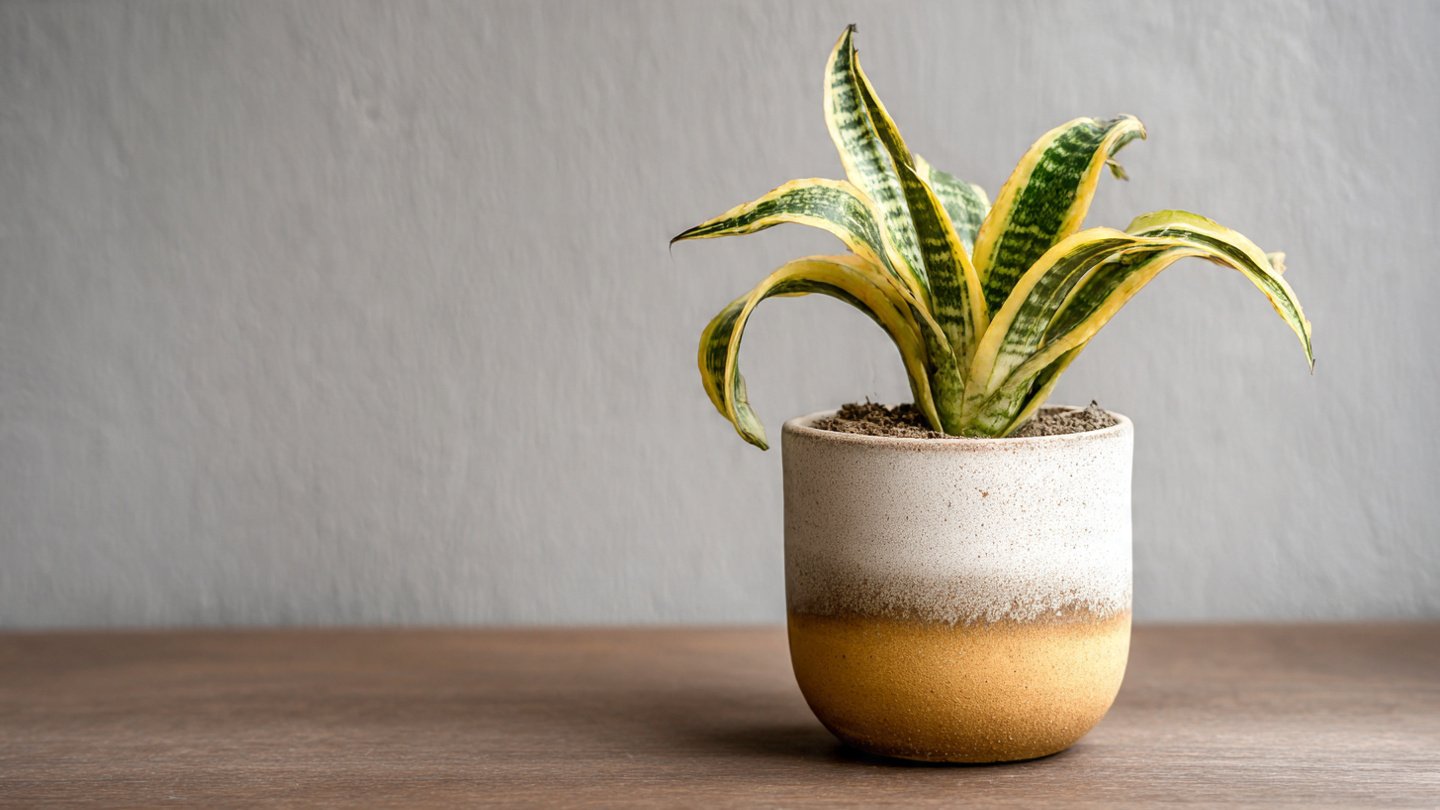
Every plant owner has experienced it: your once-vibrant greenery suddenly looks droopy, pale, or weak. Perhaps the leaves curl, stems weaken, or buds fail to bloom. It’s a distressing sight, and instinctively, we want to help immediately. But when it comes to stressed plants, there is one critical mistake you should avoid—overwatering.
Understanding Plant Stress
Plant stress can arise from various factors, including:
- Environmental Stress: Sudden changes in temperature, exposure to drafts, or relocation from one light condition to another can shock a plant.
- Water Stress: Both under-watering and overwatering can harm plants. Interestingly, overwatering is often more damaging than drought.
- Nutrient Stress: Deficiencies or imbalances in essential nutrients can stunt growth and discolor leaves.
- Pest and Disease Stress: Insects, fungi, and bacteria can weaken a plant, leaving it more susceptible to environmental changes.
When a plant is stressed, it usually exhibits signs such as wilting, yellowing leaves, slowed growth, or leaf drop. Recognizing these symptoms early can make the difference between recovery and permanent damage.
Why Overwatering is a Plant’s Worst Enemy
Although we often associate “thirst” with droopy leaves, adding more water to a stressed plant is rarely the solution. Here’s why:
- Root Rot Risk: Excess water fills air spaces in the soil, depriving roots of oxygen. This creates ideal conditions for fungal pathogens that cause root rot. Once roots begin to decay, the plant’s ability to absorb water and nutrients diminishes.
- Masking the Real Problem: Watering a stressed plant may temporarily make it appear perkier, but it doesn’t address the underlying stressor—whether it’s light, temperature, or pest-related.
- Slow Recovery: Plants under water stress or transplant shock need a period to adjust. Overwatering prolongs this adjustment and can push the plant into decline.
In short, overwatering stressed plants is like giving medicine without diagnosing the illness—it may worsen the condition rather than fix it.
How to Help a Stressed Plant Without Overwatering
There are several safe and effective ways to support a plant in distress:
- Check the Soil Moisture First: Stick your finger 1–2 inches into the soil. If it feels damp, hold off on watering. Only water when the soil is dry to the touch.
- Adjust Light and Temperature: Ensure your plant receives the right amount of light for its species. Keep tropical plants away from cold drafts, and temperate plants out of scorching direct sun.
- Repotting with Care: If roots are crowded or soil has degraded, consider repotting. However, avoid disturbing the roots excessively, as this can increase stress.
- Prune Dead or Dying Leaves: Removing damaged foliage reduces the plant’s energy expenditure and encourages new growth.
- Avoid Fertilizing Immediately: Fertilizer can burn stressed roots. Wait until the plant stabilizes before feeding.
- Increase Humidity if Needed: Some plants thrive in higher humidity. Use a tray of water near the plant or a gentle misting routine for sensitive species.
The Role of Observation and Patience
One of the most overlooked aspects of plant care is simply watching and waiting. Plants don’t respond instantly to interventions, and impatience can lead to overcompensation. By monitoring leaf color, stem strength, and soil moisture, you can make informed decisions rather than reactive ones.
Common Misconceptions About Stressed Plants
- “Wilting Always Means Thirst”: Drooping leaves can result from both too little and too much water. Checking soil moisture prevents guesswork.
- “More Fertilizer Will Boost Recovery”: Fertilizing stressed plants can shock them further. Nutrients are only effective when the plant is healthy enough to process them.
- “Move It to Full Sun for Strength”: A sudden increase in light intensity can burn leaves and worsen stress. Gradual acclimatization is key.
Understanding these misconceptions can save countless plants from unintentional harm.
Practical Example: Overwatered Peace Lily
Peace lilies (Spathiphyllum spp.) are classic examples of plants often overwatered in panic. When leaves droop, many owners immediately water them. However, drooping can also indicate waterlogged roots. Consistent overwatering leads to yellowing leaves, root rot, and sometimes plant death. Observing soil moisture and allowing the plant to dry slightly before watering can restore vitality without causing further harm.
Creating a Recovery Plan for Stressed Plants
If your plant shows signs of stress, a structured recovery plan can make a huge difference:
- Identify the Stressor: Light, water, pests, or temperature? Correcting the source is more important than treating symptoms.
- Stabilize Environment: Move the plant to optimal conditions—appropriate light, stable temperature, and balanced humidity.
- Moderate Watering: Water carefully according to the plant’s species-specific needs. Ensure pots have proper drainage.
- Minimal Intervention: Avoid fertilizer and major pruning until the plant shows signs of new growth.
- Monitor Progress: Keep a journal of watering, light changes, and observations to track recovery.
Conclusion
While it’s tempting to pour water on a stressed plant in an attempt to “rescue” it, overwatering is the one action that almost always worsens the problem. Understanding the plant’s needs, patiently observing its condition, and providing a supportive environment are far more effective strategies.
By resisting the urge to overwater, you allow the plant to naturally recover, keeping roots healthy and growth steady. Remember, plants may not recover overnight, but with careful attention and minimal interference, they often bounce back stronger than ever.
Caring for plants isn’t just about action—it’s about knowing when not to act. And in the case of stressed plants, holding back the watering can be the most crucial step toward their revival.