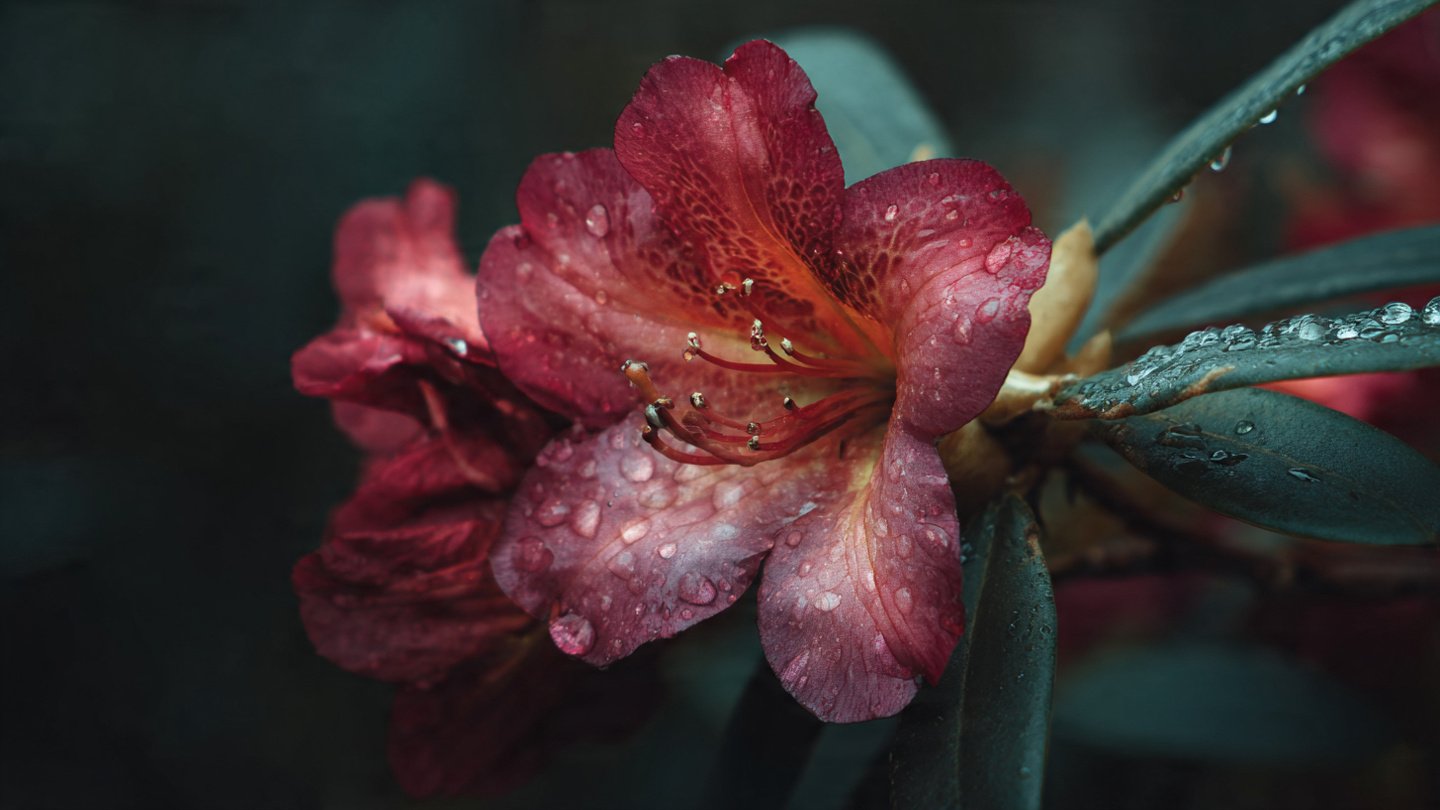
Have you ever noticed a flower that smells sweet in the morning, faint by afternoon, and completely different by evening? This intriguing behavior isn’t your imagination. Many flowers truly do change their scent throughout the day, and this daily transformation is a brilliant example of nature’s precision and intelligence. Far from being random, shifting floral fragrances are driven by biology, chemistry, and survival strategy.
Understanding why flowers alter their scent daily opens a window into how plants communicate with their environment, attract pollinators, and adapt to changing conditions.
The Purpose of Flower Scent
Flower fragrance isn’t just for human enjoyment—it serves a critical biological role. Scent helps flowers:
- Attract specific pollinators
- Signal readiness for pollination
- Deter unwanted insects or herbivores
- Communicate environmental stress
A flower’s scent is made up of volatile organic compounds (VOCs), which easily evaporate into the air. These compounds are carefully produced, released, and regulated depending on time, temperature, and biological needs.
Daily Rhythms and the Plant’s Internal Clock
One of the main reasons flowers change scent daily is their internal biological clock, also known as a circadian rhythm. Just like humans have sleep-wake cycles, plants follow daily patterns that influence growth, hormone production, and fragrance release.
This internal clock allows flowers to synchronize their scent with the activity patterns of their most effective pollinators. For example:
- Flowers pollinated by bees often smell strongest in the morning
- Night-blooming flowers intensify fragrance after sunset
- Flowers relying on moths release scent during twilight hours
By timing fragrance production, plants maximize pollination success while conserving energy.
Pollinator Preferences Shape Scent Changes
Different pollinators are attracted to different scents. Bees prefer sweet, floral aromas. Beetles often respond to spicy or musky smells. Moths are drawn to strong, lingering fragrances at night.
Some flowers alter their scent profile throughout the day to appeal to multiple pollinators or to avoid competition. A single flower may emit:
- Light, sweet notes in the morning
- Stronger, more complex aromas by evening
- Reduced scent once pollination is complete
This strategic scent modulation ensures efficient pollination while minimizing wasted effort.
Temperature and Sunlight Influence Fragrance
Environmental conditions play a major role in daily scent changes. Heat and sunlight affect both the production and evaporation of fragrance compounds.
- Warmer temperatures increase evaporation, making scents stronger
- Cooler temperatures slow scent release
- Direct sunlight can alter chemical composition
This is why flowers often smell stronger on warm mornings or mild evenings. In extreme heat, some flowers reduce scent production to prevent dehydration or chemical breakdown.
Chemical Changes Within the Flower
The scent of a flower isn’t a single smell—it’s a blend of dozens or even hundreds of chemical compounds. Throughout the day, the plant may adjust:
- Which compounds are produced
- The ratio of those compounds
- The speed at which they are released
These changes can subtly or dramatically alter how the flower smells. To human noses, this might seem like a completely new fragrance, even though it’s just a shift in chemical balance.
Pollination Status Matters
Once a flower has been successfully pollinated, its job is essentially done. At this stage, many flowers reduce or change their scent to avoid attracting additional pollinators.
This serves two purposes:
- Conserves energy
- Signals pollinators to visit other flowers
Some flowers even switch from attractive scents to neutral or slightly unpleasant ones after pollination, acting as a clear biological message.
Defense Against Pests and Herbivores
Daily scent changes can also help protect flowers from harm. Certain scent compounds repel insects that might damage petals or steal nectar without pollinating.
A flower may smell inviting during peak pollination hours and less appealing later in the day when harmful insects are more active. This balancing act allows the plant to welcome helpful visitors while discouraging threats.
Stress and Environmental Response
Changes in scent can also be triggered by stress factors such as:
- Drought
- Sudden temperature shifts
- Physical damage
- Nutrient deficiencies
Under stress, flowers may alter scent production as a survival response. These changes can warn pollinators, attract beneficial insects, or reduce unnecessary energy expenditure.
Why Humans Notice These Changes
Humans are particularly sensitive to floral scents, and our perception can vary based on humidity, temperature, and even time of day. A flower that smells different each day may be responding to subtle environmental changes that we experience unconsciously.
Morning air tends to be cooler and denser, holding scent molecules longer. Afternoon heat disperses fragrance quickly. Evening calm allows aromas to linger, making scent changes more noticeable.
What This Means for Gardeners
For gardeners, understanding daily scent changes can enhance planting and garden design. You may notice that:
- Fragrant flowers smell best at specific times
- Evening gardens can be more aromatic
- Plant placement affects scent experience
If fragrance is important to you, observe when a flower smells strongest and position it near walkways, windows, or seating areas accordingly.
A Living Conversation with Nature
Flowers that change their scent daily are participating in a constant conversation with the world around them. Through fragrance, they speak to insects, respond to sunlight, adapt to stress, and conserve energy—all without moving an inch.
What may seem like a simple shift in aroma is actually a highly evolved survival strategy refined over millions of years.
Final Thoughts
The daily change in a flower’s scent is a remarkable blend of chemistry, biology, and environmental awareness. By adjusting fragrance throughout the day, flowers increase their chances of successful pollination, protect themselves from harm, and adapt to changing conditions.
Next time you pause to smell a flower, try returning at a different time of day. You may discover that it has an entirely new story to tell—one written not in words, but in scent.