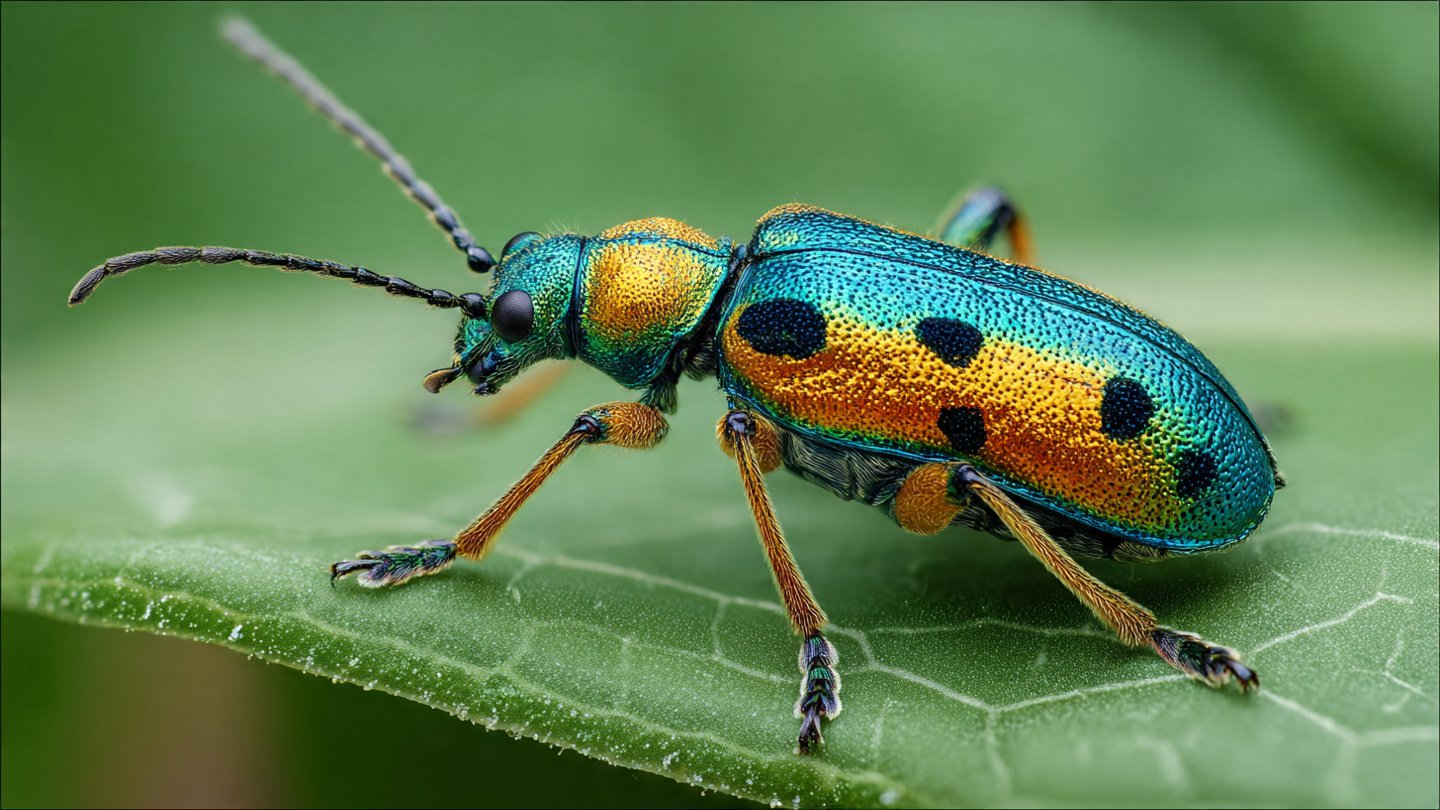
Lilies are among the most beloved garden flowers, prized for their vibrant blooms, striking colors, and elegant shapes. Whether it’s Asiatic, Oriental, or trumpet lilies, these plants can bring beauty to any garden. However, one common enemy threatens their health and aesthetics: the lily leaf beetle (Lilioceris lilii). These small, bright red beetles can quickly defoliate lilies, leaving gardeners frustrated and plants weakened. Protecting your lilies from leaf beetles requires understanding the pest, monitoring your plants, and applying effective prevention and control measures.
Understanding the Lily Leaf Beetle
The lily leaf beetle is a small, shiny red insect that specifically targets lilies and fritillaries. Adult beetles are approximately 6-9 mm long, while their larvae are soft-bodied, brownish-green, and often covered with a sticky secretion that resembles bird droppings. Both adults and larvae feed on lily leaves, stems, buds, and flowers.
- Adults chew holes in leaves and can lay eggs on the underside of foliage.
- Larvae are particularly destructive as they consume large amounts of leaf material and can skeletonize entire plants.
Understanding the life cycle of the beetle helps gardeners anticipate attacks and take timely action. Typically, beetles emerge in spring, lay eggs in early summer, and can complete multiple generations depending on the climate.
Inspect Your Lilies Regularly
Early detection is crucial to preventing a full-blown infestation. Regular inspection allows you to identify beetles before they cause significant damage.
- Check leaves and stems: Look for adult beetles, eggs, or larvae. Eggs are small, orange-red clusters laid on the underside of leaves.
- Look for feeding signs: Holes, notches, or skeletonized leaves are telltale signs of beetle activity.
- Inspect daily during peak season: Spring and early summer are the most critical times for monitoring.
By catching beetles early, you can reduce damage and prevent them from spreading to nearby plants.
Manual Removal Techniques
For small gardens or light infestations, manual removal can be surprisingly effective. While it requires persistence, it avoids chemical use and is safe for beneficial insects.
- Handpicking adults: Wear gloves and gently remove beetles from plants. Drop them into a container of soapy water to kill them.
- Removing eggs and larvae: Carefully scrape eggs off leaves and squash larvae. Wash your hands afterward to remove sticky secretions from larvae.
- Pruning affected leaves: Sever heavily infested leaves to prevent larvae from maturing. Dispose of them in sealed bags rather than composting to avoid spreading beetles.
Manual methods work best when combined with other control strategies, especially in smaller gardens.
Encourage Natural Predators
Certain birds and insects are natural predators of lily leaf beetles. Attracting these beneficial organisms can help control beetle populations naturally:
- Birds: Robins, blackbirds, and sparrows may feed on adult beetles. Installing bird feeders or birdhouses can encourage visits.
- Parasitic wasps: Some tiny parasitic wasps attack beetle larvae. While not widely available commercially, they can contribute to long-term population control in some regions.
Encouraging biodiversity in your garden helps create a balanced ecosystem, reducing reliance on chemical controls.
Chemical Control Options
When infestations are severe or manual removal is impractical, chemical intervention may be necessary. Always follow label instructions and local regulations when using pesticides.
- Insecticidal sprays: Products containing neem oil, spinosad, or pyrethrin can target both adults and larvae. Neem oil also has a repellent effect, reducing egg-laying.
- Systemic insecticides: Some systemic products absorbed by the plant can protect leaves from beetle feeding. These are typically used as a last resort due to environmental considerations.
- Timing: Apply insecticides when adults first appear in spring for maximum effectiveness. Repeat treatments may be necessary, especially for larvae.
Using chemicals selectively and responsibly minimizes harm to pollinators and beneficial insects.
Cultural Practices to Reduce Beetle Infestations
Cultural methods can reduce the likelihood of lily leaf beetle attacks and improve overall plant health.
- Plant spacing: Avoid overcrowding lilies to improve airflow, making it less attractive for beetles and reducing fungal problems.
- Sanitation: Remove plant debris and fallen leaves where beetles can hide during winter.
- Crop rotation: If growing lilies annually, rotate planting locations to reduce beetle buildup in the soil.
- Healthy soil: Strong, well-nourished plants are better able to withstand beetle feeding. Use organic compost and balanced fertilizers to promote vigorous growth.
Combining cultural practices with manual and chemical controls creates a comprehensive strategy against leaf beetles.
Protective Covers and Barriers
Physical barriers can also be used to protect lilies from adult beetles:
- Fine mesh or netting: Cover young plants with breathable mesh to prevent beetle access.
- Row covers: Lightweight floating row covers can protect lilies during peak beetle emergence in spring.
- Sticky traps: Red sticky traps near plants may help capture adult beetles, though they are less effective for larvae.
These methods are especially useful in early spring before beetles begin egg-laying.
Early Planting and Resistant Varieties
Timing and plant selection can also influence beetle damage:
- Early planting: Getting lilies established before beetles emerge gives plants a head start and reduces vulnerability.
- Resistant varieties: Some lily species and hybrids show less susceptibility to leaf beetles. Consult local nurseries or gardening guides to identify varieties suited to your region.
Choosing the right plant and planting time reduces the overall impact of beetles and supports long-term garden success.
Long-Term Management
Effective lily leaf beetle management requires persistence. Since beetles can overwinter in soil or plant debris, annual vigilance is necessary. Strategies for long-term protection include:
- Monitoring annually: Keep inspecting lilies in early spring to catch beetles at the first sign.
- Combining methods: Use an integrated approach—manual removal, cultural practices, natural predators, and selective chemical controls.
- Record keeping: Note when beetles appeared, which plants were affected, and which controls were effective. This helps improve management year after year.
With consistent care, your lilies can remain healthy, vibrant, and largely protected from these destructive pests.
Conclusion
Lily leaf beetles pose a significant threat to gardeners, but they are not insurmountable. By understanding the beetle’s life cycle, monitoring your plants regularly, manually removing beetles and eggs, encouraging natural predators, applying safe chemical controls, and implementing cultural practices, you can keep your lilies lush and beautiful throughout the growing season.
Protecting lilies from leaf beetles requires patience and persistence, but the rewards—healthy, vibrant blooms adorning your garden—are well worth the effort. With the right strategies, these elegant flowers can continue to delight gardeners year after year without falling victim to this persistent pest.