Okra, also known as “lady’s finger,” is a nutritious and versatile vegetable popular in many cuisines around the world. Its tender pods are rich in vitamins, minerals, and fiber, making it an excellent addition to a healthy diet. Growing okra at home is both rewarding and surprisingly simple, as long as you understand the plant’s needs. With the right strategies, you can enjoy a continuous harvest of tender, flavorful pods straight from your garden or balcony.
This comprehensive guide provides simple strategies for growing okra successfully at home, including planting tips, care instructions, pest management, and harvesting techniques.
Why Grow Okra at Home?
Growing okra at home offers several advantages:
- Freshness: Homegrown pods are more tender and flavorful than store-bought ones.
- Nutritional value: Freshly picked okra retains maximum nutrients, including vitamins A, C, and K.
- Continuous harvest: With proper care, okra plants can produce pods throughout the growing season.
- Cost savings: Growing your own vegetables reduces grocery bills.
- Sustainable gardening: Okra is easy to grow organically, minimizing chemical use.
By cultivating okra at home, you gain both culinary delight and health benefits.
Choosing the Right Variety
Selecting the right okra variety is crucial for home gardening. Some varieties grow taller, while others remain compact and are suitable for container gardening. Popular choices include:
- Clemson Spineless: Known for tender, spineless pods and high yield.
- Emerald: Produces medium-sized, uniform pods ideal for cooking.
- Red Burgundy: Adds color and flavor to salads and dishes.
- Baby Bubba: Compact variety, perfect for small spaces or pots.
Choose a variety suited to your climate, space, and culinary preferences.
Selecting the Ideal Growing Location
Okra thrives in full sunlight, requiring at least 6–8 hours of direct sun daily. Choose a spot that is:
- Warm and sheltered from strong winds
- Well-drained to prevent waterlogging
- Spacious enough for plants to grow 3–4 feet apart for adequate airflow
For container gardening, use large pots or grow bags to accommodate the plant’s long taproot.
Preparing Soil for Optimal Growth
Okra prefers well-draining, fertile soil rich in organic matter. Key tips for soil preparation:
- Mix garden soil with compost or well-rotted manure.
- Add sand or perlite to improve drainage.
- Maintain a slightly acidic to neutral pH (6.0–7.0).
- Ensure soil is loose to allow the taproot to grow deeply.
Healthy soil provides essential nutrients, supports strong growth, and contributes to tender pod development.
Sowing Seeds and Germination Tips
Okra grows best from seeds sown directly in the garden or in containers. Follow these simple steps:
- Soak seeds in water for 12–24 hours to enhance germination.
- Plant seeds 1 inch deep and 12–18 inches apart.
- Keep soil warm (around 75–90°F) for faster sprouting.
- Water gently to avoid washing seeds away.
Seeds usually germinate within 7–14 days, depending on temperature and moisture.
Watering for Tender Pods
Okra requires consistent watering, especially during flowering and pod formation:
- Keep soil evenly moist but not waterlogged.
- Water deeply once or twice a week, depending on weather.
- Mulch around the base to retain moisture and suppress weeds.
Proper watering ensures succulent, tender pods while preventing stress that can lead to tough, fibrous fruits.
Feeding and Fertilization
Okra is a heavy feeder and benefits from regular nutrition. To encourage tender pod growth:
- Apply organic compost or well-rotted manure at planting and every 3–4 weeks.
- Use balanced organic fertilizers rich in nitrogen, phosphorus, and potassium.
- Avoid over-fertilizing with nitrogen alone, which may produce lush leaves but fewer pods.
A well-fed plant produces more flowers, resulting in a higher yield of tender pods.
Supporting Plants for Better Growth
Tall okra varieties may require staking to prevent bending or breaking:
- Use bamboo sticks or garden stakes for support.
- Tie stems loosely with soft twine to avoid damage.
- Proper support improves airflow, reduces pest attacks, and ensures straight pods.
Pest and Disease Management
While okra is relatively hardy, it can face occasional pest and disease issues:
Common pests:
- Aphids
- Caterpillars
- Flea beetles
Preventive measures:
- Inspect plants regularly and remove affected leaves.
- Introduce natural predators like ladybugs for aphid control.
- Use neem oil or organic insecticidal sprays if infestations occur.
Common diseases:
- Powdery mildew
- Root rot (from waterlogged soil)
Maintaining proper spacing, airflow, and soil drainage prevents most problems.
Encouraging Flowering and Pod Formation
Okra flowers are bright and beautiful, and they precede pod formation. To maximize flower and pod production:
- Ensure full sunlight exposure.
- Avoid over-pruning leaves; healthy foliage supports flowering.
- Remove old or damaged flowers promptly to stimulate new growth.
- Maintain consistent moisture and fertilization throughout the flowering stage.
Healthy flowers directly lead to larger, more tender pods.
Harvesting Okra for Tenderness
Timing is critical when harvesting okra:
- Pick pods 2–4 inches long for the best texture and flavor.
- Harvest every 2–3 days to encourage continuous production.
- Use a sharp knife or scissors to avoid damaging the plant.
- Avoid letting pods grow too large, as they become tough and fibrous.
Regular harvesting keeps plants productive and ensures tender pods for cooking.
Tips for Maximum Yield
- Practice succession planting every few weeks to extend the harvest season.
- Keep soil mulched to retain moisture and prevent weed competition.
- Rotate containers or garden spots annually to maintain soil fertility.
- Monitor for pests daily and act promptly to protect plants.
- Provide extra support for tall varieties during windy conditions.
By combining these strategies, you can maximize both the quantity and quality of your okra harvest.
Culinary Uses and Nutritional Benefits
Homegrown okra is versatile in the kitchen. You can use it in:
- Soups and stews
- Stir-fries and curries
- Pickles and relishes
- Roasted or grilled vegetable dishes
Nutritionally, okra is low in calories, high in fiber, and rich in vitamins C and K, folate, and antioxidants. Growing your own ensures you enjoy maximum freshness and nutrient retention.
Final Thoughts
Growing tender, delicious okra pods at home is an achievable goal for any gardener, whether you have a backyard garden, balcony, or container space. By following simple strategies—selecting the right variety, providing sunlight, preparing fertile soil, maintaining consistent watering, and practicing proper harvesting techniques—you can enjoy a continuous supply of nutritious, flavorful pods.
Homegrown okra not only enhances your meals but also encourages a healthy lifestyle through gardening. With patience, care, and regular attention, you can transform your home into a source of fresh, tender, and delicious okra throughout the growing season.
If you want, I can also create a step-by-step visual guide for balcony or container okra gardening, which would make it easy to follow for beginners. Do you want me to create that as well?
create 1000 word article and similar title from these title “Discover How Eating Kale Can Boost Your Mood and Energy Levels “
Similar Title:
The Ultimate Guide to How Eating Kale Can Boost Your Mood and Energy Naturally
The Ultimate Guide to How Eating Kale Can Boost Your Mood and Energy Naturally
Kale has become a superstar in the world of healthy eating, celebrated not just for its impressive nutrient profile, but also for its ability to enhance mood and boost energy levels. This leafy green, packed with vitamins, minerals, and antioxidants, is more than just a salad staple—it’s a functional food that supports both physical vitality and mental well-being.
Understanding how kale influences energy and mood can transform the way you approach your diet, turning this humble green into a daily wellness powerhouse. In this article, we’ll explore the nutritional benefits of kale, how it affects your body and brain, and practical ways to incorporate it into your meals for maximum impact.
Why Kale Is a Nutrient Powerhouse
Kale is rich in essential nutrients that play key roles in energy production, mood regulation, and overall health:
- Vitamins: Kale is packed with vitamin A, vitamin C, vitamin K, and several B vitamins, which are vital for metabolism, immune support, and brain function.
- Minerals: Calcium, potassium, magnesium, and iron in kale help support muscle function, blood health, and nerve signaling.
- Antioxidants: Flavonoids and carotenoids combat oxidative stress, which can reduce fatigue and support cognitive function.
- Fiber: Helps regulate blood sugar levels, preventing energy crashes and promoting digestive health.
This combination makes kale an ideal food for sustaining energy, maintaining a positive mood, and supporting long-term health.
How Kale Boosts Energy Levels
Energy levels are closely linked to how efficiently your body converts food into fuel. Kale supports energy in several ways:
- Supports Blood Sugar Regulation: Kale’s fiber content slows the absorption of sugars into the bloodstream, preventing spikes and crashes that can drain energy.
- Enhances Iron Absorption: Iron in kale helps carry oxygen in the blood, increasing stamina and reducing fatigue. Pairing kale with vitamin C-rich foods, like bell peppers or citrus, enhances iron absorption.
- Provides B Vitamins for Metabolism: B vitamins, especially B6 and B9 (folate), help convert carbohydrates, fats, and proteins into usable energy.
- Hydration and Electrolytes: Potassium and magnesium in kale support fluid balance and muscle function, reducing feelings of lethargy and boosting physical performance.
By including kale in your daily diet, you give your body the nutrients it needs to sustain energy throughout the day without relying on caffeine or sugar.
How Kale Supports Mood and Mental Well-Being
Mood and mental health are influenced by both nutrition and brain chemistry. Kale contains several compounds that directly and indirectly support emotional well-being:
- Folate for Serotonin Production: Folate is essential for producing serotonin, the “feel-good” neurotransmitter that regulates mood. Low folate levels have been linked to depression and fatigue.
- Antioxidants Reduce Oxidative Stress: Oxidative stress can impair brain function and increase anxiety or depressive symptoms. Kale’s antioxidants help protect neurons and improve cognitive performance.
- Anti-Inflammatory Properties: Chronic inflammation is linked to mood disorders. Kale contains anti-inflammatory compounds, including vitamin K and polyphenols, which can support a more balanced emotional state.
- Magnesium for Relaxation: Magnesium is known for its calming effect on the nervous system, reducing stress, improving sleep quality, and enhancing overall mood.
Incorporating kale into your meals can help stabilize your mood, improve mental clarity, and reduce feelings of fatigue and stress.
The Role of Kale in Immune Function and Overall Health
A healthy immune system is essential for sustained energy and emotional well-being. Kale contributes to immunity through:
- Vitamin C: Boosts white blood cell function and supports tissue repair.
- Vitamin A: Promotes healthy skin and mucous membranes, the body’s first line of defense.
- Antioxidants: Protect immune cells from free radical damage.
When your body is less burdened by illness or inflammation, you naturally feel more energetic and mentally resilient.
How to Incorporate Kale Into Your Diet
Kale’s versatility makes it easy to include in meals. Here are practical ways to enjoy kale every day:
- Smoothies: Blend kale with fruits like banana, apple, or berries for a nutrient-packed energy drink.
- Salads: Massage raw kale with olive oil, lemon, or vinegar to soften the leaves, and add protein like beans or nuts.
- Sautéed Greens: Lightly sauté kale with garlic and olive oil for a warm side dish rich in nutrients.
- Soups and Stews: Add chopped kale to soups, chili, or casseroles during the last few minutes of cooking.
- Kale Chips: Toss kale leaves with a little olive oil and salt, then bake for a crunchy, nutrient-dense snack.
Experimenting with different preparation methods ensures you enjoy kale without sacrificing taste.
Tips to Maximize Kale’s Health Benefits
- Eat a mix of raw and cooked: Cooking enhances some antioxidants while raw kale preserves vitamin C and folate.
- Pair with healthy fats: Fat-soluble vitamins A, K, and E in kale are absorbed better with olive oil, avocado, or nuts.
- Rotate greens: While kale is beneficial, variety in leafy greens provides a broader spectrum of nutrients.
- Organic choices: Kale can accumulate pesticides; organic options reduce exposure to chemicals that may interfere with health benefits.
These small adjustments enhance both the nutritional value and the functional benefits of kale.
When and How Much Kale to Eat
Moderation is key. Consuming 1–2 cups of raw kale or ½–1 cup cooked kale per day provides ample nutrients without overloading your system with fiber, which can sometimes cause bloating. Eating kale consistently as part of a balanced diet—rather than in large amounts sporadically—offers the best energy and mood benefits.
Additional Lifestyle Tips to Complement Kale’s Effects
While kale is powerful on its own, combining it with healthy lifestyle practices amplifies its impact:
- Stay hydrated: Water supports energy metabolism and mental clarity.
- Exercise regularly: Physical activity enhances mood and complements the nutrient benefits of kale.
- Get adequate sleep: Sleep is essential for nutrient absorption and mood regulation.
- Manage stress: Mindfulness, meditation, or outdoor activities improve mental well-being synergistically with diet.
Kale becomes even more effective when part of a holistic approach to health.
Final Thoughts
Kale is far more than a trendy green; it is a functional food that supports both mental and physical vitality. Packed with vitamins, minerals, fiber, and antioxidants, it helps stabilize energy levels, enhance mood, reduce stress, and boost overall health. By incorporating kale into your daily diet—through smoothies, salads, soups, or sautéed dishes—you can enjoy its powerful benefits naturally and deliciously.
Understanding how kale works within your body helps you make informed choices about diet and lifestyle. With regular consumption and complementary healthy habits, kale can become a cornerstone of both energy and emotional wellness—empowering you to feel your best, every day.
If you want, I can also create a companion version with 15 easy kale recipes specifically designed to boost energy and mood, which would make this guide more practical and actionable. Do you want me to make that version?
create 1000 word article and similar title from these title “Creative Ways to Maximize Space with Innovative Hanging Strawberry Pots for Thriving Vertical Gardens “
Similar Title:
Innovative Hanging Strawberry Pots: Creative Ways to Maximize Space for a Thriving Vertical Garden
Innovative Hanging Strawberry Pots: Creative Ways to Maximize Space for a Thriving Vertical Garden
Growing strawberries at home is a dream for many gardening enthusiasts, but limited space often prevents people from cultivating these sweet, juicy fruits. Traditional garden beds require significant room, making it challenging for apartment dwellers or those with small yards. Fortunately, innovative hanging strawberry pots and vertical gardening solutions offer a practical and creative way to maximize space while achieving a bountiful harvest.
This comprehensive guide explores how to use hanging pots effectively, the best practices for planting strawberries, and tips to ensure your vertical strawberry garden thrives throughout the season.
Why Choose Hanging Strawberry Pots?
Hanging strawberry pots are more than just a space-saving solution—they offer multiple advantages for both the gardener and the plants:
- Space Efficiency: Vertical gardens allow you to grow more plants in a smaller footprint, making them perfect for balconies, patios, and small yards.
- Healthier Plants: Elevating strawberries improves air circulation, reduces soil-borne diseases, and protects fruits from pests like slugs or snails.
- Ease of Maintenance: Hanging pots are easier to water, fertilize, and harvest without bending or kneeling.
- Aesthetic Appeal: Vertical strawberry gardens add visual interest, turning edible plants into living decor.
With these benefits, hanging pots make strawberry cultivation accessible, even in compact living spaces.
Choosing the Right Hanging Strawberry Pots
The choice of container is critical for healthy growth and maximum fruit production. Consider these factors when selecting pots:
- Material:
- Plastic or resin pots are lightweight, durable, and retain moisture well.
- Fabric grow bags provide excellent drainage and airflow to roots.
- Ceramic or terracotta pots offer aesthetic appeal but are heavier and dry out faster.
- Size:
- Each pot should hold at least 6–8 inches of soil depth for healthy root development.
- Multi-tier or stackable pots allow for more plants in vertical arrangements.
- Design:
- Pots with side pockets or multi-level tiers maximize the number of plants in a small area.
- Ensure the container has adequate drainage holes to prevent root rot.
Selecting the Best Strawberry Varieties for Hanging Pots
Not all strawberry varieties are ideal for vertical gardens. Choose types that thrive in containers and produce abundant fruit:
- Ever-bearing varieties: Produce fruit continuously from late spring to fall. Examples: ‘Seascape,’ ‘Albion.’
- Day-neutral varieties: Yield berries regardless of day length and offer a long harvest period.
- Compact varieties: Perfect for small pots; their smaller size suits tiered and hanging arrangements.
Selecting the right variety ensures a continuous harvest and healthier plants.
Soil Preparation for Optimal Growth
Healthy strawberries require nutrient-rich, well-draining soil:
- Use a potting mix enriched with compost for fertility.
- Add perlite or vermiculite to improve drainage.
- Maintain a slightly acidic pH of 5.5 to 6.5, which strawberries prefer.
- Avoid garden soil directly in pots, as it can compact and harbor pests.
Proper soil preparation ensures strong roots, lush foliage, and juicy berries.
Planting Strawberries in Hanging Pots
Planting strawberries correctly is key to a thriving vertical garden:
- Position the crown: The strawberry crown should sit just above the soil level, not buried.
- Spacing: For side-pocket pots, place one plant per pocket; for multi-tier containers, leave enough room for leaves to spread.
- Watering after planting: Water gently to help plants settle and prevent air pockets around roots.
- Orientation: Hang pots where plants receive 6–8 hours of sunlight daily.
Correct planting maximizes growth and fruiting potential.
Watering and Moisture Management
Hanging strawberry pots dry out faster than ground beds, so consistent watering is critical:
- Water frequently, keeping soil moist but not waterlogged.
- Water at the base of the plant to prevent fungal diseases on leaves and fruit.
- Mulch the soil surface with straw or coco coir to retain moisture.
- Consider self-watering pots or drip irrigation for high-maintenance vertical setups.
Adequate hydration ensures tender, sweet strawberries.
Fertilizing for Abundant Fruit
Container strawberries rely entirely on the nutrients in their soil. To encourage flowering and fruiting:
- Use a balanced, slow-release fertilizer at planting.
- Apply liquid organic fertilizer every 2–3 weeks during the growing season.
- Avoid excessive nitrogen, which encourages leafy growth at the expense of flowers and fruit.
- Incorporate compost tea to boost microbial activity and nutrient availability.
Regular feeding supports vigorous growth and maximum berry production.
Supporting Strawberry Plants in Hanging Pots
Even in pots, strawberries benefit from structural support:
- Use trellises or netting for trailing varieties to prevent stems from breaking.
- Remove runners (long offshoots) if the goal is fruit rather than plant expansion.
- Keep leaves and fruit elevated to reduce the risk of rot and pest damage.
Supporting plants ensures clean, healthy berries and more consistent yields.
Pest and Disease Management in Vertical Gardens
Hanging strawberries are less prone to soil-borne pests, but they can still face challenges:
- Common pests: Aphids, spider mites, and whiteflies.
- Preventive measures: Inspect plants regularly, use neem oil or insecticidal soap, and encourage natural predators.
- Disease prevention: Ensure adequate airflow, avoid overhead watering, and remove diseased leaves promptly.
Healthy plants in well-maintained pots thrive with minimal intervention.
Creative Arrangements to Maximize Space
Vertical gardening offers opportunities for innovative designs:
- Tiered Hanging Pots: Stack multiple pots vertically, allowing several layers of strawberries in a small area.
- Wall-Mounted Planters: Utilize vertical wall space with pockets or shelves for individual plants.
- Hanging Baskets: Traditional baskets work well for trailing varieties, creating a lush, cascading effect.
- DIY Pallet Gardens: Reuse wooden pallets with pockets for strawberry plants, saving space and adding charm.
These arrangements make strawberry gardening both functional and visually appealing.
Harvesting Strawberries from Vertical Gardens
Harvesting properly ensures continuous fruit production:
- Pick berries when fully red and firm.
- Harvest every 2–3 days to prevent overripe fruit from spoiling.
- Handle berries gently to avoid bruising, especially when using hanging arrangements.
- Encourage successive fruiting by removing old flowers and promoting new blooms.
Frequent harvesting keeps plants productive and maximizes yield.
Benefits of Vertical Strawberry Gardening
Using hanging pots for strawberries provides:
- Efficient use of small spaces without compromising yield
- Healthier plants with reduced disease risk
- Continuous access to fresh, homegrown berries
- Aesthetic enhancement of balconies, patios, and small yards
- Educational and fun gardening experience for families
Vertical strawberry gardens combine practicality, productivity, and beauty in one solution.
Final Thoughts
Hanging strawberry pots and vertical gardening make growing these delicious fruits possible even in limited spaces. By selecting the right containers, varieties, and soil, maintaining consistent watering and fertilization, and managing pests effectively, you can create a thriving vertical garden that produces sweet, tender strawberries throughout the season.
Beyond just space efficiency, vertical strawberry gardening transforms your home or balcony into a lush, productive, and visually striking green oasis. With creativity, care, and attention to detail, you can enjoy the ultimate convenience of fresh, homegrown strawberries without the need for a traditional garden bed.
If you want, I can also create a step-by-step visual guide for building a tiered or hanging strawberry garden, which would make this article extremely practical for beginners. Do you want me to make that?
create 1000 word article and similar title from these title ” Best Flowers for an Easy Backyard Oasis”
Similar Title:
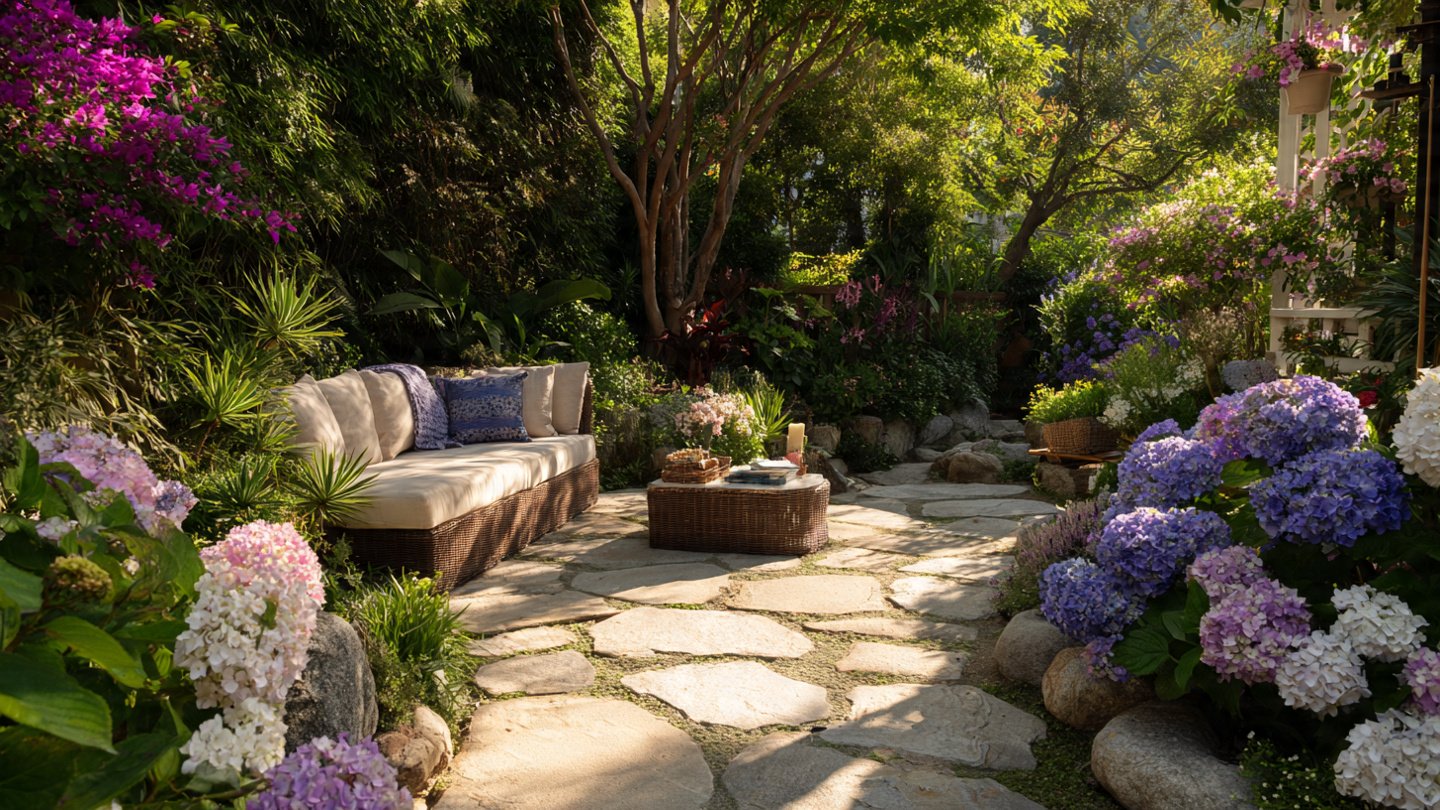
Top Flowers to Transform Your Backyard into a Low-Maintenance Oasis
Top Flowers to Transform Your Backyard into a Low-Maintenance Oasis
Creating a backyard oasis doesn’t have to be complicated or time-consuming. With the right selection of flowers, you can turn your outdoor space into a peaceful, colorful retreat that requires minimal upkeep. Choosing hardy, low-maintenance plants ensures a flourishing garden year-round, even for beginners or busy homeowners. This guide explores the best flowers for an easy backyard oasis, their growing requirements, and tips to maximize beauty with minimal effort.
Why Choose Low-Maintenance Flowers for Your Backyard
A backyard oasis should be relaxing, not stressful. Low-maintenance flowers offer several advantages:
- Minimal Watering Needs: Many resilient plants thrive with occasional watering, saving time and resources.
- Pest Resistance: Hardy varieties are less prone to diseases and insect infestations.
- Extended Bloom Periods: Flowers that bloom for long stretches provide consistent beauty without constant replanting.
- Ease of Care: These plants require little pruning or fertilization, making them ideal for beginner gardeners.
By selecting the right flowers, you can enjoy a beautiful backyard with minimal effort.
Top Low-Maintenance Flowers for Your Backyard Oasis
1. Lavender
- Why it’s ideal: Lavender is drought-tolerant, fragrant, and attracts pollinators like bees and butterflies.
- Growing tips: Plant in full sun with well-draining soil. Prune lightly after flowering to maintain shape.
- Aesthetic benefits: Its purple blooms and soothing scent create a calming atmosphere.
2. Coneflowers (Echinacea)
- Why it’s ideal: Coneflowers are hardy perennials that tolerate poor soil and heat.
- Growing tips: Plant in full sun and water moderately until established. Deadhead to encourage more blooms.
- Aesthetic benefits: Vibrant pink, purple, or white flowers add height and structure to your garden.
3. Black-eyed Susans
- Why it’s ideal: These resilient perennials thrive in sun, resist pests, and require little care.
- Growing tips: Plant in sunny areas; mulch to retain moisture and prevent weeds.
- Aesthetic benefits: Their bright yellow petals with dark centers create cheerful focal points.
4. Daylilies
- Why it’s ideal: Daylilies are almost maintenance-free and adapt to a wide range of climates.
- Growing tips: Plant in well-drained soil and provide occasional watering. Divide clumps every 3–4 years to maintain vigor.
- Aesthetic benefits: Their vibrant colors and graceful foliage add texture and interest.
5. Salvia
- Why it’s ideal: Salvia is drought-resistant, blooms profusely, and attracts hummingbirds.
- Growing tips: Plant in sunny locations; remove spent flowers to encourage continued blooming.
- Aesthetic benefits: Spiky blooms in shades of purple, red, and blue create vertical accents.
6. Sedum (Stonecrop)
- Why it’s ideal: Sedums are succulent perennials that thrive in dry, sunny spots and require minimal care.
- Growing tips: Plant in well-drained soil; they tolerate poor soil and drought.
- Aesthetic benefits: Their fleshy leaves and clusters of pink, red, or yellow flowers provide texture and long-lasting blooms.
7. Coreopsis
- Why it’s ideal: Coreopsis tolerates heat and poor soil while producing abundant, daisy-like flowers.
- Growing tips: Plant in full sun; remove spent flowers to extend bloom time.
- Aesthetic benefits: Their bright yellow, orange, or red flowers create a vibrant carpet of color.
8. Hydrangeas
- Why it’s ideal: Hydrangeas are hardy shrubs that provide large, showy blooms with minimal attention.
- Growing tips: Plant in areas with morning sun and afternoon shade; water regularly. Prune selectively to maintain shape.
- Aesthetic benefits: Large clusters of pink, blue, or white flowers create a dramatic, lush focal point.
9. Rudbeckia (Gloriosa Daisy)
- Why it’s ideal: Rudbeckias are long-blooming, heat-tolerant perennials with minimal care needs.
- Growing tips: Plant in full sun and well-drained soil; deadhead to encourage continuous flowering.
- Aesthetic benefits: Their golden-yellow blooms with dark centers bring warmth and vibrancy.
10. Gaillardia (Blanket Flower)
- Why it’s ideal: Gaillardias tolerate heat, drought, and poor soil, making them extremely low-maintenance.
- Growing tips: Plant in sunny spots with well-drained soil; deadhead to prolong flowering.
- Aesthetic benefits: Their fiery red, orange, and yellow blooms add energy and cheer to the garden.
Design Tips for Your Backyard Oasis
1. Layering Plants for Visual Appeal
Combine flowers of varying heights to create depth and dimension. Tall perennials like coneflowers or salvia can serve as a backdrop, while shorter plants like coreopsis or sedum fill in front.
2. Incorporating Color Themes
Choose a consistent color palette for a cohesive look, or mix complementary colors for a vibrant, eclectic feel. Repeating colors throughout the garden adds harmony.
3. Using Containers and Raised Beds
Low-maintenance flowers thrive in containers or raised beds, which simplify watering, improve drainage, and reduce weeding. This also makes the garden more accessible and visually organized.
4. Adding Pathways and Seating Areas
Include stepping stones, gravel paths, or small patios to guide visitors through your oasis. A bench or hammock surrounded by low-maintenance flowers enhances the relaxing atmosphere.
5. Attracting Pollinators
Planting flowers that attract bees, butterflies, and hummingbirds promotes biodiversity and supports flower health. Lavender, salvia, and coneflowers are particularly attractive to pollinators.
Watering and Fertilization for Easy Maintenance
Even low-maintenance flowers benefit from proper watering and occasional feeding:
- Watering: Use drip irrigation or soaker hoses to reduce effort and conserve water. Water in the morning to prevent fungal growth.
- Fertilization: Apply a slow-release, balanced fertilizer in early spring. Most low-maintenance perennials require minimal additional feeding.
- Mulching: Mulch around plants with organic materials to retain soil moisture, suppress weeds, and improve soil quality.
These simple steps minimize maintenance while maximizing plant health.
Seasonal Care for a Year-Round Oasis
To keep your backyard oasis thriving throughout the year:
- Spring: Plant new perennials, refresh mulch, and prune dead growth.
- Summer: Deadhead spent flowers, monitor for pests, and ensure consistent watering.
- Fall: Cut back perennials as needed, collect seeds for propagation, and protect tender plants from frost.
- Winter: Add mulch or protective covers to hardy plants; plan for new plantings in the coming season.
Even low-maintenance gardens benefit from seasonal attention to remain vibrant and healthy.
Benefits of a Low-Maintenance Backyard Oasis
Creating a backyard oasis with easy-care flowers offers multiple advantages:
- Stress Reduction: Spending time in a visually appealing, colorful garden reduces stress and improves mental well-being.
- Time Efficiency: Minimal upkeep allows you to enjoy your garden without dedicating hours each week to maintenance.
- Aesthetic Appeal: A thoughtfully designed flower garden enhances the look of your outdoor space and adds property value.
- Environmental Benefits: Perennials, native plants, and pollinator-friendly flowers support local ecosystems and promote sustainability.
A low-maintenance flower garden offers beauty, relaxation, and ecological value—all without requiring intensive labor.
Final Thoughts
Creating an easy backyard oasis is achievable with the right combination of low-maintenance flowers, thoughtful design, and simple care routines. Plants like lavender, coneflowers, black-eyed Susans, daylilies, salvia, and sedum provide continuous color, resilience, and ease of maintenance. By layering heights, selecting complementary colors, using containers, and planning for seasonal care, you can transform your backyard into a relaxing, vibrant retreat.
With minimal effort, your backyard can become a personal sanctuary where you enjoy the beauty of nature, attract pollinators, and create a space that is as practical as it is stunning. A low-maintenance flower garden is not just about aesthetics—it’s about cultivating a lifestyle of calm, convenience, and natural beauty right outside your door.
If you want, I can also create a companion version with a list of 20 specific flower varieties arranged by color, bloom season, and maintenance level, which would make designing your backyard oasis even easier. Do you want me to make that?