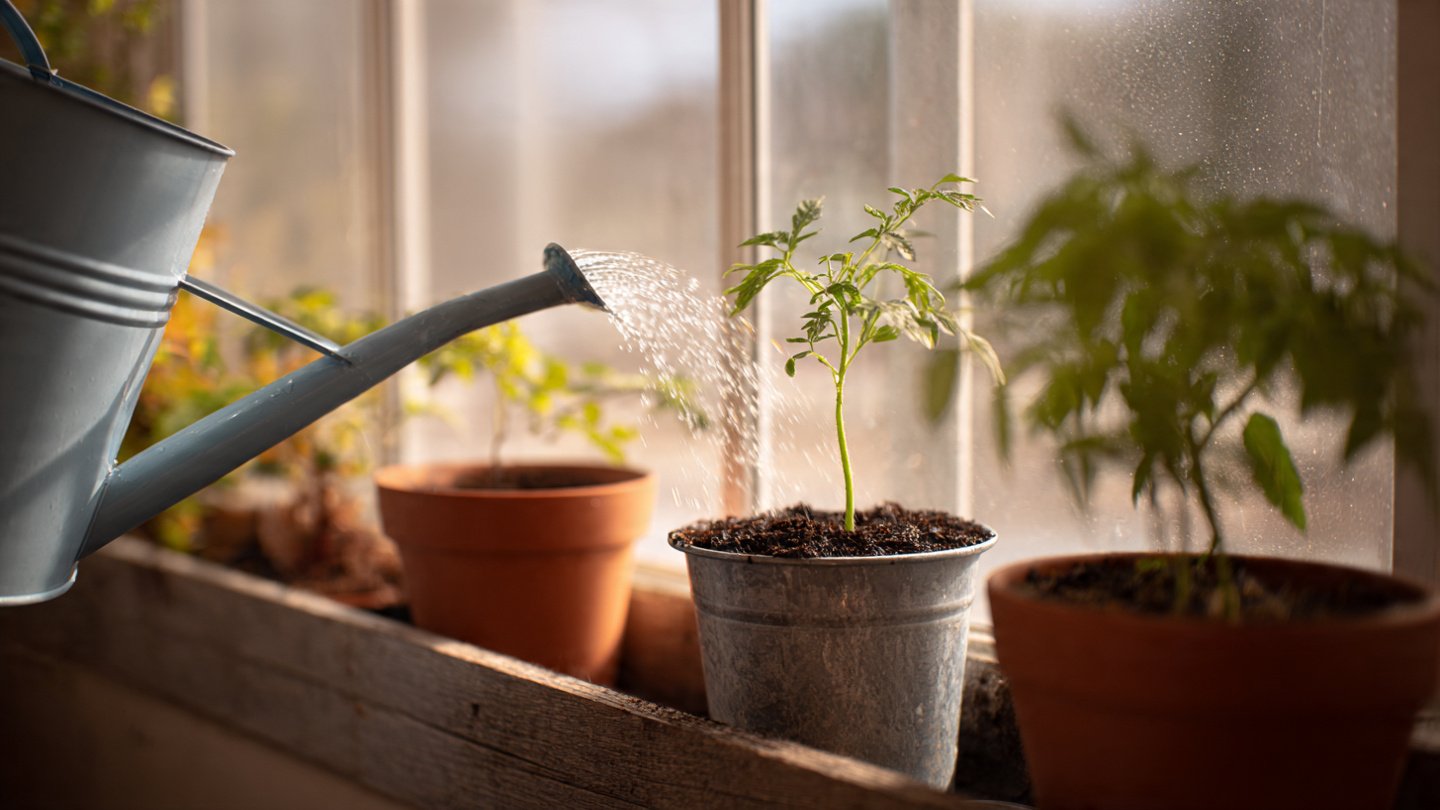
Gardening is all about nurturing plants with the right care and nutrients to help them thrive. While commercial fertilizers are effective, many gardeners are turning to natural, eco-friendly solutions to promote healthier plants. One surprisingly effective method is using the water left over from boiling eggs, once it has cooled. This simple kitchen hack provides plants with a natural source of calcium, a vital nutrient that strengthens their structure, supports growth, and improves overall health.
The Science Behind Egg Water
Eggs are a rich source of calcium, primarily found in their shells. When eggs are boiled, some calcium and other minerals leach into the water. Although the amount is modest, it is enough to make a positive difference, particularly for calcium-hungry plants. Calcium plays several key roles in plant health:
- Strengthening cell walls: Calcium is a critical component of cell walls, providing structural support that helps plants stand upright and resist stress.
- Promoting root development: Adequate calcium improves root structure, allowing plants to absorb water and nutrients more efficiently.
- Enhancing fruit and flower quality: Calcium contributes to better flower formation and reduces problems like blossom end rot in vegetables such as tomatoes and peppers.
By watering plants with cooled egg boiling water, gardeners can provide these benefits naturally, without relying on synthetic fertilizers.
How to Prepare Egg Water for Your Plants
Using egg water is simple and requires no special tools:
- Boil the eggs as usual: Place your eggs in a pot of water and bring to a boil. Once cooked, allow them to cool slightly.
- Cool the water: After boiling, let the water cool completely to room temperature. Hot water can damage plant roots if applied directly.
- Remove any eggshells: While eggshells are also rich in calcium, it’s best to remove them from the water before watering, unless you plan to crush and compost them separately.
- Apply to your plants: Use this cooled water to irrigate the base of your plants, ensuring the soil absorbs it directly. Avoid pouring water over leaves to reduce the risk of disease.
This practice can be repeated every time you boil eggs, creating a sustainable way to recycle kitchen water and enrich your garden simultaneously.
Which Plants Benefit the Most?
While most plants can benefit from the calcium in egg water, some particularly thrive with regular applications:
- Tomatoes: Calcium is critical for preventing blossom end rot, a common issue caused by calcium deficiency.
- Peppers: Both bell peppers and hot peppers develop stronger fruits and healthier plants with extra calcium.
- Leafy greens: Spinach, kale, and lettuce benefit from improved cell structure, resulting in crisper, more robust leaves.
- Root vegetables: Carrots, radishes, and beets develop stronger, well-formed roots with adequate calcium.
Even flowering plants, like roses and sunflowers, can enjoy stronger stems and more vibrant blooms when supplemented with calcium-rich water.
Other Benefits of Using Egg Water
Aside from calcium, water left over from boiling eggs may contain trace minerals such as magnesium and phosphorus. These nutrients can enhance soil fertility over time, contributing to overall plant health. Additionally, using egg water is an eco-friendly method of recycling, reducing water waste in the kitchen.
Best Practices for Using Egg Water
To maximize the benefits of this natural fertilizer, follow these best practices:
- Moderation is key: While calcium is beneficial, excessive application can lead to nutrient imbalances in the soil. Use egg water as a supplement rather than the primary source of nutrition.
- Combine with compost: For the best results, use egg water alongside compost or other organic fertilizers. This ensures plants receive a balanced mix of macro- and micronutrients.
- Avoid waterlogged soil: Apply egg water sparingly to prevent overwatering, which can harm roots and promote fungal diseases.
- Observe your plants: Monitor plants for signs of nutrient deficiencies or stress. Adjust watering practices accordingly.
Other Creative Ways to Use Eggshells in the Garden
While egg water provides immediate calcium, eggshells themselves can also be a valuable resource for your garden:
- Crushed eggshells: Dry and crush eggshells, then sprinkle around plants to deter pests like slugs and snails.
- Compost addition: Eggshells break down in compost, enriching it with calcium and other minerals.
- Seedling starter pots: Use halved eggshells as biodegradable pots for seedlings. Once ready, plant them directly in the soil.
Combining egg water with eggshells ensures your garden receives a double dose of calcium and other nutrients, all while minimizing waste.
Potential Considerations
Although egg water is generally safe for most plants, there are a few considerations to keep in mind:
- Salted water caution: If you boiled eggs with added salt, avoid using this water for plants, as excessive salt can harm roots.
- Temperature check: Always use cooled water to prevent root damage.
- Regular soil testing: Even natural fertilizers can alter soil pH over time. Regular testing helps maintain optimal conditions for plant growth.
By following these guidelines, gardeners can safely use egg water as an effective, natural supplement to enhance plant growth.
Conclusion
Watering plants with cooled water left over from boiling eggs is an easy, sustainable, and highly effective way to provide calcium to your garden. From strengthening cell walls and roots to improving fruit quality and preventing common deficiencies, the benefits are clear. This simple kitchen-to-garden practice not only recycles waste but also supports robust plant growth without relying on chemical fertilizers.
Whether you’re growing tomatoes, leafy greens, root vegetables, or flowering plants, incorporating egg water into your gardening routine can help you cultivate stronger, healthier, and more productive plants. By embracing this natural technique, you can enjoy the satisfaction of a thriving garden while practicing eco-friendly gardening.