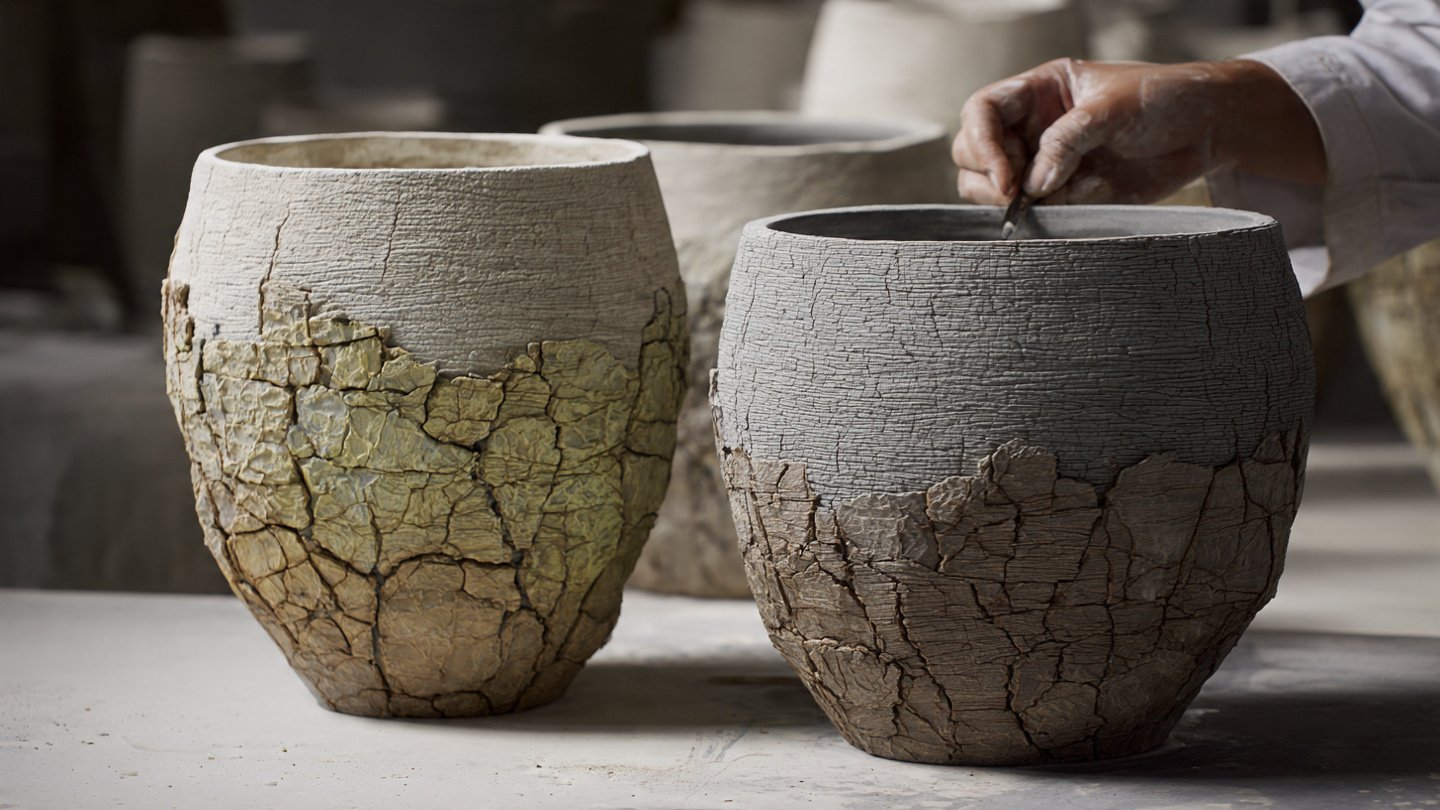
Gardeners and home decorators are increasingly turning ordinary, inexpensive plant pots into stylish, high-end pieces that elevate their outdoor or indoor spaces. The secret lies in creative techniques that turn cheap pots into luxurious stone-look planters without spending a fortune. With a few simple tools, materials, and a little imagination, you can give your planters a sophisticated, textured appearance that mimics natural stone or concrete. This guide explores the step-by-step methods to achieve a stone-like finish on any pot, making your garden or home décor truly stand out.
Why Transform Ordinary Pots?
Buying genuine stone or concrete planters can be expensive, heavy, and impractical for some spaces. Transforming simple pots offers several benefits:
- Cost-Effective: Low-cost pots can be upgraded without breaking the budget.
- Lightweight: Unlike real stone or concrete, these transformed pots remain easy to move and rearrange.
- Customization: You can choose any shape, size, or style and apply finishes that match your décor.
- Creative Satisfaction: Personalizing pots is a fun, hands-on project for both beginners and seasoned crafters.
By giving ordinary pots a stone-like appearance, you achieve the elegance of luxury planters while maintaining practicality and affordability.
Materials You’ll Need
Before starting, gather the necessary materials:
- Cheap plastic, terracotta, or ceramic pots
- Acrylic paints in gray, white, beige, and brown tones
- Sponges, brushes, or spray bottles
- Texturing materials such as sand, plaster, or concrete paint
- Sealer or clear varnish for durability
- Optional: masking tape, painter’s tape, or stencils for patterns
These materials are affordable, widely available, and allow flexibility in technique to create a realistic stone effect.
Preparing Your Pots
Proper preparation ensures the finish adheres well and lasts longer:
- Clean the Pot: Remove dirt, dust, and grease using soap and water. Let it dry completely.
- Smooth or Roughen the Surface: For plastic pots, lightly sand the surface to help paint stick. Terracotta or ceramic pots may need a quick rinse and drying.
- Apply Primer: A coat of acrylic primer helps paint adhere better, especially on plastic surfaces.
Preparation is key to achieving a professional-looking finish that resembles real stone.
Techniques to Achieve a Stone-Look Finish
Several methods can mimic stone or concrete textures. Here are the most effective:
1. Textured Paint Method
- Mix acrylic paint with a small amount of sand or plaster for a rough texture.
- Apply using a sponge or stiff brush in a stippling motion to create irregularities.
- Layer different shades of gray, beige, or white to mimic natural stone variations.
- Once dry, add highlights with a lighter color for depth.
This method works well for indoor and outdoor pots, giving a realistic, tactile stone appearance.
2. Dry Brush Technique
- Start with a dark base color (e.g., charcoal gray).
- Dip a dry brush in lighter shades and gently sweep across the surface.
- Avoid fully covering the base coat; let some of it show through.
- Repeat with multiple shades for a natural, weathered effect.
Dry brushing is perfect for creating subtle textures and color variations found in real stone.
3. Sponging Technique
- Use a natural sponge to dab multiple shades of paint onto the pot.
- Blend colors gradually for a mottled, stone-like effect.
- Add darker or lighter spots randomly to enhance realism.
Sponging produces a soft, organic texture similar to marble or limestone.
4. Concrete or Plaster Overlay
- Apply a thin layer of plaster or cement-based mixture over the pot.
- Texture it using a spatula, brush, or sponge while wet.
- Once dry, paint over or leave it natural for a more authentic stone feel.
This technique is ideal for heavier, outdoor planters that need durability and weather resistance.
Adding Finishing Touches
After achieving the stone look, apply finishing steps for durability and polish:
- Seal the Surface: Use a clear acrylic sealer or outdoor varnish to protect the paint from moisture, sun, and wear.
- Edge Detailing: Paint the rim a slightly darker or lighter shade to simulate natural stone edges.
- Optional Patina: Add a hint of moss green or brown wash for an aged, weathered look.
Sealing not only protects your design but also enhances the texture and color depth of your faux-stone pot.
Creative Ideas for Display
Once transformed, these pots can elevate any space:
- Garden Corners: Arrange several pots of different sizes together for a stylish focal point.
- Balcony or Patio: Pair with flowering plants or succulents for a luxurious display.
- Indoor Use: Stone-look pots complement modern or rustic interiors, making them perfect for houseplants.
- Vertical Arrangements: Stack small pots on shelves or plant stands for added dimension.
The versatility of faux-stone pots allows for endless design possibilities, both indoors and outdoors.
Tips for a Realistic Stone Appearance
- Use Multiple Colors: Stone is rarely uniform; blending shades creates authenticity.
- Layer Textures: Apply texture mediums, then paint in layers to mimic natural depth.
- Experiment on Small Pots: Test techniques on inexpensive pots before committing to larger pieces.
- Be Patient: Let each layer dry completely before adding the next to avoid smudging.
- Natural Imperfections: Slight imperfections or unevenness make the pot look more realistic.
Attention to detail ensures your DIY stone-look pots are convincing and visually striking.
Advantages of Faux-Stone Pots
Transforming cheap pots into stone-look planters has several benefits:
- Cost Savings: Achieve a high-end look at a fraction of the price.
- Lightweight: Easier to move and rearrange compared to real stone or concrete pots.
- Customization: Tailor the color, texture, and size to suit your décor or garden theme.
- Sustainable: Reuse and upcycle inexpensive pots, reducing waste.
- Creative Satisfaction: Hands-on project that allows expression and creativity.
With these advantages, DIY stone-look pots are an ideal solution for both budget-conscious and style-conscious gardeners.
Conclusion
Transforming cheap pots into luxurious stone-look planters is an accessible, creative, and cost-effective way to enhance your garden or indoor space. By using textured paint, dry brushing, sponging, or a plaster overlay, you can mimic the natural elegance of stone without the high cost or weight. Adding finishing touches such as sealing and subtle patinas makes the planters durable and realistic.
This simple upgrade allows you to create a cohesive, stylish look in your garden, balcony, or living space while making the most of inexpensive materials. With patience, creativity, and attention to detail, even ordinary pots can become show-stopping, stone-like planters that bring beauty, charm, and sophistication to any setting.