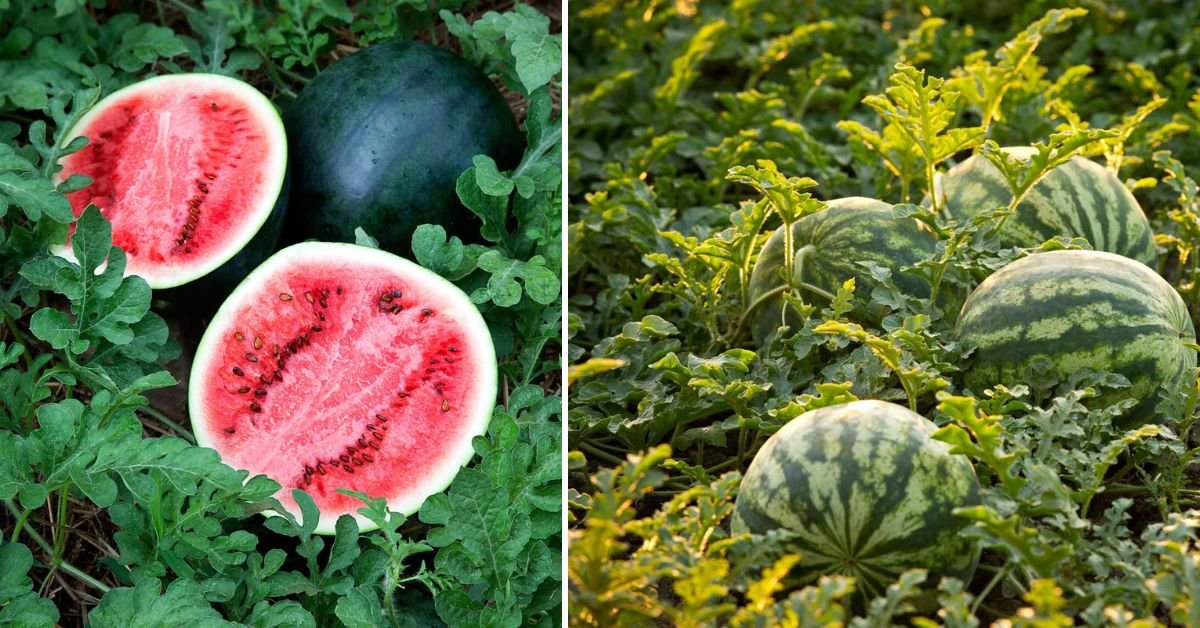
Few summer pleasures compare to slicing open a ripe watermelon and tasting its cool, sugary flesh on a hot day. While store-bought melons can be hit or miss, growing watermelons at home gives you full control over flavor, sweetness, and freshness. With the right techniques, even home gardeners with limited space can enjoy plump, juicy watermelons bursting with natural sweetness. This complete guide will take you step by step through everything you need to know—from seed to harvest—to grow truly delicious watermelons at home.
Why Grow Watermelons at Home?
Homegrown watermelons offer benefits that supermarket melons simply can’t match:
- Superior sweetness and flavor
- Harvested at peak ripeness
- No chemical residues
- Lower cost per fruit
- A satisfying gardening experience
When grown correctly, watermelons develop deeper flavor because they stay on the vine until fully ripe—something commercial growers often can’t afford to do.
Choosing the Right Watermelon Variety
Selecting the right variety is the first step toward success. Choose based on your space, climate, and growing season.
Popular options include:
- Sugar Baby – Compact vines, very sweet, ideal for small gardens
- Crimson Sweet – Classic large fruits with deep red flesh
- Charleston Gray – Excellent for hot climates
- Icebox varieties – Smaller fruits perfect for containers
Look for varieties labeled “sweet,” “high brix,” or “home garden friendly.”
Ideal Climate and Growing Conditions
Watermelons thrive in warm conditions and plenty of sunshine.
- Temperature range: 22–35°C
- Sunlight: At least 6–8 hours daily
- Frost-free growing period: 80–100 days
Cold soil or cool nights can stunt growth, so wait until temperatures are consistently warm before planting.
Preparing the Soil for Maximum Sweetness
Soil quality plays a major role in flavor.
Ideal soil characteristics:
- Loose and well-draining
- Rich in organic matter
- Slightly acidic to neutral (pH 6.0–6.8)
Before planting, mix in plenty of compost or well-rotted manure. Adding a bit of sand improves drainage, which watermelon roots love.
Planting Watermelon Seeds
Watermelons dislike root disturbance, so direct sowing is best.
How to plant:
- Sow seeds 1–1.5 cm deep
- Space plants 60–90 cm apart
- For small spaces, grow vertically with support
Water gently after planting and keep soil moist until germination, which usually occurs within 7–10 days.
Watering: The Secret to Juiciness
Watermelons need consistent moisture, especially during early growth and fruit development.
- Water deeply 2–3 times per week
- Avoid shallow, frequent watering
- Reduce watering slightly as fruits mature
Too much water near harvest can dilute sweetness, so easing back helps concentrate sugars.
Feeding for Flavor-Packed Fruits
Balanced nutrition leads to sweeter melons.
Feeding schedule:
- Early growth: Compost or balanced organic fertilizer
- Flowering stage: Phosphorus-rich feed
- Fruit development: Potassium-rich fertilizer
Avoid excessive nitrogen after flowering—it promotes leaves instead of fruit and reduces sweetness.
Pollination: A Crucial Step
Watermelons produce separate male and female flowers.
- Male flowers appear first
- Female flowers have a small fruit at the base
Bees are essential for pollination. If pollinator activity is low, hand-pollinate by transferring pollen from male to female flowers using a soft brush.
Managing Vines and Fruits
Healthy vines mean better fruit quality.
- Allow 2–3 fruits per plant for maximum sweetness
- Pinch off excess flowers once fruits set
- Train vines to prevent overcrowding
If growing vertically, support fruits with slings made from cloth or netting.
Preventing Common Problems
Pests
Aphids, cucumber beetles, and spider mites are common issues.
Solutions:
- Neem oil sprays
- Companion planting with marigolds
- Regular inspection
Diseases
Fungal diseases can affect leaves and fruit.
Prevention tips:
- Water at the base, not overhead
- Ensure good air circulation
- Remove infected leaves promptly
Healthy plants produce sweeter fruit.
Knowing When Watermelons Are Ready to Harvest
Harvest timing is critical for sweetness.
Signs of ripeness include:
- The underside turns creamy yellow
- Tendril near the fruit dries up
- The fruit sounds hollow when tapped
- Skin becomes dull rather than shiny
Harvesting too early is the most common reason for bland watermelons.
Harvesting and Handling
Use a sharp knife or pruning shears to cut the fruit from the vine, leaving a short stem attached. Handle gently to avoid bruising.
After harvest, allow the watermelon to rest in a cool, shaded place for a day—this helps flavors settle.
Tips for Extra-Sweet Watermelons
- Choose varieties bred for sweetness
- Limit fruits per vine
- Use potassium-rich feeds
- Reduce watering slightly before harvest
- Grow in full sun without shade
These small adjustments can dramatically improve flavor.
Growing Watermelons in Small Spaces
Even without a large garden, you can grow watermelons:
- Use large containers (at least 50–60 liters)
- Train vines vertically on strong trellises
- Choose compact or icebox varieties
With proper support, container-grown melons can be just as sweet.
Final Thoughts
Growing sweet, juicy watermelons at home is easier than many people think. With warm weather, healthy soil, consistent watering, and careful harvest timing, you can enjoy watermelons that are far superior to store-bought ones. The satisfaction of cutting into a melon you grew yourself—knowing it’s perfectly ripe—is unmatched.
Once you taste your first homegrown watermelon, you’ll understand why gardeners say nothing compares to totally juicy, vine-ripened fruit grown with care right at home.