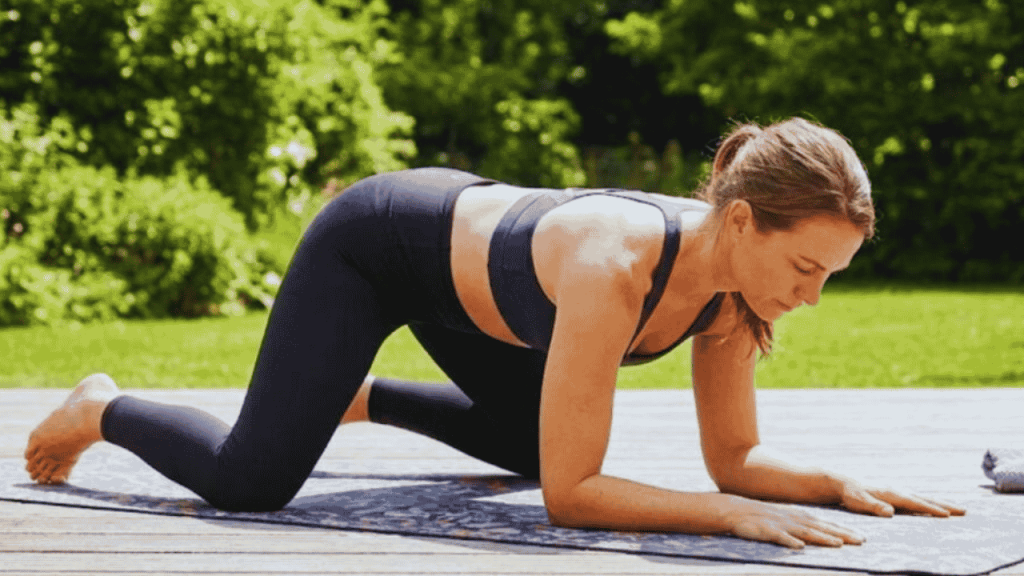
Hip stiffness is one of the most common physical complaints in modern life. Long hours of sitting, limited movement, repetitive exercise patterns, stress, and aging all contribute to tight hips and reduced mobility. Over time, stiff hips can affect posture, limit range of motion, and even lead to lower back or knee pain. Yoga offers a gentle yet powerful way to release tension, strengthen supporting muscles, and restore natural movement in the hips.
This guide explores ten effective yoga poses designed to ease hip stiffness and help you move more freely, comfortably, and confidently in everyday life.
Why Hip Mobility Matters
The hips are one of the body’s main movement hubs. They connect the upper and lower body and play a crucial role in walking, bending, sitting, and standing. When hips become tight, other parts of the body often compensate, increasing the risk of strain or injury.
Improving hip mobility through yoga can:
- Reduce lower back and knee pain
- Improve posture and balance
- Enhance athletic performance
- Support healthy aging and joint longevity
- Increase comfort in daily activities
Yoga works not just on flexibility, but also on strength and awareness—key elements for long-term mobility.
How Yoga Helps Relieve Hip Stiffness
Yoga addresses hip stiffness by combining slow stretching, controlled breathing, and mindful movement. Many poses target the hip flexors, glutes, inner thighs, and deep stabilizing muscles that are often neglected in daily life.
Consistency is more important than intensity. Gentle, regular practice encourages muscles to relax and joints to move through their full range without force.
1. Mountain Pose (Tadasana)
Though it looks simple, Mountain Pose builds the foundation for hip alignment. Standing tall with even weight on both feet helps retrain the hips to stack correctly under the spine.
Benefits:
- Improves posture
- Encourages balanced hip alignment
- Builds body awareness
Focus on engaging the thighs gently while allowing the hips to remain neutral and relaxed.
2. Low Lunge (Anjaneyasana)
Low Lunge is one of the best poses for releasing tight hip flexors, especially for people who sit for long periods.
Benefits:
- Stretches hip flexors and thighs
- Improves pelvic mobility
- Reduces lower back tension
Keep the chest lifted and avoid collapsing into the lower back.
3. Warrior II (Virabhadrasana II)
This strong standing pose builds stability while opening the hips and inner thighs.
Benefits:
- Strengthens hips and legs
- Improves lateral hip mobility
- Enhances balance and stamina
Sink gently into the pose without forcing the knees or hips.
4. Triangle Pose (Trikonasana)
Triangle Pose combines stretching and strengthening, encouraging length through the hips and spine.
Benefits:
- Opens outer hips and hamstrings
- Improves spinal alignment
- Encourages full-body coordination
Keep both legs active and avoid collapsing weight into the lower hand.
5. Garland Pose (Malasana)
This deep squat is a powerful hip opener that also supports ankle and lower back mobility.
Benefits:
- Deeply opens hips and groin
- Improves digestion and circulation
- Restores natural squatting ability
If heels lift, place a folded blanket underneath for support.
6. Pigeon Pose (Eka Pada Rajakapotasana)
Pigeon Pose targets the deep hip rotators and glutes, making it highly effective for stiffness caused by prolonged sitting or running.
Benefits:
- Releases deep hip tension
- Improves hip rotation
- Reduces lower back strain
Use props under the hips to maintain comfort and alignment.
7. Bound Angle Pose (Baddha Konasana)
This seated pose gently opens the inner thighs and hips while calming the nervous system.
Benefits:
- Improves groin flexibility
- Encourages gentle hip opening
- Promotes relaxation
Sit on a cushion if the knees feel too high off the ground.
8. Bridge Pose (Setu Bandhasana)
Bridge Pose strengthens the glutes and opens the front of the hips, helping counteract long hours of sitting.
Benefits:
- Strengthens hips and glutes
- Stretches hip flexors
- Supports spinal health
Engage the legs evenly to protect the lower back.
9. Supine Figure Four (Supta Kapotasana)
This reclining pose offers a controlled, accessible way to stretch the hips.
Benefits:
- Releases hip and glute tension
- Supports lower back comfort
- Easy to modify for all levels
Keep the spine neutral and avoid forcing the knee outward.
10. Happy Baby Pose (Ananda Balasana)
A playful yet effective pose, Happy Baby gently opens the hips while easing tension in the lower back.
Benefits:
- Encourages relaxed hip opening
- Improves joint mobility
- Reduces stress and fatigue
Rock gently side to side for a soothing massage effect.
Tips for Safe and Effective Practice
To get the most benefit from these poses:
- Warm up before deep hip stretches
- Breathe slowly and evenly
- Never force a position
- Use props like blocks, straps, or cushions
- Practice regularly, even for short sessions
If you feel sharp pain, back off immediately.
How Often Should You Practice?
For noticeable improvement, aim to practice hip-opening poses at least three to four times per week. Even 10–15 minutes per session can make a significant difference over time.
Consistency allows the muscles and connective tissues to adapt gradually, leading to lasting mobility gains.
Hip Mobility and Everyday Life
As hip stiffness decreases, many people notice:
- Easier walking and climbing stairs
- Improved sitting comfort
- Better posture
- Reduced aches in the back and knees
Yoga’s impact extends far beyond the mat, supporting smoother, more confident movement throughout daily life.
Conclusion
Hip stiffness doesn’t have to be an inevitable part of modern living. With mindful practice and the right yoga poses, you can restore natural mobility, improve comfort, and protect your joints for the long term.
These top 10 yoga poses offer a balanced approach—combining strength, flexibility, and awareness—to help your hips move the way they were designed to move. Practice patiently, listen to your body, and over time you’ll rediscover ease, freedom, and resilience in every step you take.